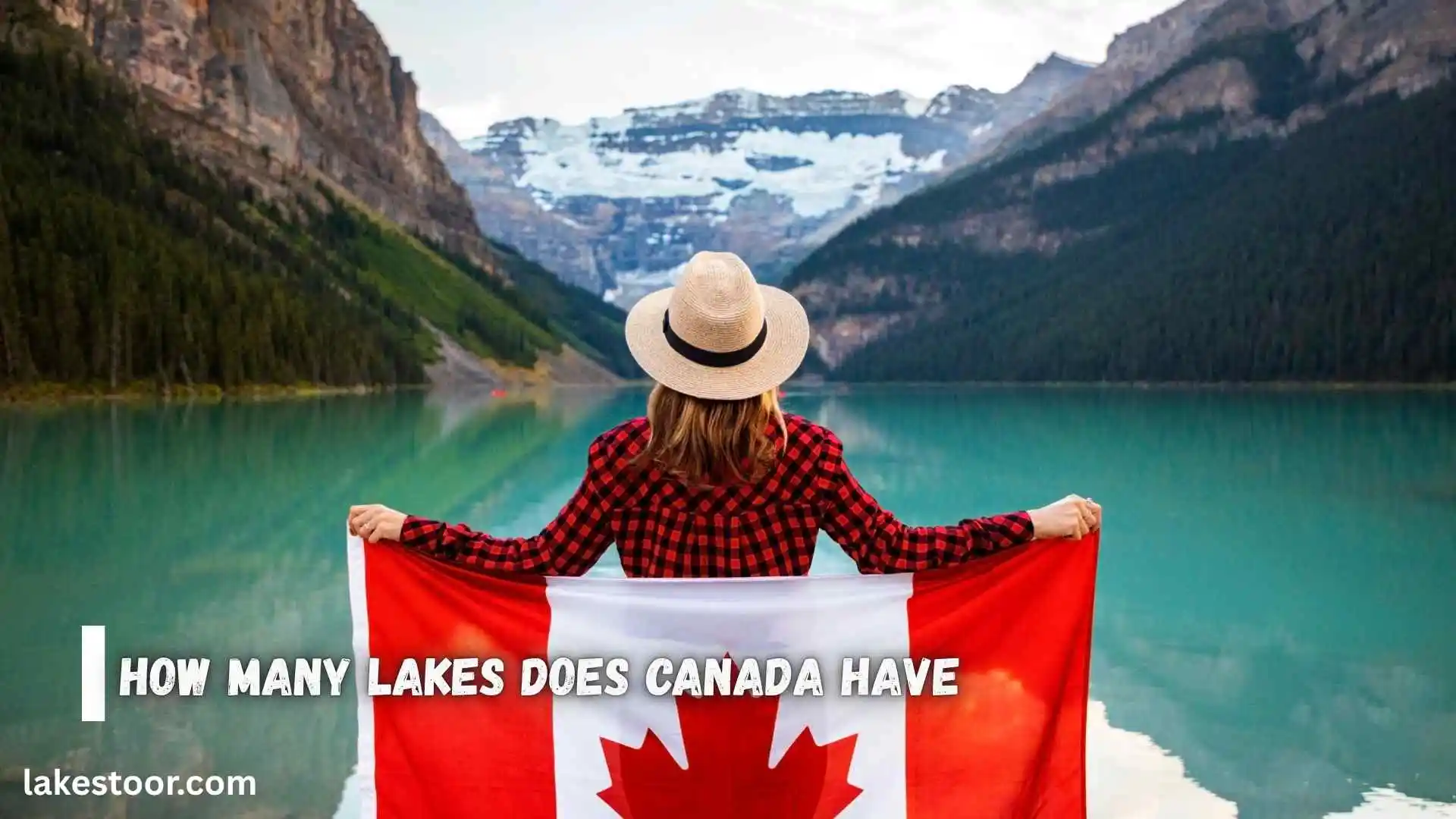
When I think about the sheer, breathtaking majesty of the Great White North, my mind always drifts to its countless sparkling waters. If you have ever dreamed of standing at the edge of a mirror-flat wilderness basin with the morning mist rising off the surface, you already know the profound peace that this landscape inspires.
I want you to imagine looking down from an airplane window and seeing a mosaic so dense with liquid sapphire that the earth itself seems made more of water than of stone. It is a staggering reality that captures the imagination and leaves you completely spellbound by the sheer scale of nature’s artistry.
Let me share the astonishing truth with you: Canada is home to over two million lakes, holding more fresh water than almost any other country on the planet. I find it incredible to realize that over sixty percent of all the natural lakes on Earth are cradled right here in this breathtaking northern expanse.
Quick Answer: Is how many lakes does Canada have Worth Visiting?
Canada is not a single lake destination but a lake-rich country with millions of freshwater bodies spread across its provinces and territories. Most estimates suggest Canada has around 2 million lakes, making it home to more lakes than any other country in the world.
For travelers, this is absolutely worth exploring because it offers unmatched outdoor experiences like kayaking, fishing, hiking, and scenic road trips. It is especially ideal for nature lovers, photographers, families, and adventure seekers.
Before planning a trip, visitors should check seasonal weather conditions, accessibility in remote areas, and local park regulations, since many lakes are located in protected or undeveloped regions.
how many lakes does Canada have Quick Facts
| Category | Details |
| Name | Canada Lakes (Nationwide) |
| Location | Canada (North America) |
| Address | Multiple provinces & territories |
| Region | Nationwide (Ontario, Quebec, British Columbia, etc.) |
| Type of place | Natural freshwater bodies |
| Main attractions | Scenic lakes, wildlife, outdoor recreation |
| Best for | Nature tourism, fishing, kayaking, photography |
| Known for | World’s largest number of lakes |
| Activities | Boating, camping, swimming, hiking, fishing |
| Dining options | Nearby towns, lakeside restaurants in tourist areas |
| Event/wedding options | Selected lakeside resorts & parks |
| Nearby cities | Toronto, Vancouver, Montreal, Calgary |
| Booking tip | Reserve parks & cabins early in peak summer season |
What Is how many lakes does Canada have?

When people ask how many lakes does Canada have, they are usually trying to understand both geography and travel potential. Canada is not just a country with lakes—it is a country shaped by them.
Scientifically, Canada is estimated to have about 2 million lakes larger than 0.1 square kilometers, though the exact number varies depending on how a “lake” is defined. Some smaller water bodies may not even be counted officially.
What makes Canada special is not just the number, but the quality and diversity of its lakes. You will find glacier-fed turquoise lakes in the Rocky Mountains, deep freshwater lakes in Ontario, and remote Arctic lakes in northern territories.
Where Is how many lakes does Canada have Located?
There is no single location because Canadian lakes are spread across the entire country.
- Ontario: Known for the Great Lakes region and thousands of inland lakes
- Quebec: Rich in freshwater lakes and forested landscapes
- British Columbia: Mountain lakes with turquoise glacier water
- Alberta: Famous for Banff and Jasper National Park lakes
- Manitoba & Saskatchewan: Prairie lakes and fishing destinations
- Northern Territories: Remote, untouched Arctic lakes
This wide distribution means you can experience completely different landscapes depending on where you go.
History and Background
Canada’s lakes were formed primarily during the last Ice Age, when massive glaciers carved out land and later melted, filling basins with freshwater. This geological process created thousands of interconnected lake systems.
Over time, Indigenous communities developed deep cultural and spiritual relationships with these waters, using them for transportation, fishing, and seasonal living.
Today, lakes remain a vital part of Canada’s identity, supporting tourism, hydroelectric power, and biodiversity.
Main Experience at how many lakes does Canada have

Visiting Canada’s lakes is less about a single destination and more about experiencing nature in different forms.
Scenic Views
Expect postcard-perfect landscapes with clear waters, pine forests, and mountain reflections.
Lake Activities
Popular activities include paddleboarding, canoeing, kayaking, and boating.
Fishing
Canada’s lakes are known for trout, bass, pike, and salmon fishing opportunities.
Swimming
Many lakes allow swimming in designated areas during summer months.
Hiking
Trails around lakes offer panoramic viewpoints and wildlife sightings.
Camping
Lakeside campsites are extremely popular in national and provincial parks.
Photography
Golden-hour reflections make Canadian lakes a favorite for photographers.
Family Activities
Picnicking, gentle trails, and safe swimming areas are common in developed parks.
Things to Do at how many lakes does Canada have
- Explore national parks like Banff and Jasper
- Go on a canoe trip in Ontario’s lake regions
- Take scenic road trips through British Columbia
- Try ice fishing in winter months
- Enjoy boating tours in popular tourist lakes
- Visit lakeside villages and small towns
- Camp under star-filled skies near remote lakes
- Watch wildlife such as moose, bears, and birds
- Experience fall foliage reflections on calm waters
- Try kayaking in glacier-fed lakes
Best Time to Visit how many lakes does Canada have
The best time depends on the experience you want:
- Summer (June–August): Ideal for boating, swimming, and camping
- Fall (September–October): Best for photography and fewer crowds
- Winter (December–February): Ice fishing, frozen lake views, snow activities
- Spring (March–May): Melting ice and quieter travel periods
Summer is the most popular but also the busiest season.
Is how many lakes does Canada have Good for Families?
Yes, Canada’s lakes are very family-friendly, especially in developed parks and tourist areas.
- Safe swimming zones in many lakes
- Picnic areas and restrooms available
- Easy walking trails for kids
- Boat rentals and guided tours
- Nearby accommodations in popular regions
Families should still check safety conditions, especially in remote or undeveloped areas.
Is how many lakes does Canada have Good for Couples?
Absolutely. Canadian lakes are often considered one of the most romantic natural settings in North America.
- Peaceful sunset views
- Private cabin stays
- Canoe rides for two
- Lakeside dining experiences
- Photography-friendly landscapes
It is also a popular setting for engagements and honeymoon trips.
Weddings and Events at how many lakes does Canada have
Many lakeside resorts and parks in Canada offer wedding and event spaces with natural backdrops.
Wedding Planning Questions to Ask
- What ceremony locations are available?
- What is the rain backup plan?
- What is the guest capacity?
- Are food and beverage packages available?
- Are bar packages available?
- Are outside vendors allowed?
- Is parking available?
- Are tables, chairs, linens included?
- Are there service charges or taxes?
- What is the cancellation policy?
- Are there photo restrictions?
Dining and Food Options
Dining near Canadian lakes varies widely depending on location. Some popular tourist areas offer lakeside restaurants, while remote regions may only have small local eateries or require self-prepared meals.
Visitors should always check current menus, opening hours, and availability in advance, especially during off-season travel.
How Much Does how many lakes does Canada have Cost?
Visiting Canadian lakes is generally flexible in cost depending on your travel style.
Key cost factors include:
- National park entry fees (where applicable)
- Parking fees in popular areas
- Boat rentals and guided tours
- Accommodation (cabins, hotels, campsites)
- Dining in nearby towns
- Seasonal pricing differences
- Wedding or private event packages
Always confirm updated pricing from official park or venue websites.
Review Summary: What Visitors Commonly Like
Travelers consistently appreciate:
- Stunning natural scenery
- Clean and peaceful environments
- Wide variety of outdoor activities
- Well-maintained national parks
- Photography opportunities
- Friendly local communities in tourist areas
Possible Concerns to Check Before Visiting or Booking
- Weather changes in remote regions
- Seasonal crowding in popular lakes
- Limited parking in peak summer
- Wildlife safety precautions
- Seasonal road closures
- Variable internet and mobile coverage
- Booking requirements for campsites
Who Should Visit how many lakes does Canada have?
- Families
- Couples
- Outdoor enthusiasts
- Photographers
- International tourists
- Campers and hikers
- Fishing lovers
- Event planners
- Adventure travelers
Who May Not Find It Ideal?
- Travelers looking for luxury-only urban experiences
- People uncomfortable with outdoor environments
- Visitors who prefer structured city attractions
- Those unprepared for weather variability
Pros and Cons of how many lakes does Canada have
Pros
- Massive variety of natural lakes
- Scenic landscapes year-round
- Great outdoor recreation options
- Family and couple-friendly destinations
- Strong tourism infrastructure in major parks
Cons
- Some areas are very remote
- Weather can change quickly
- Peak season crowds in popular spots
- Limited services in wilderness regions
Tips Before Visiting how many lakes does Canada have
For First-Time Visitors
Plan ahead, especially for national parks and accommodations.
For Families
Stick to well-developed lakes with lifeguards and facilities.
For Couples
Choose quieter lakes or cabin stays for privacy.
For Event Planners
Book early and confirm weather backup plans.
For Outdoor Visitors
Carry safety gear, maps, and weather-appropriate clothing.
Nearby Alternatives to Compare
When exploring Canadian lakes, compare:
- Accessibility
- Scenic quality
- Accommodation options
- Activity availability
- Seasonal weather conditions
- Crowd levels
- Distance from major cities
how many lakes does Canada have vs Other Local Options

Compared to other countries, Canada stands out due to its unmatched volume of freshwater lakes. While the United States also has many lakes, Canada’s lake density and untouched wilderness areas make it more nature-focused and less urbanized.
Suggested Internal Links for Your Website
- Best lakes in Canada for summer travel
- Top family-friendly lakes in Ontario
- Best wedding venues near Canadian lakes
- Camping spots in British Columbia
- Fishing lakes in Canada guide
- Banff National Park travel guide
- Lake Tahoe vs Canadian lakes comparison
- Best outdoor adventures in Canada
- Romantic lake cabins in Canada
Frequently Asked Questions About how many lakes does Canada have
1. How many lakes does Canada have exactly?
Canada is estimated to have around 2 million lakes, depending on classification.
2. Why does Canada have so many lakes?
Glacial activity during the Ice Age created natural basins that filled with water.
3. What is the largest lake in Canada?
Great Bear Lake and Great Slave Lake are among the largest.
4. Are Canadian lakes safe for swimming?
Many are safe in designated areas, but conditions vary by location.
5. Can you fish in Canadian lakes?
Yes, fishing is popular, but permits may be required.
6. What is the best time to visit Canadian lakes?
Summer is best for outdoor activities, while fall is best for scenery.
7. Are there free lakes to visit in Canada?
Yes, many lakes are in public parks with free access, though parking fees may apply.
8. Can you camp near lakes in Canada?
Yes, many provincial and national parks offer lakeside camping.
9. Are Canadian lakes crowded?
Popular lakes can be crowded in summer, but remote lakes remain quiet.
10. Do Canadian lakes freeze in winter?
Yes, many lakes freeze and support winter activities.
Final Thoughts
Understanding how many lakes does Canada have is more than just learning a number—it reveals the natural richness of one of the most lake-dense countries in the world. With millions of freshwater bodies, Canada offers unmatched opportunities for travel, relaxation, and outdoor adventure.
Whether you are planning a family trip, romantic getaway, or photography journey, Canadian lakes provide something for everyone. Just remember to check weather conditions, park regulations, and local guidelines before traveling to ensure a safe and enjoyable experience.

Hi, I’m Henry Ashford, a writer with a lifelong interest in lakes, landscapes, and the natural environment. I love exploring how lakes influence wildlife, local communities, tourism, and history. My goal is to create informative content that encourages readers to appreciate and protect freshwater environments.
Every article I write is based on careful research and presented in a straightforward, engaging style that makes learning enjoyable.
Books I’ve Written:
- Discovering the World’s Great Lakes
- Freshwater Landscapes: Stories from Around the Globe
 Charlotte Pembroke
 Oliver Whitmore