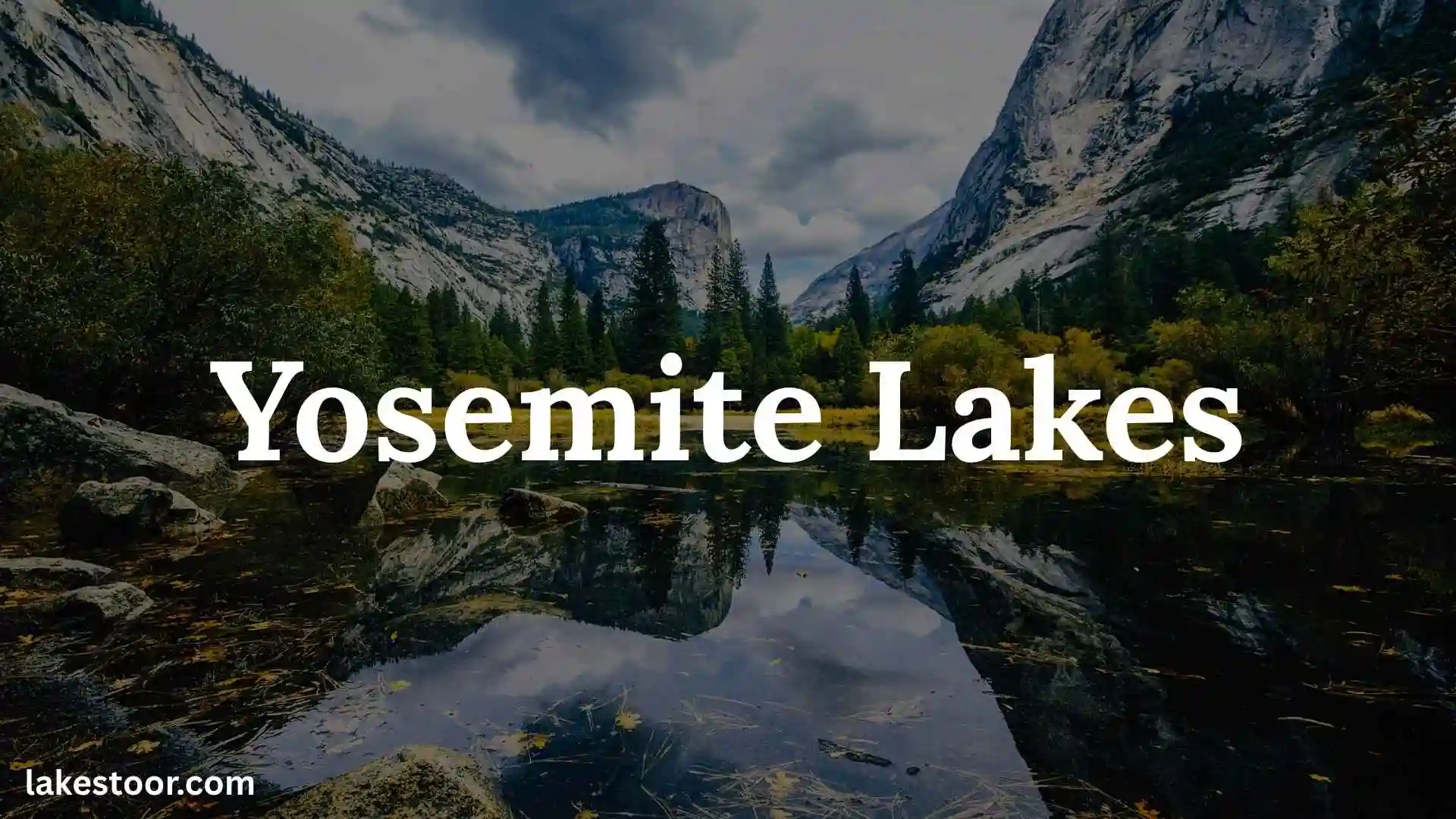
Yosemite Lakes is a popular search term for travelers looking to explore California’s scenic Sierra Nevada foothills, enjoy outdoor recreation, or find a campground near Yosemite National Park. From peaceful lake settings and forested landscapes to hiking, fishing, and family camping, the surrounding region offers plenty of opportunities for a memorable getaway.
However, Yosemite Lakes can refer to different destinations, and knowing which one you want to visit is essential for planning your trip. Yosemite Lakes Park is a private residential community near Coarsegold, California, while Thousand Trails Yosemite Lakes is a campground and RV resort near Groveland. Both are associated with the broader Yosemite region, but their locations, facilities, and visitor experiences differ.
This guide explains the differences, explores nearby outdoor attractions, compares accommodation options, and shares practical tips to help you plan your Yosemite Lakes adventure.
What Is Yosemite Lakes in California?
Yosemite Lakes is not simply one public lake or a single tourist attraction. The name is associated with multiple places in California, each offering a different experience.
Yosemite Lakes Park Near Coarsegold
Yosemite Lakes Park is a residential community in Madera County, near Coarsegold in the Sierra Nevada foothills. The community covers a broad area of rolling terrain, oak and pine trees, rocky landscapes, and mountain views.
Its amenities include recreational lakes, walking and horseback-riding trails, a golf course, a swimming pool, tennis courts, picnic areas, and equestrian facilities. However, these amenities are primarily intended for residents and their guests. Visitors should confirm access permissions before planning to use them.
This destination may interest people researching the Yosemite Lakes community, residential properties, local amenities, or the general landscape around Coarsegold.
Thousand Trails Yosemite Lakes Near Groveland
Thousand Trails Yosemite Lakes is a campground and RV resort located near Groveland, California, along Hardin Flat Road. It caters to travelers who want an outdoor base for exploring Yosemite National Park and the surrounding forested region.
The property offers camping and RV accommodation, with facilities and activities that vary according to the season and reservation arrangements. Its setting makes it an option for families, road-trippers, and visitors who enjoy spending time outdoors.
If your primary goal is camping near Yosemite, this destination is likely the more relevant choice. Check accommodation details, current amenities, reservation requirements, and park access conditions before booking.
Yosemite Lakes Park vs. Thousand Trails Yosemite Lakes
Choosing the right destination can save you time and prevent confusion when making travel arrangements.
| Feature | Yosemite Lakes Park | Thousand Trails Yosemite Lakes |
| Location | Near Coarsegold, California | Near Groveland, California |
| Main purpose | Residential community | Campground and RV resort |
| Accommodation | Residential properties | Camping, RV sites, and selected lodging options |
| Recreation | Community amenities and trails | Camping and outdoor recreation |
| Public access | Many amenities are restricted to residents and guests | Access is subject to resort policies and reservations |
| Best suited for | Community information and residential interests | Campers and Yosemite-area travelers |
Both destinations offer access to the broader Sierra Nevada region, but they are not interchangeable. Before entering an address into your navigation app, confirm the full destination name and location.
Best Things to Do Around Yosemite Lakes
The best activities depend on where you’re staying and how far you’re willing to travel. Visitors can combine campground relaxation with day trips to Yosemite National Park, public lakes, scenic viewpoints, and forest trails.
1. Explore Yosemite National Park
Yosemite National Park is the major attraction for many travelers staying near Groveland or other gateway communities. The park is known for its granite cliffs, dramatic waterfalls, giant sequoias, meadows, and spectacular mountain scenery.
Yosemite Valley is a great starting point for first-time visitors. Famous sights include El Capitan, Half Dome, Yosemite Falls, and the Merced River. You can enjoy scenic viewpoints, explore walking trails, photograph the landscape, or spend time learning about the park’s natural history.
Spring is particularly attractive for waterfall viewing, although water levels depend on weather and snowmelt. Summer provides more opportunities for hiking and exploring higher elevations when roads and trails are open.
Keep in mind that staying at a campground outside the national park does not automatically provide park entry privileges. Check current entrance requirements, fees, road conditions, and seasonal restrictions before your trip.
2. Visit Bass Lake for Lakeside Recreation
Bass Lake, located in the Sierra Nevada foothills near Oakhurst, is a popular destination for visitors who want to enjoy time near the water.
Depending on the season and local regulations, activities can include boating, fishing, swimming in designated areas, picnicking, and relaxing along the shoreline. The surrounding forested landscape also offers opportunities for photography and scenic drives.
Bass Lake is a separate destination from both Yosemite Lakes Park and Thousand Trails Yosemite Lakes. Plan your route accordingly and confirm public access, parking availability, water conditions, and any boating restrictions before visiting.
For families and groups, a lakeside outing can provide a welcome break from a busy schedule of sightseeing and hiking.
3. Enjoy Hiking and Nature Walks
The Sierra Nevada foothills contain a variety of trails, from short nature walks to challenging mountain routes.
When choosing a hike, consider the distance, elevation gain, expected weather, and your experience level. Bring enough water, suitable footwear, sun protection, and a reliable navigation tool.
If you’re staying at Yosemite Lakes Park, remember that its official recreation rules restrict community trails to residents and their guests. Travelers looking for public trails should identify designated hiking areas on public land or within Yosemite National Park.
For a more relaxed experience, choose a shorter trail with scenic surroundings. Experienced hikers can explore more demanding routes after checking trail conditions and seasonal access.
4. Try Fishing in the Yosemite Region
Fishing is another reason visitors explore the lakes and rivers around the Sierra Nevada. Bass Lake and other regional waters may offer opportunities to fish for different species, depending on the location and season.
Before fishing, check California’s current fishing regulations, license requirements, species limits, and local restrictions. Rules can vary between lakes, rivers, and other waterways.
If you’re traveling with children, choose a suitable fishing location with safe access to the water. Keep a close eye on younger visitors and avoid steep, slippery, or unstable shorelines.
5. Discover Scenic Drives and Photography Spots
You don’t need to complete a difficult hike to appreciate the beauty of the Yosemite region. Scenic drives, roadside viewpoints, forest landscapes, and accessible picnic areas can provide plenty of opportunities to enjoy the outdoors.
The foothills feature oak woodlands, rolling terrain, granite formations, and seasonal changes in vegetation. Inside Yosemite National Park, towering rock formations and waterfalls create some of California’s most recognizable landscapes.
Early morning and late afternoon can provide attractive lighting for photography. Always use designated parking areas, respect private property, and avoid stopping in unsafe locations to take pictures.
Camping at Yosemite Lakes
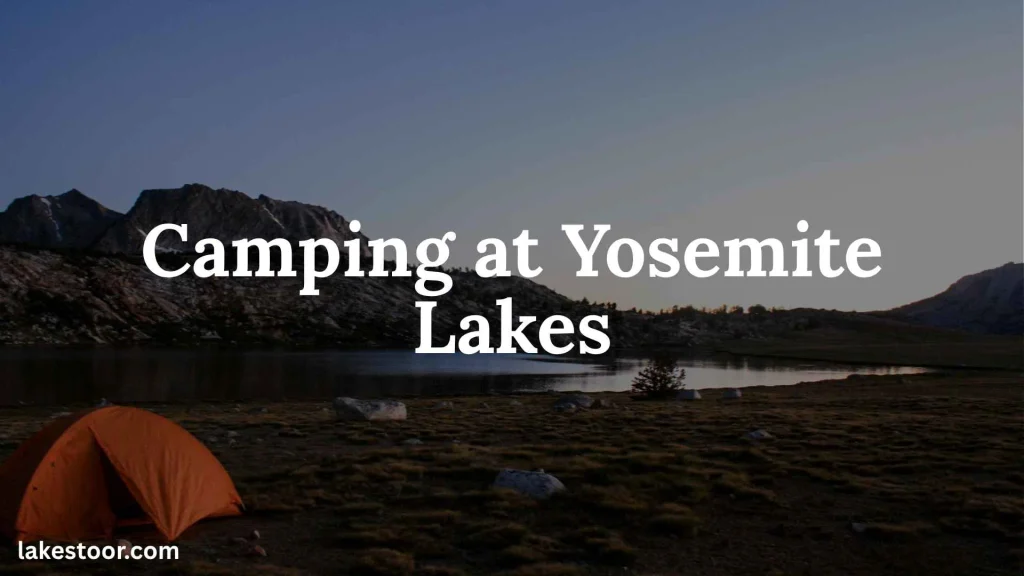
Camping is one of the most practical ways to experience the region, particularly if you plan to spend several days exploring Yosemite National Park and nearby attractions.
What to Expect at Thousand Trails Yosemite Lakes
Thousand Trails Yosemite Lakes provides an outdoor accommodation option for visitors traveling with tents, recreational vehicles, or those seeking selected rental accommodations.
Before making a reservation, check which accommodation types are available for your dates. Review the property’s current policies, amenities, check-in times, fees, and any membership or booking requirements that may apply.
Consider these questions before choosing your campsite:
- Does the site accommodate your tent or RV?
- Are electrical, water, and sewer hookups available for your chosen site?
- Are restrooms, showers, laundry, and other facilities available?
- What are the rules for pets, campfires, and quiet hours?
- How long will it take to reach the park entrance and your planned attractions?
- What is the cancellation policy?
Amenities can differ by accommodation type and change over time, so confirm the details instead of relying on outdated descriptions.
Camping Inside or Outside Yosemite National Park
Camping inside Yosemite National Park can reduce daily driving to popular attractions, but campground availability may be limited during busy seasons.
Staying outside the park can provide more accommodation choices and a quieter base, depending on the location. However, you’ll need to account for driving time, traffic, entrance procedures, and potential seasonal road closures.
Reserve your campsite early whenever possible, particularly for summer weekends and holidays. Remember that an external campground reservation does not replace any park entrance requirements that may apply to your visit.
Best Time to Visit Yosemite Lakes
The best time to visit depends on your activities, accommodation plans, and tolerance for changing weather.
Spring: March Through May
Spring can bring green foothills, blooming wildflowers, and powerful waterfalls throughout Yosemite National Park. Temperatures vary, and snow may remain at higher elevations.
This season suits visitors interested in photography, scenic drives, and waterfall viewing. However, some roads and trails may remain closed, so check conditions before traveling.
Summer: June Through August
Summer is popular for camping, hiking, fishing, and visiting nearby lakes. Longer daylight hours provide more time for outdoor activities, but popular destinations can become crowded.
Reserve accommodation early, carry drinking water, and use sun protection. Check for wildfire information, fire restrictions, and any temporary closures before leaving your campsite.
Fall: September Through November
Fall offers cooler mornings, comfortable daytime conditions, and seasonal colors in parts of the region. It can be a good time for scenic drives and outdoor photography.
Weather may change quickly, especially at higher elevations. Pack layers and confirm road and trail access before your trip.
Winter: December Through February
Winter can bring cold temperatures, snow, and icy conditions at higher elevations. Some roads, trails, campgrounds, and facilities may close seasonally.
If you’re visiting during winter, check forecasts, carry appropriate clothing, and confirm road conditions before driving. Allow additional time for travel and avoid routes that are unsafe for your vehicle or experience level.
A Simple One-Day Yosemite Lakes Itinerary
If you have just one day, choose a manageable plan instead of trying to visit every attraction in the region.
Morning: Start with your main destination. If you’re staying near Groveland, begin early and head toward Yosemite National Park, provided road and entrance conditions allow. Choose a few priority sights rather than rushing between distant locations.
Late morning: Explore scenic viewpoints. Spend time enjoying the landscape, taking photographs, and walking a suitable trail. Allow extra time for parking and crowded areas.
Afternoon: Enjoy a relaxed outdoor activity. Depending on your location, you could take a nature walk, have a picnic at an authorized area, or return to your campground for some downtime.
Evening: Return before conditions become difficult. Check your route and expected travel time, especially if you are driving through unfamiliar mountain roads.
If your main interest is Bass Lake, consider a separate foothills-focused day rather than combining it with a full Yosemite Valley visit. Travel times can be longer than expected, and a more focused itinerary is usually more enjoyable.
Practical Travel Tips for Yosemite Lakes
A little preparation can help you avoid confusion and make better use of your time.
Confirm your destination. Double-check whether your reservation is for Yosemite Lakes Park near Coarsegold or Thousand Trails Yosemite Lakes near Groveland.
Check access rules. Community lakes, trails, and recreation facilities may be private or restricted to residents and guests. Do not assume that every location with “Yosemite Lakes” in its name is open to the public.
Review road conditions. Mountain roads can be affected by snow, ice, traffic, construction, and seasonal closures. Check current conditions before setting out.
Book accommodation ahead of time. Popular campgrounds and lodging options can fill quickly, particularly during summer.
Prepare for outdoor conditions. Bring water, sunscreen, comfortable footwear, suitable clothing, and any necessary camping equipment.
Protect the environment. Dispose of waste properly, follow fire restrictions, stay on designated trails, and keep a safe distance from wildlife.
Plan realistically. Yosemite National Park is large, and nearby attractions may require substantial driving. Choose activities based on your available time and starting location.
Frequently Asked Questions About Yosemite Lakes
Is Yosemite Lakes a natural lake?
The name can refer to different destinations. Yosemite Lakes Park near Coarsegold is a residential community with several alternative lakes, while Thousand Trails Yosemite Lakes is a campground and RV resort. Neither name refers to a single major natural lake inside Yosemite National Park.
Where is Yosemite Lakes located?
Yosemite Lakes Park is near Coarsegold in Madera County, California. Thousand Trails Yosemite Lakes is near Groveland in Tuolumne County. Confirm which destination you need before planning your route.
Can the public visit Yosemite Lakes Park?
Yosemite Lakes Park is a private residential community. Its trails are designated for residents and their guests, and access to recreational amenities may be restricted. Contact the community to confirm the rules for any planned visit.
Is Thousand Trails Yosemite Lakes suitable for camping?
It can be an option for travelers who want a campground or RV resort near Yosemite National Park. Check current site availability, accommodation types, facilities, and reservation policies before booking.
What lakes can I visit near Yosemite?
Bass Lake is a well-known option in the Sierra Nevada foothills. Other lakes and reservoirs in the wider region may also offer outdoor recreation, but access and permitted activities vary. Confirm the exact location and current regulations before visiting.
How many days should I spend in the Yosemite Lakes area?
One day may be enough for a focused outing, while two or three days can provide more time for sightseeing, camping, hiking, and visiting nearby lakes. If you want to explore multiple areas of Yosemite National Park, consider allowing additional time.
Do I need a reservation to visit Yosemite National Park?
Park entry requirements can change by season and year. Check the latest official National Park Service guidance before traveling. You should also reserve camping and lodging separately when required.
What should I pack for Yosemite Lakes?
Bring comfortable shoes, layered clothing, drinking water, sun protection, and navigation tools. Campers should also bring suitable sleeping equipment and cooking supplies, while winter visitors may need additional cold-weather gear and vehicle traction equipment.
Final Thoughts
Yosemite Lakes offers several ways to experience California’s Sierra Nevada foothills, from camping near Yosemite National Park to exploring the scenery around Coarsegold and nearby lakes. The key is choosing the right destination for your interests.
Thousand Trails Yosemite Lakes is worth considering if you’re looking for a campground or RV resort, while Yosemite Lakes Park is primarily a residential community with recreational amenities subject to access restrictions. Nearby public destinations such as Bass Lake offer additional opportunities for fishing, boating, picnicking, and relaxing outdoors.
Plan your activities around the season, confirm access rules, and check current weather and road conditions before leaving. With realistic travel plans and the right preparation, you can enjoy the Yosemite region’s forests, mountain scenery, and outdoor adventures.

I’m Charlotte Pembroke, and my passion for lakes began through travelling across the United Kingdom’s national parks. I enjoy learning about freshwater ecosystems, famous lakes, conservation, and the unique stories behind these incredible places.
I write to make geography and nature enjoyable for everyone, combining reliable research with clear explanations that readers of all ages can understand.
Books I’ve Written:
- Lakes of Britain: A Natural Journey
- Waters That Shaped History
 Oliver Whitmore