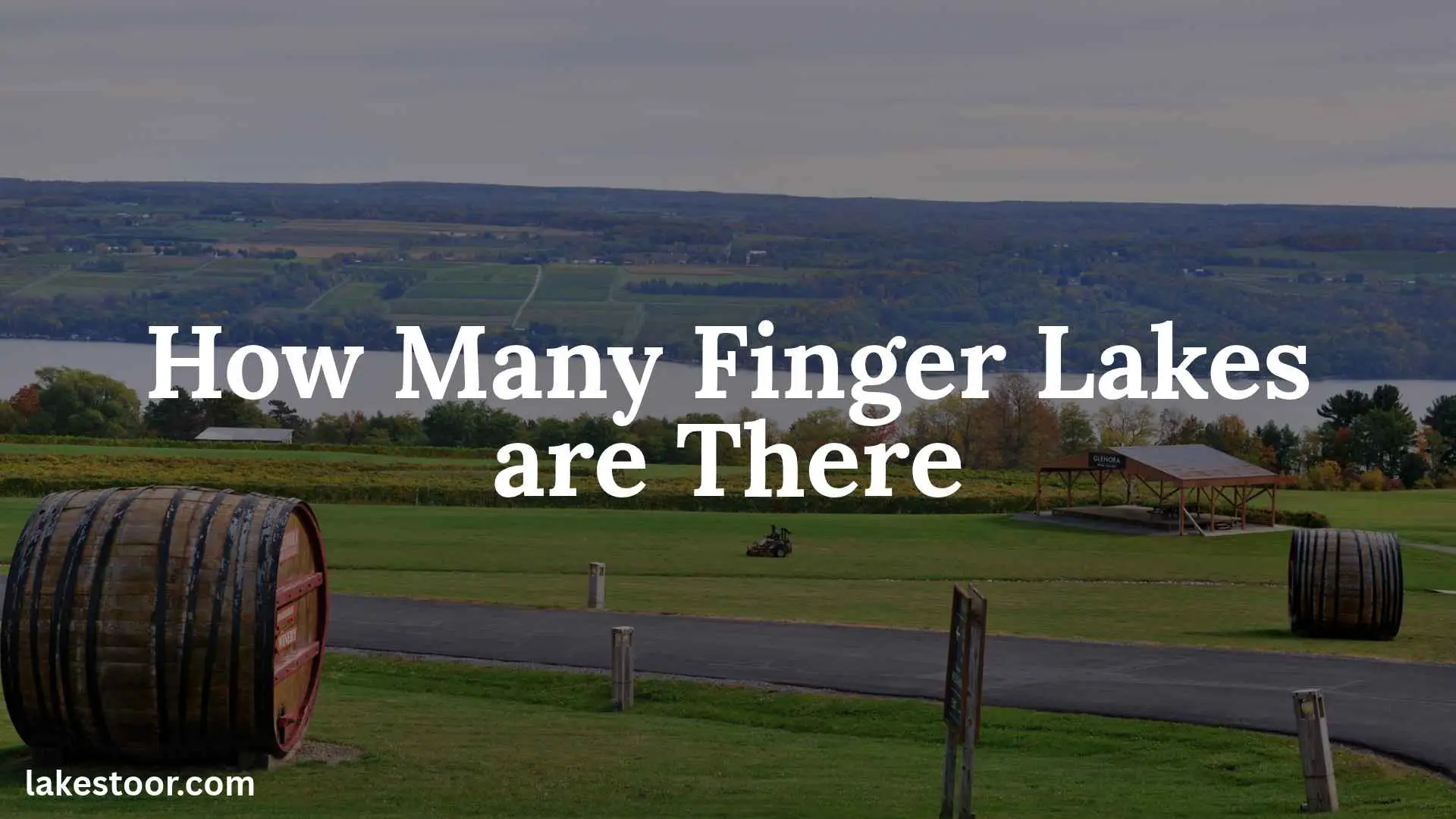
There are 11 Finger Lakes in New York State, located in the central and western parts of the state. These long, narrow lakes sit in a region known for its beautiful scenery, rolling hills, wineries, charming towns, and outdoor recreation. Their unusual shapes resemble fingers stretching across the landscape, which is how they received their name.
The Finger Lakes are among New York’s most recognizable natural features. They attract visitors throughout the year for boating, fishing, swimming, kayaking, hiking, and wine tasting. Each lake has its own character, from the deep waters of Seneca Lake to the scenic shores of Skaneateles Lake.
If you’re wondering how many Finger Lakes there are, what they’re called, or where they’re located, this guide covers all 11 lakes, their distinctive features, and the geography behind their formation.
How Many Finger Lakes Are There in New York?
New York has 11 major Finger Lakes. They are located in a region south of Lake Ontario, extending across several counties in the central and western portions of the state.
Here are the names of all 11 Finger Lakes:
- Conesus Lake
- Hemlock Lake
- Canadice Lake
- Honeoye Lake
- Canandaigua Lake
- Keuka Lake
- Seneca Lake
- Cayuga Lake
- Owasco Lake
- Skaneateles Lake
- Otisco Lake
These lakes formed thousands of years ago through glacial activity. As massive glaciers moved across the region during the last Ice Age, they carved deep valleys into the landscape. When the glaciers retreated, water filled these valleys and created the lakes we see today.
Although people commonly refer to all 11 as the Finger Lakes, they differ considerably in size, depth, water quality, surrounding communities, and recreational opportunities.
It’s also worth noting that the wider Finger Lakes region contains other lakes and smaller bodies of water. However, the traditional Finger Lakes group consists of these 11 named lakes.
What Are the 11 Finger Lakes Called?
Each Finger Lake has a distinctive shape, location, and surrounding landscape. Some are popular vacation destinations, while others provide important drinking water and protected natural habitats.
Here’s a closer look at all 11 Finger Lakes, generally arranged from west to east.
Conesus Lake
Westernmost Finger Lake
Conesus Lake is the westernmost of the 11 Finger Lakes. It sits in Livingston County, southwest of Rochester, New York.
The lake stretches approximately eight miles and provides opportunities for fishing, boating, swimming, and other outdoor activities. Its surrounding communities include Livonia and Conesus.
Conesus Lake is particularly popular during summer. Visitors enjoy its waterfront scenery, recreational areas, and peaceful atmosphere.
Fishing is another major attraction. Anglers commonly pursue species such as bass, northern pike, and panfish.
Hemlock Lake
Hemlock Lake is located in Livingston and Ontario counties, south of Rochester. It’s one of the smaller Finger Lakes and is especially important for its protected watershed.
Unlike some of the region’s busier recreational lakes, Hemlock Lake has limited shoreline development. Much of its surrounding land remains forested, creating a quiet natural environment.
The lake serves as an important drinking water source for the Rochester area. Consequently, activities and access are more restricted than at many other Finger Lakes.
Hemlock Lake is a good example of how the region’s lakes serve purposes beyond tourism and recreation.
Canadice Lake
Canadice Lake is one of the smallest Finger Lakes. It’s located just east of Hemlock Lake in Ontario County.
The lake measures roughly three miles long and is surrounded by wooded hills and protected natural areas.
Like Hemlock Lake, Canadice supplies drinking water to Rochester. Its watershed protections limit development and certain recreational activities.
Visitors appreciate its natural surroundings and relatively undeveloped shoreline. However, anyone planning a visit should check local access and boating regulations before heading out.
Honeoye Lake
Honeoye Lake is located in Ontario County, south of Rochester. Its name comes from a Seneca word commonly interpreted as referring to a finger lying on the ground.
It’s a relatively shallow lake compared with several other Finger Lakes. Its shallow water makes it especially responsive to seasonal temperature changes.
Honeoye Lake supports various recreational activities, including:
- Fishing for bass, walleye, and panfish
- Boating and kayaking
- Seasonal swimming where permitted
- Wildlife observation
- Enjoying nearby parks and outdoor areas
The lake is also known for aquatic vegetation and occasional water-quality challenges, including harmful algal blooms.
Canandaigua Lake
Canandaigua Lake is located in Ontario and Yates counties. Its northern end reaches the city of Canandaigua, while its southern shoreline extends toward Naples.
The lake is approximately 16 miles long and is surrounded by hills, vineyards, waterfront homes, and small communities.
Canandaigua Lake is a popular destination for summer recreation. Visitors enjoy boating, paddleboarding, kayaking, swimming, and fishing.
One of its notable attractions is Kershaw Park, a waterfront recreational area in the city of Canandaigua.
The lake also provides drinking water to surrounding communities. Its scenic setting and accessible northern shoreline make it one of the region’s well-known destinations.
Keuka Lake
Keuka Lake is one of the most recognizable Finger Lakes because of its unusual Y-shaped appearance.
It’s located in Yates and Steuben counties, with communities such as Penn Yan and Hammondsport along its shores.
Unlike most of the other Finger Lakes, which have a relatively straight, narrow shape, Keuka Lake has two main branches that meet near its center.
The lake is approximately 20 miles long when measured along its branches.
Popular activities include:
- Sailing and recreational boating
- Kayaking and paddleboarding
- Fishing
- Swimming at permitted locations
- Exploring nearby wineries and vineyards
Keuka Lake is also part of New York’s well-known wine country. Its surrounding vineyards benefit from the lake’s influence on local growing conditions.
Seneca Lake
Seneca Lake is one of the largest and deepest Finger Lakes. It stretches approximately 38 miles through Seneca, Schuyler, Yates, and Ontario counties.
The city of Geneva sits near its northern end, while Watkins Glen is located at its southern end.
Seneca Lake reaches a maximum depth of approximately 618 feet, making it the deepest of the traditional Finger Lakes.
Its size and depth support a wide range of recreational activities, including:
- Fishing and boating
- Sailing and kayaking
- Swimming at designated locations
- Wine tasting
- Lakeside sightseeing
Seneca Lake is also famous for the Seneca Lake Wine Trail, which features wineries and vineyards throughout the surrounding countryside.
Another nearby attraction is Watkins Glen State Park, known for its dramatic gorge, waterfalls, and hiking trails.
Cayuga Lake
Cayuga Lake is the longest of the traditional Finger Lakes, extending approximately 38 miles through central New York.
It’s located in Cayuga, Seneca, Tompkins, and Schuyler counties. Ithaca sits near its southern end, making the lake an important part of the area’s landscape and recreation.
Cayuga Lake offers plenty of opportunities for outdoor activities, including fishing, boating, kayaking, and swimming at designated locations.
Its northern end connects to the Seneca River system, while its southern end is surrounded by hills and scenic communities.
The area is also known for its waterfalls, nature preserves, vineyards, and educational attractions.
For visitors, Cayuga Lake provides a combination of natural scenery, waterfront recreation, and access to the lively community of Ithaca.
Owasco Lake
Owasco Lake is located in Cayuga County, east of Cayuga Lake. The city of Auburn sits near its northern end.
The lake is approximately 11 miles long and provides an important drinking water source for nearby communities.
Owasco Lake supports fishing, boating, kayaking, and other recreational activities.
Anglers may encounter species such as lake trout, rainbow trout, bass, and northern pike.
Its surrounding landscape includes farmland, wooded areas, and residential communities. Compared with some of the larger Finger Lakes, Owasco offers a quieter recreational setting.
Skaneateles Lake
Skaneateles Lake is located west of Syracuse, primarily in Onondaga County, with portions extending into Cayuga and Cortland counties.
It’s approximately 16 miles long and is widely recognized for its clear water and attractive shoreline.
The lake serves as a drinking water source for Syracuse and is known for its relatively high water quality. Its protected watershed helps preserve its natural characteristics.
Popular activities include boating, kayaking, sailing, and fishing. The village of Skaneateles, located at the northern end, is a popular destination with waterfront scenery and a historic downtown.
Visitors should remember that drinking-water protection rules affect certain activities and access around the lake.
Otisco Lake
Otisco Lake is the easternmost of the traditional Finger Lakes. It’s located in Onondaga County, southwest of Syracuse.
The lake is approximately five miles long and is relatively narrow compared with several neighboring Finger Lakes.
Otisco Lake is known for fishing, boating, and its peaceful surroundings.
Anglers can find several fish species, including bass, walleye, and panfish.
One interesting feature is a causeway near the southern end, which separates portions of the lake and influences local water movement.
Its quieter setting makes Otisco Lake appealing to people who prefer smaller recreational destinations.
Finger Lakes at a Glance
The following table summarizes the 11 Finger Lakes and their general characteristics.
| Finger Lake | General location | Notable feature |
| Conesus Lake | Livingston County | Westernmost Finger Lake |
| Hemlock Lake | Livingston and Ontario counties | Protected drinking-water source |
| Canadice Lake | Ontario County | Small, undeveloped lake |
| Honeoye Lake | Ontario County | Relatively shallow water |
| Canandaigua Lake | Ontario and Yates counties | Scenic waterfront communities |
| Keuka Lake | Yates and Steuben counties | Distinctive Y-shaped form |
| Seneca Lake | Central Finger Lakes region | Deepest Finger Lake |
| Cayuga Lake | Central New York | Longest Finger Lake |
| Owasco Lake | Cayuga County | Drinking-water reservoir |
| Skaneateles Lake | Central New York | Clear water |
| Otisco Lake | Onondaga County | Easternmost Finger Lake |
Why Are They Called the Finger Lakes?
The Finger Lakes received their name because of their long, narrow shapes, which resemble the fingers of a hand.
When viewed on a map, the lakes appear side by side, extending mostly from north to south. Their arrangement creates a pattern that looks somewhat like an outstretched hand.
The name describes their appearance rather than a scientific classification.
Most of the lakes occupy deep valleys carved by glaciers during the Pleistocene Ice Age. As the glaciers advanced, they eroded existing valleys and reshaped the surrounding landscape.
When the ice eventually melted, water filled these depressions.
Over thousands of years, the lakes developed their present shapes and became important features of central New York’s geography.
Where Are the Finger Lakes Located?
The Finger Lakes are located in central and western New York State, south of Lake Ontario.
The region covers portions of several counties, including:
- Ontario County
- Yates County
- Seneca County
- Cayuga County
- Tompkins County
- Schuyler County
- Steuben County
- Onondaga County
- Livingston County
Rochester and Syracuse are two major cities near the broader Finger Lakes region.
Other well-known communities include Canandaigua, Geneva, Ithaca, Penn Yan, Hammondsport, and Watkins Glen.
The region’s geography includes rolling hills, farmland, forests, waterfalls, vineyards, and small waterfront communities.
Although the 11 lakes share a common glacial history, they aren’t all located in one county. Their distribution stretches across a considerable part of New York.
Which Finger Lake Is the Largest?
Cayuga Lake is the longest Finger Lake, measuring approximately 38 miles from end to end.
Seneca Lake is also approximately 38 miles long and is the deepest Finger Lake.
It’s important to distinguish between length, surface area, and depth when comparing the lakes.
A lake can be especially long without being the deepest. Similarly, a lake’s total surface area doesn’t necessarily indicate how deep its water reaches.
Seneca and Cayuga are the two largest Finger Lakes by surface area, with Cayuga generally ranking first.
Which Finger Lake Is the Deepest?
Seneca Lake is the deepest of the 11 Finger Lakes, reaching approximately 618 feet at its deepest point.
Its considerable depth influences water temperatures and seasonal conditions.
Deep lakes generally retain cooler water at greater depths, even when surface temperatures rise during summer.
Seneca Lake’s depth also supports a different aquatic environment from that of shallower Finger Lakes, such as Honeoye.
This makes it particularly interesting from both geographic and ecological perspectives.
Are the Finger Lakes Natural or Alternative?
The 11 Finger Lakes are natural lakes formed through glacial processes.
They weren’t originally constructed as reservoirs or artificial recreational ponds.
During the last Ice Age, large glaciers moved across the region and carved deep valleys into the bedrock and underlying landscape.
After the glaciers retreated, water collected in these valleys and formed the lakes.
However, human activities have influenced the surrounding watersheds over time. Agriculture, residential development, water use, and recreation can all affect lake ecosystems.
The distinction between natural lakes and reservoirs matters because the two have different origins and management needs.
What Are the Best Finger Lakes to Visit?
The best Finger Lake depends on what you want to experience.
Some are particularly popular for wine tourism, while others offer excellent opportunities for boating, fishing, and enjoying natural scenery.
Here are several options worth considering.
Seneca Lake for Wine Tasting and Scenic Views
Seneca Lake is an excellent choice for visitors interested in vineyards and wine tourism.
Its surrounding countryside features wineries, scenic roads, and waterfront communities.
You can also explore Watkins Glen State Park near the southern end.
Cayuga Lake for Outdoor Recreation
Cayuga Lake offers plenty of room for boating, fishing, kayaking, and enjoying waterfront scenery.
Ithaca provides convenient access to nearby waterfalls, parks, and nature areas.
Skaneateles Lake for Clear Water and Village Scenery
Skaneateles Lake is known for its clear water and attractive shoreline.
The village of Skaneateles offers a pleasant setting for waterfront walks, local shopping, and sightseeing.
Keuka Lake for a Distinctive Landscape
Keuka Lake stands out because of its unusual Y-shaped design.
Its surrounding vineyards, small towns, and waterfront views make it an appealing destination for a relaxed getaway.
Canandaigua Lake for Family Recreation
Canandaigua Lake offers a variety of recreational opportunities, including boating, swimming at permitted areas, and waterfront activities.
Kershaw Park is one of its notable public recreational spaces.
Before visiting any Finger Lake, check local swimming advisories, boat-launch access, fishing regulations, and seasonal restrictions.
Frequently Asked Questions About the Finger Lakes
Are There 11 or 12 Finger Lakes?
The traditional Finger Lakes group contains 11 major lakes. Some discussions include additional nearby lakes or water bodies, but the commonly recognized group consists of 11.
What Are the Names of All 11 Finger Lakes?
The 11 Finger Lakes are Conesus, Hemlock, Canadice, Honeoye, Canandaigua, Keuka, Seneca, Cayuga, Owasco, Skaneateles, and Otisco.
Which Finger Lake Is the Longest?
Cayuga Lake is generally recognized as the longest Finger Lake, stretching approximately 38 miles. Seneca Lake is also approximately 38 miles long.
Which Finger Lake Is the Deepest?
Seneca Lake is the deepest Finger Lake. Its maximum depth is approximately 618 feet.
Are the Finger Lakes in New York State?
Yes. All 11 traditional Finger Lakes are located in New York State, primarily across its central and western regions.
How Were the Finger Lakes Formed?
The Finger Lakes formed through glacial erosion during the Ice Age. Moving glaciers carved deep valleys, and melting ice eventually filled these depressions with water.
Can You Swim in the Finger Lakes?
Yes, swimming is permitted at designated beaches and other authorized locations around several Finger Lakes. However, access varies by lake and location. Check local advisories and swimming restrictions before entering the water.
Which Finger Lake Has the Clearest Water?
Skaneateles Lake is particularly well known for its clear water. Its protected watershed contributes to its reputation for high water quality.
Are the Finger Lakes Connected?
The Finger Lakes aren’t all directly connected to one another. However, several are connected through rivers, streams, and regional drainage systems. Their waters ultimately flow through different routes toward Lake Ontario.
What Is the Best Time to Visit the Finger Lakes?
Late spring through early fall is popular for boating, hiking, swimming, and sightseeing. Fall attracts visitors interested in colorful foliage and vineyard scenery. Winter offers seasonal outdoor recreation, although activities depend on weather and local conditions.
Conclusion
There are 11 major Finger Lakes in New York State, each with its own shape, geography, and natural characteristics. These lakes were formed by glaciers thousands of years ago and remain important parts of the state’s landscape.
Cayuga is the longest, Seneca is the deepest, and Keuka is famous for its unusual Y-shaped appearance. Others, including Skaneateles, Canandaigua, and Honeoye, offer distinctive scenery and recreational opportunities.
Whether you’re interested in lake geography, fishing, boating, wine tourism, or a peaceful getaway, the Finger Lakes region has plenty to explore.

Hello, I’m Oliver Whitmore, and I’ve spent years exploring Britain’s beautiful lakes as well as freshwater landscapes across Europe and beyond. I enjoy researching the history, geography, wildlife, and cultural significance of lakes, then turning that knowledge into practical, easy-to-understand articles.
I believe every lake tells a story, whether it’s shaped by ancient glaciers, surrounded by legends, or home to remarkable wildlife. Through my writing, I hope to help readers discover the beauty and importance of these natural wonders.
Books I’ve Written:
- Britain’s Hidden Lakes
- The Freshwater Explorer’s Handbook