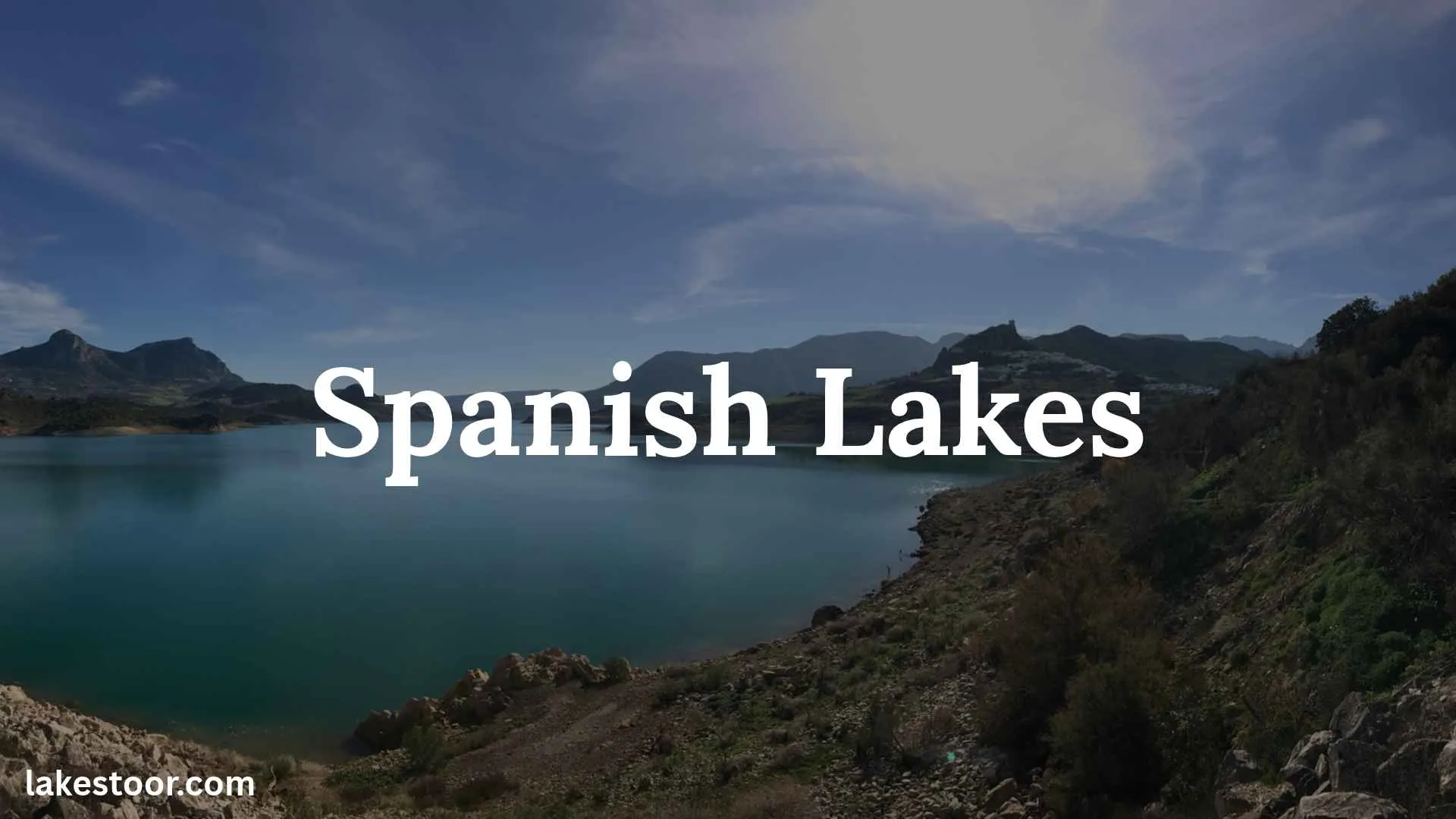
Spain is famous for its Mediterranean beaches, historic cities, and dramatic mountain landscapes. However, the country also has some remarkable lakes, freshwater lagoons, and high-altitude mountain pools. From the glacial waters of Lake Sanabria to the turquoise Lakes of Covadonga, Spanish lakes offer plenty of natural beauty and opportunities for outdoor recreation.
Unlike countries with thousands of large natural lakes, Spain has relatively few extensive natural lakes. Many of its best-known water destinations are small mountain lakes, interconnected lagoons, coastal wetlands, or artificial reservoirs. Each has its own landscape, wildlife, and recreational appeal.
Whether you’re interested in peaceful mountain scenery, birdwatching, hiking, swimming, or exploring traditional Spanish villages, these destinations are worth discovering. Here are 15 notable Spanish lakes and lagoons, along with their locations, distinctive features, and activities.
15 Most Beautiful Spanish Lakes and Lagoons
Spain has lakes and lagoons spread across several regions, from the northern mountains to the wetlands of southern Andalusia. Some were formed by ancient glaciers, while others developed through underground water movement, sedimentation, or coastal processes.
The following destinations offer a useful introduction to Spain’s freshwater and lagoon landscapes.
1. Lake Sanabria (Lago de Sanabria), Castile and León
Location: Zamora Province, northwestern Spain
Lake Sanabria is one of Spain’s most impressive natural lakes and the largest natural freshwater lake in the country. It lies within the Sanabria Lake Natural Park, surrounded by forested hills, mountains, and picturesque countryside.
The lake formed through glacial activity during the last major ice age. It covers approximately 3.5–3.7 square kilometers and reaches a maximum depth of around 50 meters.
Its clear waters and scenic shoreline make it an appealing destination for nature lovers. Visitors can enjoy:
- Walking along the lake’s scenic shoreline.
- Exploring nearby hiking trails.
- Enjoying designated bathing areas.
- Kayaking and other permitted water activities.
- Discovering the nearby historic village of Puebla de Sanabria.
- Observing local wildlife and aquatic habitats.
Summer is particularly popular for lakeside recreation. However, water temperatures can remain cool because of the lake’s mountain setting.
2. Lake Banyoles (Estany de Banyoles), Catalonia
Location: Banyoles, Girona Province
Lake Banyoles is the largest natural lake in Catalonia and one of Spain’s most distinctive freshwater environments. It sits in northeastern Spain, not far from Girona.
Unlike glacial lakes, Banyoles developed through karst processes. Underground water gradually dissolved soluble rock, creating depressions that filled with groundwater.
The lake covers approximately 1.1 square kilometers and reaches a maximum depth of roughly 45–50 meters, depending on the measurement source.
Its attractive shoreline and peaceful surroundings make it popular with outdoor enthusiasts.
Popular activities include:
- Walking and cycling along the lakeside paths.
- Kayaking and rowing.
- Enjoying the surrounding green spaces.
- Birdwatching and observing aquatic wildlife.
- Exploring the historic center of Banyoles.
Lake Banyoles also has an important sporting history. It hosted rowing events during the 1992 Barcelona Olympic Games, making it particularly interesting to sports enthusiasts.
3. Lake Enol (Lago Enol), Asturias
Location: Picos de Europa National Park, Asturias
Lake Enol is one of the famous Lakes of Covadonga in northern Spain. Located high in the Picos de Europa mountains, it offers a beautiful combination of alpine scenery, green meadows, and rugged limestone peaks.
The lake formed through glacial processes and sits at approximately 1,070 meters above sea level.
Its changing appearance throughout the year makes it especially attractive to photographers and hikers. The surrounding landscape features mountain pastures, walking routes, and impressive natural viewpoints.
Things to enjoy around Lake Enol include:
- Admiring the surrounding mountain scenery.
- Walking along designated trails.
- Photography and nature observation.
- Exploring the nearby Covadonga area.
- Watching grazing livestock in the surrounding mountain pastures.
Lake Enol is a popular stop for visitors exploring the Picos de Europa National Park.
4. Lake Ercina (Lago Ercina), Asturias
Location: Picos de Europa National Park, Asturias
Lake Ercina is the second major lake in the Lakes of Covadonga. It sits close to Lake Enol and provides another beautiful example of Spain’s glacial mountain landscapes.
At approximately 1,100 meters above sea level, Ercina offers spectacular views of surrounding limestone mountains and open grasslands.
Although both lakes share a similar glacial origin, their landscapes have distinct characteristics. Ercina is particularly known for its picturesque mountain backdrop and open surroundings.
Visitors can enjoy:
- Walking around the lake.
- Photographing the mountain scenery.
- Exploring nearby mountain trails.
- Watching birds and other wildlife.
- Enjoying peaceful natural surroundings.
Lake Ercina and Lake Enol are often explored together during a visit to Covadonga.
5. Lagunas de Ruidera, Castile-La Mancha
Location: Ciudad Real and Albacete provinces
The Lagunas de Ruidera are among Spain’s most unusual natural water landscapes. Rather than forming one large lake, this destination consists of approximately 15 interconnected lagoons.
These lagoons are connected by natural waterways and waterfalls, creating a distinctive landscape of turquoise pools, limestone formations, and vegetation.
The system is protected within the Lagunas de Ruidera Natural Park.
Its beautiful water colors and varied landscapes attract visitors throughout the warmer months.
Popular activities include:
- Swimming in designated permitted areas.
- Kayaking and canoeing where authorized.
- Hiking along natural trails.
- Photography and wildlife observation.
- Exploring waterfalls and limestone formations.
- Enjoying nearby picnic areas.
Water levels and swimming access can vary with seasonal conditions and local restrictions. Check the applicable park rules before planning water activities.
6. Lake Gallocanta (Laguna de Gallocanta), Aragon
Location: Zaragoza and Teruel provinces
Gallocanta is one of Spain’s most important natural saline lagoons. Located on a high plateau in Aragon, it is especially famous for its birdlife and seasonal migration patterns.
Unlike the freshwater lakes of northern Spain, Gallocanta has salty water. Its water levels change considerably with rainfall, evaporation, and seasonal conditions.
The lagoon is particularly important for migrating common cranes, which gather in the area during their seasonal movements.
Activities and experiences include:
- Birdwatching during migration periods.
- Nature photography.
- Exploring designated observation points.
- Learning about wetland ecosystems.
- Discovering the surrounding rural landscape.
Autumn and winter are especially interesting seasons for birdwatchers hoping to observe large groups of cranes.
7. Fuente de Piedra Lagoon, Andalusia
Location: Málaga Province, southern Spain
Fuente de Piedra is one of Spain’s best-known saline wetlands. It is particularly famous for its large flamingo population and seasonal bird activity.
The lagoon is an important protected wetland in Andalusia. Its shallow waters provide suitable feeding and breeding habitats for several bird species.
Greater flamingos are the area’s most recognizable residents. During favorable conditions, visitors may see large groups feeding in the shallow water.
Things to experience include:
- Watching flamingos and other waterbirds.
- Visiting designated bird observation points.
- Exploring the surrounding natural landscape.
- Learning about wetland conservation.
- Taking wildlife photographs.
The lagoon’s appearance changes throughout the year. Rainfall, water levels, and breeding conditions influence the number of birds present.
8. Albufera de Valencia, Valencia
Location: Near Valencia, eastern Spain
Albufera de Valencia is a large coastal lagoon surrounded by rice fields, wetlands, and traditional fishing communities.
Although it is sometimes described as a lake, it is more accurately classified as a coastal lagoon. Its shallow waters and surrounding wetlands create an important ecological environment.
The area is part of the Albufera Natural Park and supports numerous resident and migratory bird species.
Visitors can enjoy:
- Traditional boat trips across the lagoon.
- Birdwatching and nature photography.
- Exploring nearby walking routes.
- Discovering traditional fishing activities.
- Enjoying local rice dishes in nearby communities.
Albufera is also closely associated with Valencian cuisine, particularly paella. The surrounding rice-growing landscape adds another cultural dimension to the destination.
9. Estany de Montcortès, Catalonia
Location: Pallars Sobirà, Lleida Province
Estany de Montcortès is a natural lake in the Catalan Pyrenees. Unlike many mountain lakes formed by glaciers, this lake has a karstic origin.
Its peaceful surroundings and relatively accessible setting make it an interesting destination for people exploring the Pyrenean countryside.
The lake is surrounded by vegetation and rural landscapes, creating a quieter alternative to some of the region’s more heavily visited mountain destinations.
Visitors can enjoy:
- Walking around the lake.
- Photography.
- Nature observation.
- Exploring nearby villages.
- Enjoying the peaceful mountain environment.
Its natural origin makes it particularly interesting for visitors who enjoy learning about Spain’s geological landscapes.
10. Lake Arreo (Lago de Arreo), Basque Country
Location: Álava Province
Lake Arreo is a small natural lake in the Basque Country. It is notable for its geological characteristics and its importance as a wetland habitat.
The surrounding landscape features agricultural land, natural vegetation, and rolling countryside.
Unlike large recreational lakes, Arreo is more closely associated with nature conservation and ecological interest.
Visitors interested in the area can enjoy:
- Observing wetland birds.
- Photographing the surrounding landscape.
- Exploring nearby rural areas.
- Learning about natural lake ecosystems.
It is a good example of the smaller natural water bodies that contribute to Spain’s geographic diversity.
11. Laguna Grande del Tobar, Castile-La Mancha
Location: Cuenca Province
Laguna Grande del Tobar is a natural lagoon in the province of Cuenca. It belongs to a region known for its limestone landscapes and distinctive inland wetlands.
The lagoon is associated with karstic geological processes, which shape many natural water bodies in central Spain.
Its quiet surroundings make it more suitable for nature observation than busy recreational tourism.
Visitors may appreciate:
- Birdwatching.
- Nature photography.
- Exploring the surrounding countryside.
- Observing seasonal changes in water levels.
- Learning about local wetland habitats.
As with other sensitive wetlands, visitors should respect protected areas and avoid disturbing wildlife.
12. Laguna de Chiprana, Aragon
Location: Zaragoza Province
Laguna de Chiprana is an important saline lagoon in northeastern Spain. It is particularly interesting because of its unusual saltwater environment and ecological characteristics.
Its waters support specialized microorganisms and aquatic communities adapted to high salinity.
The surrounding landscape is relatively dry, creating a striking contrast between the lagoon and the surrounding countryside.
Notable features include:
- Saline wetland ecosystems.
- Specialized aquatic microorganisms.
- Interesting geological formations.
- Seasonal changes in water conditions.
- Bird habitats.
This destination is particularly valuable for people interested in ecology, geology, and unusual aquatic environments.
13. Ibones of the Aragonese Pyrenees, Aragon
Location: Huesca Province, northeastern Spain
The Aragonese Pyrenees contain hundreds of small mountain lakes known locally as ibones.
These lakes were largely shaped by ancient glaciers and occupy high-altitude mountain basins. Many are surrounded by rocky peaks, alpine meadows, and dramatic valleys.
Unlike a single destination, the ibones form a collection of mountain lakes spread throughout the Pyrenees.
Some well-known examples include:
- Ibón de Plan.
- Ibón de Estanés.
- Ibones de Anayet.
- Ibón de Bachimaña.
- Ibón de Truchas.
These mountain lakes attract hikers, photographers, and nature enthusiasts.
Popular experiences include hiking, mountain photography, wildlife observation, and exploring alpine landscapes.
Access can become difficult during winter and periods of poor weather. Visitors should choose routes appropriate to their experience and check mountain conditions before setting out.
14. Laguna de la Nava, Castile and León
Location: Palencia Province
Laguna de la Nava is an important wetland in the northern part of Castile and León. It is sometimes described as the Nava Lagoon or the Nava Wetland.
Historically, the area experienced significant changes because of drainage and later wetland restoration efforts.
Today, it provides valuable habitat for waterbirds and other wildlife.
The wetland is particularly interesting for birdwatchers because different species use it during migration and wintering periods.
Visitors can enjoy:
- Birdwatching.
- Nature photography.
- Exploring designated observation areas.
- Learning about wetland restoration.
- Observing seasonal wildlife activity.
Water levels and the presence of birds depend heavily on the season and environmental conditions.
15. Lago Redó, Catalonia
Location: Aigüestortes i Estany de Sant Maurici National Park area, Lleida Province
Lago Redó, also known as Estany Redó, is a mountain lake in the Catalan Pyrenees.
It is part of a region known for its high-altitude lakes, rugged mountains, and spectacular hiking landscapes.
Like many Pyrenean lakes, it reflects the area’s glacial history.
Its mountain setting makes it particularly appealing to hikers and photographers looking for quieter natural scenery.
Possible experiences include:
- Mountain hiking.
- Landscape photography.
- Observing alpine vegetation.
- Exploring surrounding mountain terrain.
- Enjoying the scenery of the Pyrenean national park region.
Visitors should check the precise trail access and seasonal conditions before planning a trip.
Quick Comparison of Popular Spanish Lakes
Spain’s lakes differ considerably in their geological origins, landscapes, and recreational opportunities. This table provides a quick comparison of several notable destinations.
| Lake or lagoon | Region | Main characteristic |
| Lake Sanabria | Castile and León | Largest natural freshwater lake |
| Lake Banyoles | Catalonia | Large karstic lake |
| Lake Enol | Asturias | Glacial mountain lake |
| Lake Ercina | Asturias | Mountain scenery |
| Lagunas de Ruidera | Castile-La Mancha | Interconnected lagoons |
| Gallocanta | Aragon | Saline wetland and cranes |
| Fuente de Piedra | Andalusia | Flamingo habitat |
| Albufera | Valencia | Coastal lagoon |
| Montcortès | Catalonia | Karstic mountain lake |
| Lake Arreo | Basque Country | Natural wetland |
| Laguna de Chiprana | Aragon | Saline ecosystem |
| Ibones | Aragon | High-altitude glacial lakes |
Famous Artificial Lakes and Reservoirs in Spain
Not every popular lake destination in Spain is natural. The country also has numerous reservoirs created by dams for water storage, irrigation, electricity generation, and flood management.
These artificial lakes have become important parts of Spain’s landscapes and recreational areas.
Here are some notable examples.
Lake Alqueva, Extremadura and Portugal
Location: Guadiana River, near the Spanish-Portuguese border
Alqueva is a large artificial reservoir on the Guadiana River. Although most of its water body lies in Portugal, it extends into Spanish territory.
Its extensive shoreline, surrounding countryside, and recreational opportunities make it an important destination in the border region.
Activities include boating, fishing where permitted, and exploring nearby rural communities.
La Serena Reservoir, Extremadura
Location: Badajoz Province
La Serena is one of Spain’s largest reservoirs by surface area. It was created on the Zújar River and plays an important role in regional water management.
The reservoir also creates an extensive landscape of water, hills, and open countryside.
Fishing, boating, and nature observation are among the activities associated with the surrounding area, subject to local regulations.
Yesa Reservoir, Aragon and Navarre
Location: Aragón and Navarre, northeastern Spain
Yesa Reservoir sits along the Aragón River and is surrounded by beautiful mountain landscapes.
It is sometimes called the Sea of the Pyrenees because of its extensive water surface and scenic setting.
Visitors explore the surrounding countryside, enjoy water-based recreation where permitted, and discover nearby historical destinations.
Alcántara Reservoir, Extremadura
Location: Cáceres Province
Alcántara Reservoir is an important artificial water body on the Tagus River.
Its extensive shoreline and surrounding natural landscapes make it a recognizable feature of western Extremadura.
The nearby historic town of Alcántara is also worth exploring, particularly for its impressive Roman bridge.
Where Are Most Spanish Lakes Located?
Spain’s natural lakes and lagoons are distributed across several geographic regions. Their locations often reflect differences in elevation, geology, rainfall, and climate.
The northern and northeastern parts of the country contain many mountain lakes, while central and southern Spain have several notable inland and saline lagoons.
Northern Spain
Northern Spain is particularly important for glacial lakes.
The Picos de Europa in Asturias contains the famous Lakes of Covadonga, Enol and Ercina. The northwestern province of Zamora is home to Lake Sanabria.
The region’s mountains, rainfall, and glacial history have helped create distinctive freshwater environments.
Northeastern Spain
Catalonia and Aragon contain numerous mountain lakes and wetlands.
The Catalan Pyrenees are known for their high-altitude lakes, while Banyoles offers a distinctive karstic lake environment.
Aragon also contains the famous Gallocanta Lagoon and hundreds of mountain ibones.
Central Spain
Central Spain has several important lagoon systems.
The Lagunas de Ruidera, located between Ciudad Real and Albacete, are among the region’s most recognizable natural water landscapes.
Other examples include the wetlands of Palencia and the lagoons of Cuenca.
Southern Spain
Andalusia is known for its saline lagoons and seasonal wetlands.
Fuente de Piedra in Málaga is particularly important for flamingos and other waterbirds.
Southern Spain also contains several protected wetlands that support migratory birds and specialized aquatic habitats.
What Activities Can You Enjoy at Spanish Lakes?
Spanish lakes offer different experiences depending on their location, water conditions, and conservation status.
Some destinations are popular recreational areas, while others are protected primarily for their ecological importance.
Here are some activities you can enjoy at suitable locations.
Swimming and Relaxing
Several Spanish lakes have designated bathing areas where visitors can enjoy the water during warmer months.
Lake Sanabria is particularly well known for its lakeside beaches.
Some areas around the Lagunas de Ruidera also offer permitted swimming opportunities.
Always check local swimming restrictions, water quality notices, and seasonal conditions before entering the water.
Boating and Kayaking
Banyoles, Sanabria, and some reservoirs offer opportunities for boating and paddling.
However, permitted activities vary between destinations. Protected wetlands may restrict motorboats or other recreational activities to protect wildlife.
Check local regulations before bringing your own equipment.
Fishing
Some Spanish lakes and reservoirs support recreational fishing.
However, fishing regulations vary by region and water body. You may need a regional fishing license, additional permits, or permission for a particular location.
Always check local restrictions, protected species, and seasonal fishing periods.
Hiking and Nature Photography
Mountain lakes provide some of Spain’s best opportunities for hiking and landscape photography.
The Picos de Europa and Aragonese Pyrenees are particularly attractive for mountain scenery.
You can explore walking trails, photograph alpine landscapes, and observe wildlife in suitable areas.
Birdwatching
Spain has several internationally important wetland habitats.
Gallocanta, Fuente de Piedra, and Albufera are particularly interesting destinations for birdwatchers.
Depending on the season, visitors may observe flamingos, cranes, ducks, and other migratory birds.
Best Time to Visit Spanish Lakes
The best time to explore Spanish lakes depends on the destination and activities you have planned.
Spain has considerable climatic variation. Mountain lakes experience different conditions from the warm coastal and inland regions.
| Season | What to expect | Suitable experiences |
| Spring | Mild temperatures and changing water levels | Hiking, birdwatching, photography |
| Summer | Warmer weather and popular recreational areas | Swimming, kayaking, boating |
| Autumn | Cooler temperatures and seasonal wildlife activity | Hiking, photography, birdwatching |
| Winter | Snow and colder mountain conditions | Winter scenery and wildlife observation |
Spring
Spring is an excellent season for exploring wetlands and mountain landscapes.
Temperatures become more comfortable, vegetation develops, and many bird species become active.
Summer
Summer is popular for swimming, boating, and lakeside relaxation.
Destinations such as Sanabria and Ruidera attract visitors looking for outdoor recreation.
However, mountain areas can still experience unpredictable weather.
Autumn
Autumn offers beautiful scenery and interesting wildlife activity.
Gallocanta is particularly noteworthy during the crane migration season.
Winter
Winter brings colder temperatures and possible snowfall to northern mountain lakes.
Some hiking routes become difficult or inaccessible. Always check local conditions before traveling.
Frequently Asked Questions About Spanish Lakes
What is the largest natural lake in Spain?
Lake Sanabria in Zamora, Castile and León, is the largest natural freshwater lake in Spain. It covers approximately 3.5–3.7 square kilometers and reaches a maximum depth of around 50 meters.
What are the most beautiful lakes in Spain?
Some particularly scenic Spanish lakes include Lake Sanabria, Lake Banyoles, Lake Enol, Lake Ercina, and the Lagunas de Ruidera. The Aragonese Pyrenees also contain numerous beautiful high-altitude lakes.
Are there natural lakes in Spain?
Yes. Spain has natural lakes formed through glacial, karstic, tectonic, and other geological processes. Examples include Sanabria, Banyoles, Enol, Ercina, and several Pyrenean ibones.
Does Spain have more natural lakes or reservoirs?
Artificial reservoirs are much more numerous and generally more extensive than Spain’s large natural lakes. Reservoirs serve important purposes, including irrigation, water storage, and hydroelectric power generation.
Where are the Lakes of Covadonga?
The Lakes of Covadonga are in Asturias, within Picos de Europa National Park. Their two best-known lakes are Enol and Ercina.
Can you swim in Spanish lakes?
Yes, swimming is permitted at certain Spanish lakes and designated bathing areas. Lake Sanabria and some areas of Ruidera are examples. However, protected wetlands and other lakes may prohibit swimming.
Are Spanish lakes suitable for kayaking?
Several lakes and reservoirs offer kayaking opportunities. Banyoles and Sanabria are notable examples, although visitors should check local activity restrictions and equipment requirements.
What is the best lake to visit in Spain?
Lake Sanabria is an excellent choice for natural scenery, freshwater recreation, and outdoor activities. Banyoles is another attractive option for lakeside walks and water sports. Your best choice depends on the experience you want.
Are there lakes in the Spanish Pyrenees?
Yes. The Spanish Pyrenees contain hundreds of mountain lakes known as ibones. Many formed through glacial activity and are surrounded by dramatic mountain scenery.
What is the difference between a Spanish lake and a lagoon?
A lake generally refers to a larger inland body of standing water. A lagoon is often shallower and may be coastal, saline, or seasonally flooded. Spanish geographic terminology includes both lago and laguna, although their use does not always follow strict English-language definitions.
Conclusion
Spanish lakes reveal a different side of the country’s natural beauty. From the glacial waters of Sanabria and the mountain scenery of Covadonga to the saline wetlands of Gallocanta and Fuente de Piedra, Spain offers a remarkable variety of aquatic landscapes.
If you prefer outdoor recreation, Lake Banyoles and Lake Sanabria are excellent places to consider. For mountain scenery, explore the Pyrenean ibones. If birdwatching interests you, visit Gallocanta or Fuente de Piedra.
Each destination offers something different, making Spain an interesting country for exploring natural lakes, lagoons, and reservoirs.

Hello, I’m Oliver Whitmore, and I’ve spent years exploring Britain’s beautiful lakes as well as freshwater landscapes across Europe and beyond. I enjoy researching the history, geography, wildlife, and cultural significance of lakes, then turning that knowledge into practical, easy-to-understand articles.
I believe every lake tells a story, whether it’s shaped by ancient glaciers, surrounded by legends, or home to remarkable wildlife. Through my writing, I hope to help readers discover the beauty and importance of these natural wonders.
Books I’ve Written:
- Britain’s Hidden Lakes
- The Freshwater Explorer’s Handbook