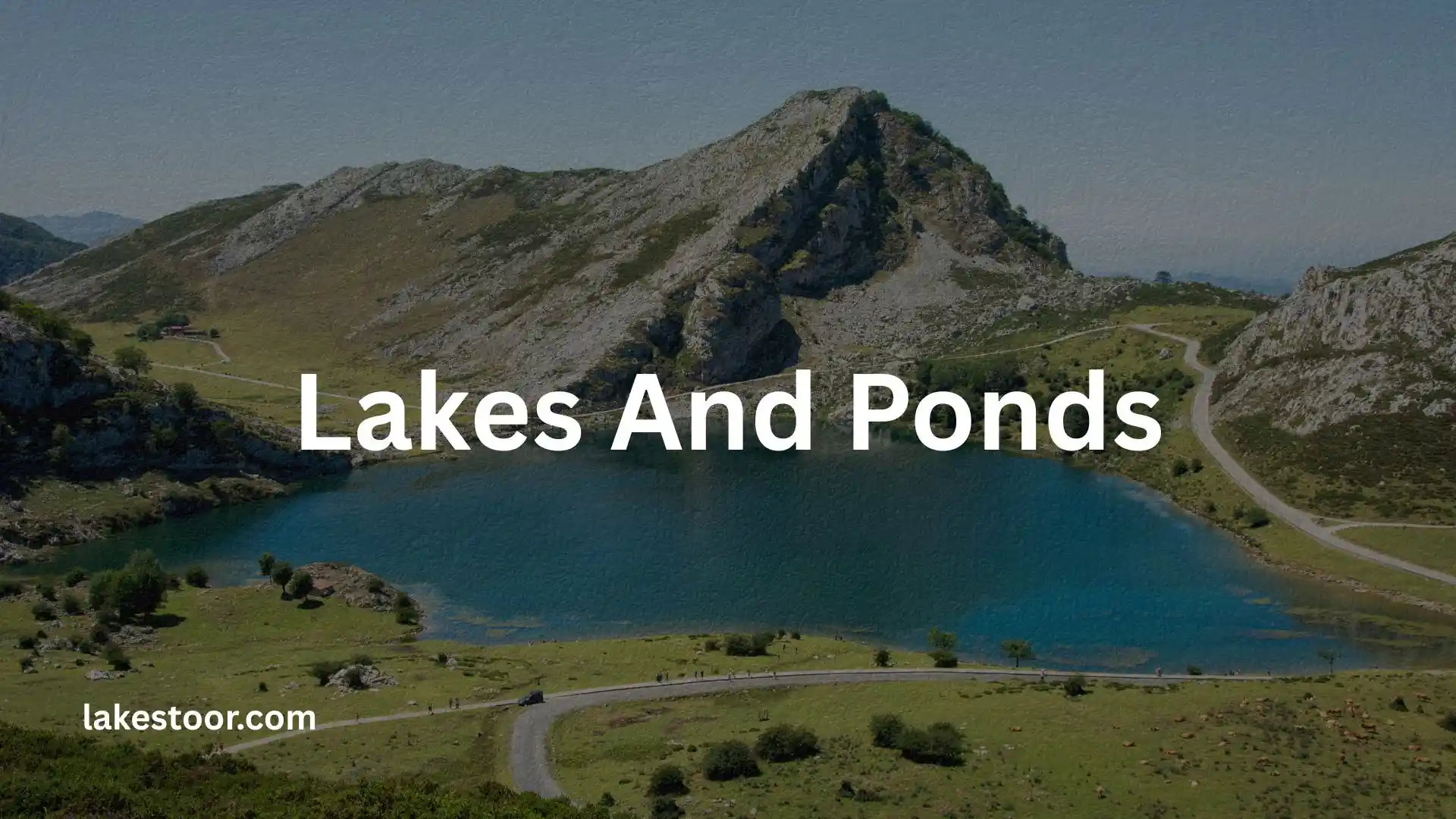
Lakes and ponds are both inland bodies of standing water, but they are not exactly the same. They can look similar from the shoreline, yet differences in size, depth, light penetration, temperature, vegetation, and ecological conditions help distinguish them.
People often search for lakes and ponds because they want to understand the difference between them, learn about their characteristics, discover common types, or understand why these freshwater environments matter. While there is no single worldwide rule that separates every lake from every pond, several useful scientific and practical distinctions can help.
This guide explains what lakes and ponds are, how they differ, the major types, their ecosystems, benefits, environmental importance, and frequently asked questions.
What Are Lakes and Ponds?
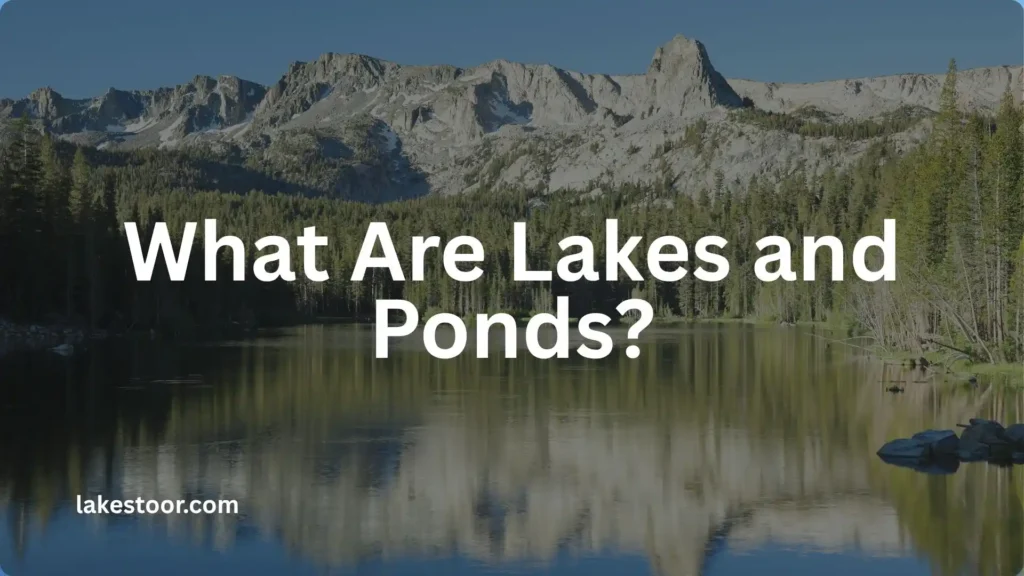
Lakes and ponds are bodies of water surrounded by land. Most are freshwater, although some lakes can contain salty or brackish water.
What Is a Lake?
A lake is a relatively large inland body of standing water surrounded by land. Lakes are generally deep enough that sunlight does not reach the entire bottom, allowing them to develop different zones and layers of water.
Lakes can form naturally through processes such as glacial activity, volcanic activity, tectonic movement, landslides, or river processes. Some lakes are also artificial reservoirs created by humans.
What Is a Pond?
A pond is generally a smaller and shallower body of standing water. In many ponds, sunlight can reach much or all of the bottom, allowing aquatic plants to grow throughout a significant portion of the water.
Ponds can be natural or artificial. Garden ponds, farm ponds, wildlife ponds, and stormwater ponds are common examples of human-created ponds.
Why Is the Difference Not Always Simple?
There is no universally accepted measurement that says a body of water below a particular size is always a pond and anything larger is always a lake.
A water body can be called a lake or pond based on its:
- Size
- Depth
- Local terminology
- Ecological characteristics
- Regional traditions
- Water temperature
- Light penetration
- Intended use
This means that names alone are not always enough to determine whether a body of water is scientifically a lake or pond.
What Is the Difference Between a Lake and a Pond?
The biggest practical differences involve size, depth, sunlight, temperature, and aquatic vegetation.
| Feature | Lake | Pond |
| Typical size | Larger | Smaller |
| Typical depth | Deeper | Shallower |
| Sunlight | May not reach bottom | Often reaches bottom |
| Aquatic plants | Usually concentrated in shallow areas | Can grow across much of the bottom |
| Temperature | Can develop layers | Often more uniform |
| Ecosystem | Often more complex | Often highly productive |
| Human use | Recreation, fishing, water supply | Wildlife, farming, recreation |
| Natural or artificial | Both | Both |
These are general patterns rather than strict rules.
Size
Lakes are generally larger than ponds, but size alone does not provide a universal definition.
Some relatively small water bodies are called lakes, while some larger ones may be called ponds depending on regional naming conventions.
Depth
Depth is often more useful than surface area when comparing lakes and ponds.
A deeper lake can develop distinct temperature layers, while a shallow pond may remain relatively uniform from the surface to the bottom.
Sunlight
In many ponds, sunlight reaches most or all of the bottom. This encourages widespread aquatic plant growth.
In deeper lakes, sunlight may only reach the upper portion of the water column.
Temperature
Many lakes develop thermal layers, especially during warmer seasons. Ponds are often shallow enough that wind and sunlight can influence most of the water column.
Aquatic Vegetation
Ponds commonly support abundant vegetation because sunlight reaches the bottom over a large area.
Lakes may have aquatic plants around shallow shorelines, while deeper central areas may contain little or no rooted vegetation.
Lakes and Ponds Difference
The main difference between lakes and ponds is usually their size, depth, and ecological conditions. A lake is generally larger and deeper than a pond, but there is no single worldwide measurement that officially separates the two.
Ponds are often shallow enough for sunlight to reach much or all of the bottom, which allows many aquatic plants to grow throughout the water body. Lakes are typically deeper, allowing different temperature zones and habitats to develop.
Size alone, however, is not always enough. Some small water bodies are called lakes, while some relatively large ones are called ponds. Local geography, history, and naming traditions can also influence the name.
Lakes and Ponds Location
Lakes and ponds occur on every continent and can be found in forests, grasslands, deserts, mountains, wetlands, and urban areas. Their locations depend on factors such as climate, geology, rainfall, groundwater, and drainage patterns.
Natural lakes can form through glaciers, volcanic activity, tectonic movement, landslides, or other geological processes. Ponds can also form naturally, while many are created by people for farming, wildlife habitat, recreation, stormwater management, or water storage.
Some regions are particularly well known for their large numbers of lakes and ponds because of their glacial history and wet climate.
Lakes and Ponds Biome
Lakes and ponds are freshwater ecosystems that support communities of plants, animals, microorganisms, and other organisms. They are often considered part of the freshwater aquatic biome.
Their conditions can vary considerably. A deep mountain lake may have cold, clear water and limited vegetation, while a shallow pond may contain abundant aquatic plants and warm water.
Important environmental factors include water temperature, sunlight, dissolved oxygen, nutrients, water movement, depth, and seasonal changes. Together, these factors determine which species can survive in a particular lake or pond.
Lakes and Ponds Near Me
When looking for lakes and ponds near you, consider what type of activity you want to enjoy. Some water bodies are suitable for walking, photography, fishing, kayaking, wildlife watching, or swimming, while others may be protected areas where access is restricted.
Local parks, conservation areas, state or provincial agencies, and recreation websites can provide information about nearby water bodies. Before visiting, check current rules, parking information, water-quality advisories, boating regulations, and whether swimming or fishing is permitted.
A nearby pond may be easier to reach than a large lake, but both can provide opportunities to observe aquatic wildlife and enjoy nature.
Lakes and Ponds Animals
Lakes and ponds provide habitat for a wide range of animals. Common examples include fish, frogs, turtles, ducks, geese, insects, amphibians, and aquatic or semi-aquatic mammals.
The animals found in a particular water body depend on its climate, depth, vegetation, water quality, and surrounding habitat. Shallow ponds with dense vegetation can provide excellent breeding areas for frogs, insects, and some birds.
Larger lakes can support fish communities that depend on different depths and habitats. Animals living around the shoreline are also an important part of the ecosystem because they connect the aquatic environment with nearby forests, grasslands, and wetlands.
Difference Between Pond and Lake Joke
The difference between a pond and a lake can make a fun joke because there is no universally accepted size that separates the two.
A simple joke is:
“When does a pond become a lake? When the pond gets promoted!”
The humor works because scientists and geographers recognize that the terms “lake” and “pond” do not have one universal definition based solely on size.
Lakes and Ponds Abiotic Factors
Abiotic factors are the nonliving parts of an ecosystem. In lakes and ponds, these factors strongly influence which plants, animals, and microorganisms can survive.
Important abiotic factors include:
- Water temperature
- Sunlight
- Dissolved oxygen
- Water depth
- pH
- Nutrient levels
- Salinity
- Turbidity
- Water movement
- Seasonal changes
- Sediment type
For example, sunlight affects photosynthesis, while dissolved oxygen is essential for many aquatic animals. Water temperature can also influence metabolism, reproduction, and the distribution of aquatic species.
How Many Lakes and Ponds in Maine
Maine is famous for its abundance of lakes and ponds, with thousands of named and unnamed water bodies spread across the state. The Maine Department of Environmental Protection describes Maine as having more than 6,000 lakes and ponds of at least one acre in size.
The state’s large number of freshwater bodies is closely connected to its glacial landscape. Glaciers carved and reshaped the land, leaving behind basins that later filled with water.
Maine’s lakes and ponds range from small woodland ponds to enormous bodies of water such as Moosehead Lake. They support recreation, wildlife, fisheries, tourism, and local communities.
Difference Between Lakes and Ponds
Lakes and ponds are both standing bodies of water, but they often differ in depth, size, temperature patterns, and biological communities.
Ponds are generally smaller and shallower. Because sunlight can penetrate much of the water column, aquatic vegetation may be widespread. Lakes are often deeper and can develop distinct temperature layers, particularly during warmer months.
There is no universal scientific rule saying exactly how many acres make a pond a lake. Names can be based on geography, local tradition, history, or other characteristics.
Lakes and Ponds Plants
Lakes and ponds can contain many types of aquatic plants. These plants may grow underwater, float on the surface, or emerge above the water.
Common examples include water lilies, cattails, pondweeds, reeds, rushes, and various submerged aquatic plants. Their distribution depends on water depth, sunlight, nutrients, temperature, and sediment.
Aquatic plants are important because they provide food and shelter for wildlife, produce oxygen through photosynthesis, stabilize some sediments, and create habitat for insects, fish, amphibians, and birds.
However, excessive plant growth can sometimes indicate nutrient enrichment and may interfere with recreation or ecosystem balance.
NH Lakes and Ponds
New Hampshire is well known for its lakes and ponds, particularly in the Lakes Region and the White Mountains. These water bodies range from small forest ponds to large recreational lakes.
Lake Winnipesaukee is the state’s largest lake and is an important destination for boating, fishing, swimming, tourism, and shoreline recreation. Smaller ponds throughout New Hampshire provide habitat for wildlife and quieter opportunities for outdoor activities.
Because conditions vary between water bodies, visitors should check local regulations for boating, fishing, swimming, camping, and access before visiting.
Weed Killer for Lakes and Ponds
Using weed killer in lakes and ponds requires caution because aquatic herbicides can affect plants, fish, amphibians, insects, and water quality. Products should never be used in a water body unless they are specifically approved for that aquatic use and applied according to the label and local regulations.
Before treating unwanted aquatic vegetation, it is important to identify the plant and understand why it is growing excessively. Nutrient runoff, shallow water, sediment buildup, and invasive species can all contribute to aquatic plant problems.
Mechanical removal, reducing nutrient inputs, and other management methods may sometimes be appropriate alternatives. For larger or environmentally sensitive water bodies, professional aquatic vegetation management is often the safer approach.
Are Lakes and Ponds Freshwater
Many lakes and ponds are freshwater, but not every lake or pond is necessarily freshwater. Most inland lakes and ponds contain freshwater because they are supplied primarily by rain, rivers, streams, snowmelt, and groundwater.
There are also saline or brackish lakes and ponds in different parts of the world. Their salinity can result from evaporation, mineral-rich water, restricted drainage, or connection to marine environments.
For this reason, “lake” and “pond” describe types of water bodies rather than automatically defining the water’s salinity.
Ponds Lakes and Rivers
Ponds, lakes, and rivers are all aquatic ecosystems, but they differ mainly in how water moves through them.
A pond is generally a small, shallow body of standing water. A lake is usually larger and deeper, with water movement occurring through inflowing and outflowing streams, wind, currents, and other processes. A river is a flowing body of water that moves through a channel toward another river, lake, wetland, or ocean.
These environments are connected. Rainwater and runoff can enter ponds and lakes, streams can carry water between them, and rivers can transport nutrients and organisms across entire watersheds.
Facts About Lakes and Ponds
Lakes and ponds are among the most important freshwater habitats on Earth. They provide water, food, recreation, wildlife habitat, and valuable ecological functions.
Here are some useful facts:
- Lakes and ponds can form naturally or be created by humans.
- Glaciers created many lakes in northern regions.
- Ponds are generally shallower than lakes.
- Lakes can develop temperature layers called thermal stratification.
- Aquatic plants provide shelter and food for many organisms.
- Lakes and ponds support fish, amphibians, insects, birds, and microorganisms.
- Water temperature and oxygen levels can change with depth and season.
- Nutrient pollution can contribute to excessive algae and plant growth.
- Lakes and ponds are connected to larger watershed systems.
- Not every lake or pond is freshwater.
Lakes and Ponds Definition
A lake is a naturally or artificially formed inland body of standing water that is generally larger or deeper than a pond. A pond is usually a smaller and shallower standing-water ecosystem, often allowing sunlight to reach much of its bottom.
However, these definitions are not absolute. There is no single global size limit that separates every lake from every pond. Names can vary according to geography, local tradition, historical usage, and regional terminology.
The most useful way to understand lakes and ponds is to consider their physical and ecological characteristics together, including size, depth, water movement, temperature, sunlight, vegetation, and surrounding habitat.
How Do Lakes and Ponds Form?
Lakes and ponds can develop through natural geological processes or human activity.
Glacial Formation
Glaciers have created many lakes by carving depressions into the landscape.
When glaciers retreat, water can collect in these depressions, creating lakes.
Tectonic Formation
Movement of Earth’s crust can create large depressions that later fill with water.
Tectonic lakes can become extremely large and deep.
Volcanic Formation
Volcanic activity can produce basins that collect water.
Crater and caldera lakes are examples of lakes associated with volcanic landscapes.
River Formation
Rivers can create lakes and ponds when channels are abandoned or sections become separated.
Oxbow lakes are formed when a curved section of a river becomes cut off from the main channel.
Landslide Formation
A landslide can block a river or valley, causing water to accumulate behind the natural barrier.
Human Construction
People create artificial lakes and ponds for many reasons.
Examples include:
- Reservoirs
- Farm ponds
- Irrigation ponds
- Fish ponds
- Wildlife ponds
- Decorative ponds
- Stormwater ponds
- Recreational lakes
Types of Lakes
Lakes vary considerably depending on their origin, chemistry, depth, and surrounding environment.
Glacial Lakes
Glacial lakes form in basins created or modified by glaciers.
They are common in mountainous and formerly glaciated regions.
Tectonic Lakes
Tectonic lakes develop in depressions created by movements of Earth’s crust.
Some of the world’s deepest lakes are tectonic in origin.
Volcanic Lakes
Volcanic lakes form in volcanic craters, calderas, or other volcanic depressions.
They can have unusual shapes and distinctive geological surroundings.
Oxbow Lakes
Oxbow lakes form when a meandering river cuts through a narrow section of land and leaves a former river bend isolated.
They often have a curved or horseshoe-like shape.
Reservoirs
Reservoirs are artificial lakes created by dams or other structures.
They are commonly used for:
- Drinking water
- Irrigation
- Hydroelectric power
- Flood management
- Recreation
Also Check This Post:Best Lakes in Wisconsin: 15 Must-Visit Lakes for Swimming, Fishing, Boating, Hiking, and Scenic Getaways
Types of Ponds
Ponds can also be classified according to how they form and how people use them.
Natural Ponds
Natural ponds may form in depressions, wetlands, floodplains, forests, or other landscapes.
They can provide important habitat for amphibians, insects, birds, fish, and aquatic plants.
Farm Ponds
Farm ponds are constructed to store water for agricultural purposes.
They may support irrigation, livestock, aquaculture, or wildlife.
Wildlife Ponds
Wildlife ponds are designed or maintained to provide habitat.
They can support:
- Frogs
- Toads
- Dragonflies
- Aquatic insects
- Birds
- Fish
- Aquatic plants
Garden Ponds
Garden ponds are usually ornamental features designed for landscaping and relaxation.
They may contain aquatic plants, fish, fountains, or other decorative features.
Stormwater Ponds
Stormwater ponds are engineered to collect and manage runoff from developed areas.
They can help reduce flooding and allow sediment and pollutants to settle before water continues downstream.
Lake and Pond Ecosystems
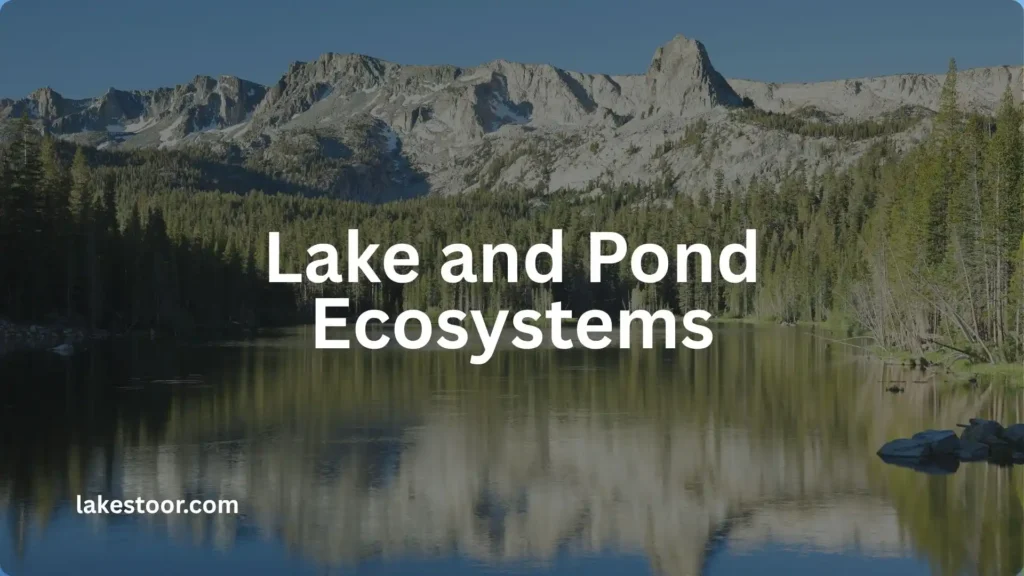
Both lakes and ponds support complex ecosystems.
Producers
Aquatic plants, algae, and microscopic organisms form the foundation of many freshwater food webs.
They use sunlight to produce energy through photosynthesis.
Consumers
Animals that depend on these organisms include:
- Insects
- Fish
- Frogs
- Turtles
- Birds
- Crustaceans
- Mammals
Decomposers
Bacteria and fungi break down dead organic material.
This process returns nutrients to the ecosystem and supports continued biological activity.
Zones of a Lake
Larger and deeper lakes can be divided into ecological zones.
Littoral Zone
The littoral zone is the shallow area near the shoreline where sunlight can reach the bottom.
It often contains:
- Reeds
- Aquatic plants
- Fish
- Amphibians
- Invertebrates
Open-Water Zone
The open-water zone contains water away from the immediate shoreline.
Plankton, fish, and other organisms can occupy this area.
Deep-Water Zone
The deepest areas of a lake receive little or no sunlight.
Organisms living here are adapted to lower light and different oxygen and temperature conditions.
Bottom Zone
The lake bottom contains sediments and organisms that feed on or decompose organic material.
Zones of a Pond
Ponds are generally shallower, so their zones can be less sharply separated than those of deep lakes.
Shallow Shoreline
This area often contains dense vegetation and provides habitat for amphibians, insects, and small fish.
Open Water
The open-water area supports plankton, insects, fish, and other aquatic organisms.
Pond Bottom
Because many ponds are shallow, sunlight can reach much of the bottom. Plants and decomposers can therefore play an important role across the pond.
Why Are Lakes and Ponds Important?
Lakes and ponds provide significant ecological, economic, and recreational benefits.
Wildlife Habitat
Freshwater bodies provide habitat for numerous species.
Ponds can be especially valuable for amphibians because shallow water and surrounding vegetation provide breeding and feeding areas.
Water Storage
Lakes and reservoirs can store large quantities of water.
They may contribute to:
- Drinking-water supplies
- Agriculture
- Industry
- Hydropower
- Drought management
Recreation
People use lakes and ponds for:
- Swimming
- Fishing
- Boating
- Kayaking
- Paddleboarding
- Birdwatching
- Hiking
- Photography
Flood Management
Wetlands, ponds, and reservoirs can temporarily store water and help manage storm runoff.
Nutrient Cycling
Aquatic ecosystems recycle nutrients through plants, animals, microorganisms, sediments, and water.
Lakes and Ponds as Freshwater Resources
Many lakes and ponds contain freshwater, making them valuable resources for humans and wildlife.
Drinking Water
Some lakes and reservoirs provide drinking water after appropriate treatment.
Irrigation
Agricultural ponds and reservoirs can store water for crops during periods of limited rainfall.
Livestock
Farm ponds may provide water for livestock when properly designed and managed.
Industry
Large water bodies can support industrial water needs, depending on local regulations and water availability.
Also Check This Post:Which State Has the Most Lakes? A Complete U.S. Guide
Plants Found in Lakes and Ponds
Aquatic vegetation differs according to depth, sunlight, water chemistry, and habitat.
Emergent Plants
Emergent plants grow with their roots underwater while stems and leaves extend above the surface.
Examples include:
- Cattails
- Reeds
- Rushes
Floating Plants
Floating plants remain at or near the water surface.
Examples include:
- Duckweed
- Water lilies
Submerged Plants
Submerged plants grow mostly underwater.
They can provide shelter and food for aquatic animals.
Algae
Algae range from microscopic organisms to larger forms that can become visible in freshwater.
Healthy amounts of algae are a normal part of many aquatic ecosystems, but excessive growth can indicate nutrient pollution.
Animals That Live in Lakes and Ponds
Lakes and ponds support diverse animal communities.
Fish
Common freshwater fish include species such as:
- Bass
- Trout
- Carp
- Perch
- Catfish
The species present depend on geography, water temperature, habitat, and whether fish were naturally present or introduced.
Amphibians
Ponds are especially important breeding habitats for:
- Frogs
- Toads
- Salamanders
- Newts
Birds
Wetland and lakeshore environments attract birds such as:
- Ducks
- Geese
- Herons
- Kingfishers
- Cormorants
Aquatic Insects
Dragonflies, damselflies, water beetles, mosquitoes, and other insects spend part or all of their life cycles in freshwater environments.
Lakes and Ponds and Water Quality
Water quality determines whether a lake or pond can support a healthy ecosystem and whether it is suitable for particular human uses.
Nutrient Pollution
Excess nitrogen and phosphorus can enter water from fertilizers, wastewater, urban runoff, and other sources.
High nutrient levels can encourage excessive algae growth.
Algal Blooms
Some algal blooms can reduce water quality and, in certain circumstances, produce harmful toxins.
This is why unusual changes in water color, odor, or surface conditions should be treated cautiously.
Sedimentation
Soil and other particles can enter water bodies through erosion and runoff.
Over time, sediment can make a pond or lake shallower and alter aquatic habitats.
Lake and Pond Conservation
Protecting lakes and ponds requires attention to the entire watershed surrounding them.
Reduce Runoff
Vegetated areas can help slow runoff and capture sediment and nutrients before they reach water.
Protect Shoreline Vegetation
Native vegetation along shorelines can provide habitat while helping stabilize soil.
Prevent Pollution
Avoid disposing of chemicals, oils, waste, or other pollutants near water bodies.
Manage Invasive Species
Invasive plants and animals can alter freshwater ecosystems and compete with native species.
Protect Wetlands
Wetlands connected to ponds and lakes can provide important habitat and help filter water.
Lakes vs. Ponds: Which One Is Better?
Neither is inherently better. Their value depends on the purpose.
For Swimming
Larger lakes may provide more space for swimming, but many ponds can also have designated recreational areas.
For Wildlife
Both can be valuable, although shallow ponds often provide excellent habitat for amphibians and aquatic insects.
For Fishing
Both lakes and ponds can support productive fisheries when habitat and water quality are suitable.
For Recreation
Lakes generally provide more space for activities such as boating and sailing.
For Backyard Landscaping
Ponds are usually more practical because they require less space and can be designed for specific purposes.
How Are Lakes and Ponds Affected by Climate Change?
Climate change can influence freshwater ecosystems in several ways.
Rising Temperatures
Warmer water can affect fish, aquatic plants, algae, and oxygen levels.
Changes in Rainfall
Changes in precipitation can alter water levels and runoff patterns.
Drought
Extended dry periods can reduce water levels and shrink shallow ponds.
Extreme Weather
Heavy rainfall can increase erosion, flooding, sedimentation, and nutrient runoff.
The effects vary greatly depending on location, climate, lake depth, watershed characteristics, and local management.
How to Protect a Lake or Pond
Whether you own a pond or simply visit a natural lake, small actions can help protect freshwater environments.
Around Your Property
Consider:
- Maintaining vegetation near shorelines
- Reducing unnecessary fertilizer use
- Managing stormwater
- Preventing soil erosion
- Avoiding chemical runoff
When Visiting
Visitors should:
- Take rubbish home
- Stay on designated trails
- Avoid disturbing wildlife
- Follow fishing regulations
- Avoid releasing pets or unwanted animals
- Clean boats and equipment when required
Lakes and Ponds for Recreation
Water bodies provide many opportunities to spend time outdoors.
Fishing
Fishing is one of the most common recreational activities associated with freshwater.
Always check local fishing regulations, licensing requirements, and seasonal restrictions.
Boating
Large lakes can support:
- Canoeing
- Kayaking
- Sailing
- Motor boating
- Paddleboarding
The appropriate activity depends on local regulations and water conditions.
Birdwatching
Shorelines, wetlands, and shallow ponds can be excellent places to observe birds.
Early morning is often a productive time for birdwatching because wildlife can be more active.
Photography
Water reflections, vegetation, wildlife, and changing light make lakes and ponds attractive photography locations.
Frequently Asked Questions About Lakes and Ponds
What is the main difference between a lake and a pond?
The main practical differences are usually size, depth, sunlight penetration, temperature, and vegetation. Lakes tend to be larger and deeper, while ponds are generally smaller and shallower.
Is a pond smaller than a lake?
Generally, yes, but size alone does not provide a universal scientific definition. Some water bodies called lakes may be smaller than water bodies called ponds in other regions.
Can a pond become a lake?
A pond can gradually become larger or deeper through natural processes or human modification, but simply increasing its size does not automatically change its classification. Local terminology and ecological characteristics also matter.
Are all lakes freshwater?
No. Most familiar lakes are freshwater, but some lakes contain salty or highly mineralized water.
Are ponds always shallow?
Ponds are generally shallow compared with lakes, but there is no universal maximum depth that applies to every pond.
Do fish live in ponds?
Yes. Many ponds support fish, although fish communities depend on water quality, habitat, temperature, oxygen, and whether fish have access to or have been introduced into the pond.
Are ponds good for wildlife?
Yes. Natural ponds can provide important habitat for amphibians, insects, birds, fish, plants, and other wildlife.
Why do ponds often have more plants than lakes?
Many ponds are shallow enough for sunlight to reach the bottom across much of their area. This allows rooted aquatic plants to grow extensively.
Can you swim in a pond?
Some ponds are designed or designated for swimming, but not all ponds are safe for recreational swimming. Water quality, depth, wildlife, algae, contamination, and local rules should always be considered.
What causes algae to grow in lakes and ponds?
Algae naturally occur in aquatic ecosystems, but excessive nutrients such as nitrogen and phosphorus can promote unusually rapid growth and algal blooms.
Which is deeper, a lake or a pond?
A lake is generally deeper, but this is a broad distinction rather than a universal rule.
Are reservoirs lakes or ponds?
Reservoirs are human-made water bodies created to store water. Many are large enough to function ecologically and recreationally like lakes, but the term “reservoir” describes their origin and purpose rather than simply their size.
Why are lakes and ponds important?
They provide habitat, store water, support biodiversity, cycle nutrients, offer recreational opportunities, and can contribute to flood and water-resource management.
Conclusion
Lakes and ponds are important freshwater environments that support wildlife, plants, people, and entire aquatic ecosystems. Although lakes are generally larger and deeper while ponds tend to be smaller and shallower, there is no single universal boundary separating the two.
Their differences become clearer when you consider depth, sunlight, temperature, aquatic vegetation, and ecological processes. Lakes can develop distinct water layers and provide space for boating, fishing, recreation, and water storage. Ponds, meanwhile, can offer highly productive shallow habitats that are especially valuable for amphibians, insects, aquatic plants, and birds.
Both natural and artificial lakes and ponds have important environmental and practical roles. Protecting their water quality, surrounding vegetation, and connected habitats is essential for maintaining healthy freshwater ecosystems.
Whether you are comparing a lake and pond for a school project, planning outdoor activities, managing a property, or simply trying to understand freshwater environments, the key is to look beyond size and consider the physical and ecological characteristics that make each water body unique.
Also Check This Point:Lakes Nearby: How to Find the Best Lakes Near You

Hi, I’m Henry Ashford, a writer with a lifelong interest in lakes, landscapes, and the natural environment. I love exploring how lakes influence wildlife, local communities, tourism, and history. My goal is to create informative content that encourages readers to appreciate and protect freshwater environments.
Every article I write is based on careful research and presented in a straightforward, engaging style that makes learning enjoyable.
Books I’ve Written:
- Discovering the World’s Great Lakes
- Freshwater Landscapes: Stories from Around the Globe
 Charlotte Pembroke