
A lake’s edge is where calm water meets the surrounding land. This area may look like a simple shoreline, but it plays an important role in the lake’s ecosystem. Plants grow along the water, birds search for food, fish find shelter in shallow areas, and small animals depend on the vegetation for protection.
The term lakes edge can refer to the shoreline itself, the natural environment around a lake, or a lakeside location where people enjoy outdoor activities. Understanding a lake’s edge helps you appreciate how lakes support wildlife, protect surrounding land, and create beautiful places for recreation.
Whether you’re interested in lake geography, nature, fishing, photography, or peaceful outdoor destinations, the lake edge offers plenty to explore.
What Is a Lake’s Edge?
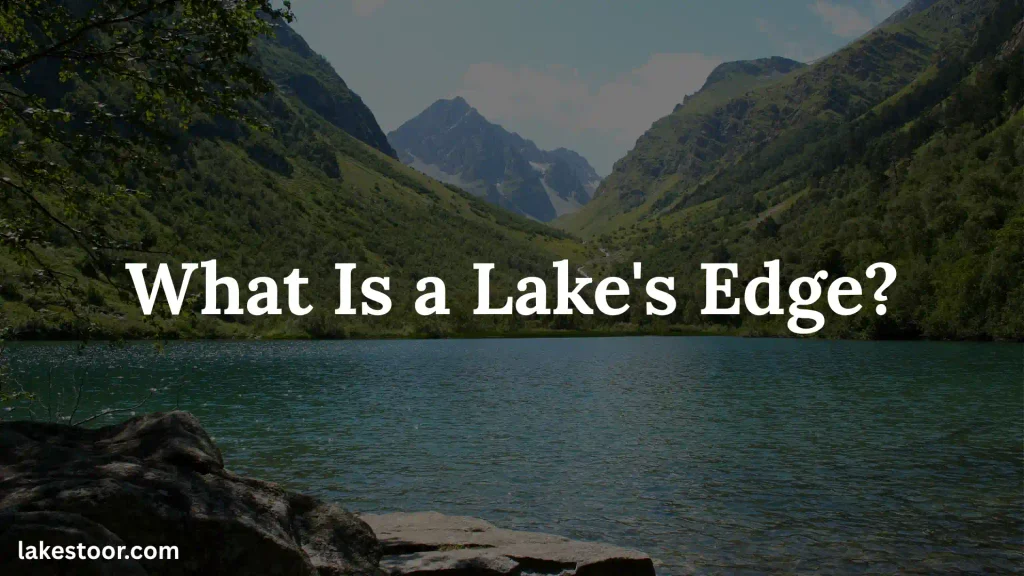
A lake’s edge, also called a lakeshore or shoreline, is the boundary where a lake’s water meets the surrounding land. Depending on the landscape, this boundary may consist of sand, gravel, rocks, mud, wetlands, or thick vegetation.
Some lake edges slope gently into shallow water, while others drop quickly into deeper areas. The shape and materials of the shoreline depend on factors such as geology, water levels, wave action, weather, and human activity.
The shallow water beside the shoreline is often part of the littoral zone. This zone receives enough sunlight in suitable areas to support aquatic plants. It also provides important habitat for fish, insects, amphibians, and other freshwater organisms.
A lake’s edge isn’t always a fixed boundary. Seasonal changes, rainfall, drought, flooding, and reservoir operations can cause water levels to rise or fall, exposing or covering parts of the shore.
Why Is the Edge of a Lake Important?
Lake edges perform several ecological functions. They connect the aquatic environment with the surrounding land and help maintain the natural balance of freshwater ecosystems.
Protecting Water Quality
Vegetation along a natural shoreline helps slow rainwater runoff before it enters the lake. Grasses, shrubs, and trees can trap sediment and absorb some nutrients carried from nearby land.
Without adequate vegetation, soil, fertilizers, and other pollutants may reach the water more easily. Excess nutrients can encourage unwanted algae growth, potentially affecting water quality and aquatic life.
Preventing Shoreline Erosion
Water movement, wind, and rainfall can gradually wear away the land around a lake. Plant roots help hold soil together, while rocks and other natural features can reduce erosion in suitable locations.
Removing vegetation or replacing a natural shoreline with poorly designed structures can increase erosion in some areas. The effect depends on local conditions, including the slope, soil type, waves, and water levels.
Providing Habitat for Wildlife
Lake edges support a wide range of wildlife because they contain both aquatic and terrestrial habitats.
Common examples include:
- Birds that feed on fish, insects, and aquatic plants.
- Frogs and other amphibians that depend on suitable wetland or shallow-water habitats.
- Fish that use submerged vegetation, woody debris, and shallow areas for shelter or reproduction.
- Turtles and other reptiles that use appropriate shoreline habitats for feeding, resting, or nesting.
- Insects and small invertebrates that provide food for larger animals.
The exact species depend on the lake’s location, climate, water quality, and surrounding habitat.
Regulating Water Temperature
Trees and shrubs can shade portions of the shoreline and nearby shallow water. This shade may reduce direct solar heating in those areas, helping create cooler conditions for organisms that need them.
Vegetation also contributes organic material, such as fallen leaves and branches, which supports food webs and provides shelter for aquatic organisms.
Common Types of Lake Edges
Not every lake has the same kind of shoreline. Understanding the differences can help you recognize the landscape, wildlife, and activities a particular lake may support.
| Type of lake edge | Main characteristics | Common features |
| Sandy shoreline | Loose sand with a relatively gentle slope in many locations | Beaches and recreational areas |
| Rocky shoreline | Exposed rocks, stones, or bedrock | Crevices, rocky ledges, and wave-exposed areas |
| Vegetated shoreline | Grasses, shrubs, trees, or aquatic plants | Wildlife habitat and natural cover |
| Marshy shoreline | Waterlogged soil and wetland vegetation | Reeds, sedges, amphibians, and waterbirds |
| Muddy shoreline | Fine sediment and soft ground | Mudflats and sediment-rich habitats |
| Artificial shoreline | Human-built or modified edges | Seawalls, docks, retaining structures, and boat ramps |
These categories can overlap. A single lake may have sandy beaches on one side, steep rocky banks on another, and wetlands where streams enter the water.
Sandy Lake Edges
Sandy lake edges are often popular for walking, relaxing, and swimming where local rules and water conditions permit. Their gentle appearance can make them accessible to visitors, although the actual depth and bottom conditions vary.
Sand can shift with waves, currents, and changing water levels. Some sandy shores are natural, while others have been modified or created for recreation.
Rocky Lake Edges
Rocky shorelines are common in mountainous regions and landscapes shaped by glacial activity. Large rocks and submerged ledges can provide hiding places for aquatic organisms.
These shorelines may offer striking views and opportunities for photography. However, wet rocks can be slippery, and underwater surfaces may be uneven.
Vegetated Lake Edges
Vegetated shorelines contain trees, shrubs, grasses, reeds, or aquatic plants. They often provide more complex habitat than a shoreline cleared of vegetation.
Plants help stabilize the soil, provide shade, and create shelter for wildlife. They also give natural lake edges a distinctive appearance that changes with the seasons.
Marshy Lake Edges
Marshy edges form where shallow water and saturated soils support wetland plants. These areas can be especially important for amphibians, waterbirds, aquatic insects, and other wildlife.
Wetlands may also store water and trap sediment. Because muddy ground can be unstable, visitors should use established paths and avoid disturbing sensitive vegetation.
Plants Commonly Found Along a Lake’s Edge
Plants near a lake grow in different conditions depending on water depth, soil moisture, sunlight, and seasonal flooding.
Emergent Aquatic Plants
Emergent plants grow in shallow water or saturated soil, with stems and leaves extending above the water’s surface. Reeds, cattails, and some sedges are familiar examples.
These plants can provide nesting material, shelter, and feeding areas for wildlife. They may also slow water movement and help trap sediment.
Floating Plants
Floating plants either rest on the water’s surface or have leaves that float while their roots remain anchored in the lakebed.
Their presence can provide cover for certain aquatic organisms. However, excessive growth of some species can interfere with recreation or indicate changes in nutrient conditions.
Submerged Plants
Submerged plants grow mainly underwater, particularly in areas where enough light reaches the bottom.
They can provide shelter for small fish, support aquatic invertebrates, and contribute oxygen during photosynthesis. Their ecological role varies with species, water conditions, and growth patterns.
Trees and Shrubs
Trees and shrubs along the shoreline help hold soil in place and create shaded areas. Overhanging branches may also provide insects, leaves, and woody material that contribute to the lake’s food web.
Native vegetation is generally a sensible choice for shoreline restoration because it is suited to local environmental conditions. Removing all plants to create a perfectly manicured edge can reduce habitat quality and increase runoff.
Wildlife That Lives Near Lake Edges
The boundary between land and water creates opportunities for many species to feed, reproduce, rest, and find shelter.
Birds
Herons, ducks, geese, kingfishers, and other water-associated birds may use lake edges, depending on the region. Some hunt in shallow water, while others feed on vegetation, seeds, or insects.
Trees and shrubs can also provide nesting or resting sites for certain bird species.
Fish
Many fish use shallow shoreline habitats at some point in their lives. Aquatic plants, submerged logs, rocks, and other structures can offer shelter from predators and create feeding opportunities.
Some species also use shallow areas for spawning. The importance of these habitats varies by fish species and lake conditions.
Amphibians and Reptiles
Frogs, salamanders, and some turtles depend on suitable aquatic and shoreline environments. Wetlands and vegetated shallows can be especially valuable to species that need both water and land during their life cycles.
Visitors should avoid handling wildlife or disturbing nests, eggs, and breeding areas.
Insects and Small Invertebrates
Aquatic insects, snails, worms, and other small invertebrates live in or around shoreline sediments and vegetation. They form an important part of the food web by providing nourishment for fish, birds, and amphibians.
A diverse shoreline habitat can support a wider range of feeding and shelter opportunities than a simplified, heavily modified edge.
Activities You Can Enjoy at a Lake’s Edge
Lake edges attract visitors for relaxation, recreation, and outdoor exploration. The activities available depend on public access, local regulations, water quality, weather, and the lake’s physical characteristics.
Walking and Relaxing
A natural lakeshore can be a pleasant place to walk, enjoy the scenery, or sit beside the water. Established paths and designated viewing areas help visitors explore without damaging sensitive vegetation.
Choose stable ground and stay clear of eroding banks or areas marked as restricted.
Photography and Birdwatching
Lake edges offer opportunities to photograph reflections, changing light, aquatic plants, and wildlife. Early morning and late afternoon may provide attractive lighting, although wildlife activity varies.
For birdwatching, bring binoculars and keep a respectful distance from nesting and feeding areas.
Fishing
Shore fishing is possible at many lakes where fishing is permitted. Vegetated edges, submerged structures, and shallow-water areas may attract certain fish species.
Before fishing, check local licensing requirements, seasonal rules, catch limits, and any restrictions on particular areas.
Swimming and Water Recreation
Some lakes have designated swimming beaches or areas for kayaking and paddleboarding. However, a lake edge isn’t automatically safe or suitable for entering the water.
Check for swimming advisories, water quality warnings, changing depths, submerged obstacles, and local restrictions. Use designated access points where available.
Camping and Picnicking
Some lakeside parks provide picnic areas and designated campsites. Others protect sensitive shoreline habitats and prohibit camping or fires near the water.
Confirm access and facility rules before planning a visit. Pack out rubbish and avoid leaving food or waste that could attract wildlife.
How Lake Edges Differ From Lakefronts and Littoral Zones
These terms are related, but they don’t mean exactly the same thing.
| Term | Meaning |
| Lake edge | The general boundary where lake water meets land |
| Lakeshore or shoreline | The strip or boundary along the side of a lake |
| Littoral zone | The shallow nearshore water area where light can support plant growth, depending on local conditions |
| Lakefront | Land or property directly adjoining a lake, often used in residential or real estate contexts |
| Riparian area | Land alongside a waterbody, including vegetation and habitat influenced by the nearby water |
For example, a lakefront property may include a house and garden beside a lake. Its shoreline is the boundary along the water, while the littoral zone extends into the shallow water nearby.
These distinctions are useful when reading geographic studies, environmental guidance, property descriptions, or outdoor recreation information.
Threats to Natural Lake Edges
Lake edges can be damaged by natural processes and human activities. Some changes occur gradually, while others can significantly alter habitat and water quality.
Shoreline Development
Construction, road building, and intensive landscaping can remove vegetation and replace natural surfaces with hard structures.
Such changes may reduce wildlife habitat, alter water movement, and increase runoff. The effects depend on the scale of development and the design of the shoreline.
Pollution and Excess Nutrients
Fertilizers, pesticides, litter, oil, and sediment can enter lakes through runoff. Excess nutrients may contribute to algae blooms, some of which can produce toxins harmful to people and animals.
Keeping pollutants away from drains and waterways helps reduce these risks.
Invasive Species
Non-native plants and animals can spread through lakes and alter existing ecosystems. Some invasive aquatic plants form dense growth that changes habitat conditions or interferes with recreation.
Boaters and anglers can help prevent their spread by following local guidance for cleaning, draining, and drying equipment.
Changing Water Levels
Drought, flooding, seasonal variation, and water-management practices can expose or inundate shoreline areas.
Large or unusually timed changes may affect vegetation, fish habitat, erosion, and shoreline organisms. These effects depend on the lake’s natural conditions and how water levels change.
How to Protect a Lake’s Edge
You don’t need to own lakeside property to help protect shoreline environments. Small, responsible actions can reduce damage and keep natural areas healthier.
- Leave native vegetation in place: Avoid clearing shoreline plants unless there’s a sound management reason.
- Dispose of waste properly: Never leave plastic, fishing line, food packaging, or other rubbish beside the water.
- Prevent polluted runoff: Use fertilizers and chemicals carefully, following local environmental guidance.
- Respect wildlife: Observe animals from a distance and avoid disturbing nesting or breeding areas.
- Use designated access points: Paths, boat launches, and swimming areas help limit damage to sensitive habitats.
- Follow local rules: Respect fishing restrictions, fire regulations, boating requirements, and protected areas.
- Support shoreline restoration: Where appropriate, native plants and carefully planned erosion-control measures can help restore damaged edges.
A healthy lake edge benefits both wildlife and people. Protecting it helps preserve water quality, natural scenery, and the outdoor experiences that make lakes valuable to surrounding communities.
Frequently Asked Questions About Lakes Edge
What does “lakes edge” mean?
“Lakes edge” generally refers to the shoreline where a lake meets the surrounding land. It can also describe the natural habitat, recreational setting, or property located beside a lake.
What is the edge of a lake called?
The edge of a lake is commonly called its shoreline or lakeshore. In ecological discussions, the shallow water next to the shore may be described as the littoral zone.
What lives at the edge of a lake?
Depending on the location, lake edges may support fish, frogs, turtles, waterbirds, insects, snails, aquatic plants, reeds, grasses, shrubs, and trees.
Why are lake edges important?
Lake edges provide habitat, help reduce erosion, filter some runoff, and connect aquatic ecosystems with surrounding land. Natural vegetation can also provide shade and shelter for wildlife.
What plants grow along lake edges?
Common examples include reeds, cattails, sedges, grasses, shrubs, trees, floating plants, and submerged aquatic vegetation. The species depend on the climate, water depth, and local habitat.
Can you swim at a lake’s edge?
Swimming is possible at designated areas of some lakes, but not every shoreline is suitable. Check local regulations, water quality advisories, depth, currents, and underwater hazards before entering the water.
What is the difference between a lake edge and a lakefront?
A lake edge is the boundary between the water and the land. Lakefront usually refers to land or property directly beside the lake, especially in real estate and accommodation descriptions.
How can you protect the edge of a lake?
Protect native vegetation, prevent litter and pollutants from entering the water, stay on designated paths, respect wildlife, and follow local rules for fishing, boating, and shoreline use.
Are all lake edges natural?
No. Some shorelines remain largely natural, while others have been modified with docks, seawalls, retaining structures, roads, or artificial beaches. Many lakes have a mixture of natural and developed edges.
Conclusion
A lake’s edge is much more than the point where water meets land. It is an important transition zone that supports wildlife, protects soil, influences water quality, and provides space for outdoor recreation.
Whether a shoreline is sandy, rocky, marshy, or covered with vegetation, its features shape the character of the lake and the organisms that depend on it. Preserving natural shoreline habitats helps maintain healthier freshwater ecosystems while allowing people to enjoy lakes responsibly.

Hello, I’m Oliver Whitmore, and I’ve spent years exploring Britain’s beautiful lakes as well as freshwater landscapes across Europe and beyond. I enjoy researching the history, geography, wildlife, and cultural significance of lakes, then turning that knowledge into practical, easy-to-understand articles.
I believe every lake tells a story, whether it’s shaped by ancient glaciers, surrounded by legends, or home to remarkable wildlife. Through my writing, I hope to help readers discover the beauty and importance of these natural wonders.
Books I’ve Written:
- Britain’s Hidden Lakes
- The Freshwater Explorer’s Handbook