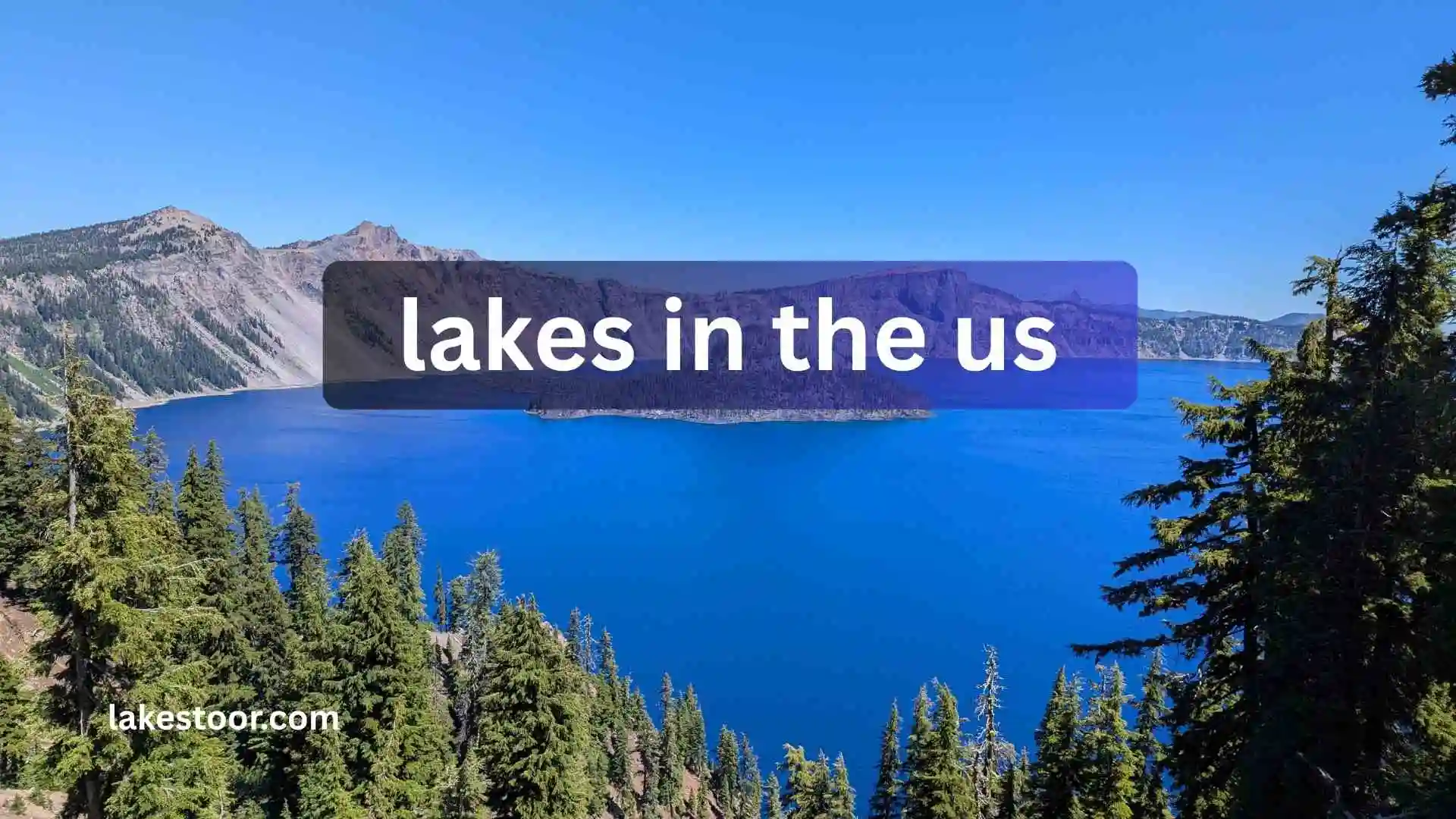
Have you ever stood at the edge of a vast, glass-like expanse of water and felt the rest of the world just melt away? I know that exact feeling, and it is precisely what draws me back to America’s incredible lakes time and time again. There is something deeply magical about the way the sky stretches out and mirrors itself in these liquid horizons, whispering quiet invitations to leave our worries behind.
When you pack your bags and head out to explore, you aren’t just visiting a body of water—you are stepping into a living landscape brimming with stories. Whether I am watching the sunrise paint the rugged edges of a pristine alpine basin or listening to the gentle lapping of waves against a sun-warmed shore, I find a profound sense of peace there. These hidden gems and legendary basins offer a much-needed sanctuary for your soul, waiting patiently for you to discover them.
So, are you ready to embark on this journey with me and dive into some of the most breathtaking lakes the United States has to offer? I promise that once you experience the raw beauty of these aquatic wonders, you will feel just as captivated as I am. Let’s turn the page together and explore the gorgeous shores that are calling your name right now.
Are Lakes in the US Worth Visiting?(Quick Answer)
Yes, lakes in the US are absolutely worth visiting because they offer a wide mix of outdoor activities, scenic views, family-friendly recreation, romantic settings, event spaces, fishing, boating, camping, dining, and relaxing weekend escapes. The best lake for you depends on your travel style. A family may want a safe swimming area, restrooms, picnic tables, and easy parking. A couple may prefer lake-view cabins, sunset dining, quiet trails, or a wedding venue. Outdoor lovers may care more about boating, hiking, camping, fishing, or national park access.
Before visiting or booking, confirm current rules, fees, water conditions, boat rental availability, pet policies, swimming access, parking, seasonal closures, and event schedules. Many lakes are managed by different agencies, including state parks, local governments, private resorts, marinas, federal recreation areas, or the U.S. Army Corps of Engineers. USACE notes that it manages hundreds of lake and river recreation projects across many states, which means rules and amenities can vary widely by location.
Lakes in the US Quick Facts
| Fact | Helpful Details |
| Name | Lakes in the US |
| Location | Found across all regions of the United States |
| Region | Northeast, Midwest, South, West, Pacific Northwest, Mountain West, Great Lakes region, and more |
| Type of place | Natural lakes, reservoirs, recreation lakes, state park lakes, national park lakes, resort lakes, and local community lakes |
| Main attractions | Lake views, boating, fishing, swimming, camping, hiking, dining, photography, wildlife viewing, and events |
| Best for | Families, couples, outdoor lovers, boaters, anglers, campers, photographers, wedding couples, and weekend travelers |
| Known for | Scenic shorelines, freshwater recreation, lakefront towns, national parks, cabins, marinas, and summer vacations |
| Activities | Kayaking, paddleboarding, boating, fishing, swimming, hiking, picnicking, camping, scenic drives, and lake cruises |
| Dining options | Vary by destination; some lakes have restaurants, marinas, cafés, resorts, or nearby lake towns |
| Event/wedding options | Available at many lakefront resorts, lodges, golf clubs, parks, and private venues |
| Nearby cities | Depends on the lake; many popular lakes sit near major metro areas, small towns, or mountain communities |
| Booking tip | Reserve lodging, campsites, boat rentals, tee times, and wedding venues early during peak season |
What Are Lakes in the US?
Lakes in the US include a wide range of freshwater destinations, from the massive Great Lakes to small community lakes used for fishing, walking, and weekend picnics. Some are natural lakes shaped by glaciers, rivers, or mountain basins. Others are reservoirs created for water supply, flood control, hydropower, or recreation.
For travelers, lakes are not just bodies of water. They are local attractions, outdoor activity hubs, family gathering places, wedding backdrops, camping destinations, fishing spots, and quiet retreats. A lake can be a full vacation destination, like Lake Tahoe or Lake Michigan, or it can be a simple day trip near your city.
People search for lakes in the US for many reasons. Some want the best lake vacations. Others want safe swimming lakes, fishing lakes, camping lakes, lake resorts, public parks, boating destinations, or lakefront wedding venues. Because the United States has so many different landscapes, lake experiences vary a lot by region.
The Great Lakes are especially important because they are among the largest freshwater systems in the world. The EPA describes the Great Lakes as one of the world’s largest surface freshwater ecosystems, holding about 84% of North America’s surface fresh water and about 21% of the world’s surface fresh water supply.
Where Are Lakes in the US Located?
Lakes in the US are spread across every major region. The Midwest and Great Lakes states are known for large freshwater shorelines, lake towns, beaches, and boating communities. Michigan, Wisconsin, Minnesota, Ohio, Illinois, Indiana, Pennsylvania, and New York all offer strong lake travel options.
The Mountain West has dramatic alpine lakes with clear water, pine forests, rocky peaks, hiking trails, and scenic drives. Colorado, Montana, Wyoming, Utah, Idaho, and California are popular for mountain lake trips.
The South has warm-weather lakes that are often popular for boating, fishing, lake homes, golf communities, and family vacations. States like Texas, Georgia, Tennessee, Alabama, Arkansas, North Carolina, and South Carolina have many reservoirs and recreation lakes.
The Northeast has charming lake towns, historic resorts, fall foliage, hiking, and family-friendly summer destinations. New York, Vermont, Maine, New Hampshire, Massachusetts, and Pennsylvania are strong options for travelers who want lakes with small-town character.
Location matters because it affects weather, travel time, activities, crowd levels, lodging prices, dining options, and the best time to visit. For example, a lake near a major city may be easier for a day trip but more crowded on weekends. A remote mountain lake may be more peaceful but require more planning, driving, and seasonal awareness.
History and Background
Lakes have shaped American travel, local economies, recreation, and community life for generations. Many lake towns grew around fishing, shipping, farming, rail travel, logging, mining, tourism, or summer resorts. In other areas, reservoirs were built to support drinking water, flood control, irrigation, power generation, and public recreation.
The Great Lakes have deep historical importance because they supported Indigenous communities, trade routes, shipping, industry, immigration, tourism, and regional identity. Smaller inland lakes also carry local meaning. Some are tied to family cabins, annual fishing trips, summer camps, church retreats, public parks, wedding memories, and school vacations.
Today, lakes in the US continue to serve both practical and emotional purposes. They provide recreation, habitat, water resources, tourism income, and quiet places where people can step away from busy daily life.
Main Experience at Lakes in the US
Scenic Views
The biggest reason many people love US lakes is simple: the view. Lake views can feel peaceful, open, and refreshing. Depending on the destination, you may see sandy beaches, forested shorelines, mountain reflections, rocky cliffs, city skylines, wetlands, marinas, sailboats, or sunset colors across the water.
For photography, early morning and sunset are often the best times. Morning can bring calm water and soft light. Evening can bring warmer colors, reflections, and a quieter mood after day-use crowds leave.
Lake Activities
Lake activities depend on the specific destination. Common options include swimming, boating, kayaking, paddleboarding, fishing, hiking, picnicking, camping, wildlife viewing, and scenic driving. Some larger lakes also offer boat tours, dinner cruises, waterfront restaurants, resorts, golf courses, and event venues.
Always check what is actually allowed. Some lakes allow motorboats, while others only allow non-motorized watercraft. Some have public beaches, while others have private shoreline access. Some are ideal for fishing but not swimming.
Boating
Boating is one of the most popular reasons people visit lakes in the US. Larger lakes may have public boat ramps, marinas, fuel docks, boat rentals, slips, and guided tours. Smaller lakes may offer kayaks, canoes, paddleboards, or rowboats.
Before boating, confirm launch fees, permits, rental rules, life jacket requirements, weather conditions, and water levels. Federal and local agencies often update boating rules based on safety, drought, flooding, construction, or environmental conditions.
Fishing
Fishing lakes attract both serious anglers and casual families. Depending on the region, common freshwater fish may include bass, trout, walleye, catfish, crappie, perch, pike, salmon, or bluegill.
Fishing rules vary by state and lake. You may need a fishing license, and there may be limits on size, season, bait, and daily catch. Always check the state wildlife agency or local lake authority before fishing.
Swimming
Not every lake is safe or approved for swimming. Some lakes have designated beaches with lifeguards, restrooms, changing areas, and marked swim zones. Others may have rough shorelines, drop-offs, boat traffic, bacteria advisories, algae blooms, cold water, or no supervised swimming.
For families, a designated swimming beach is usually the safest choice. Check water quality alerts, weather, lifeguard availability, and posted signs before entering the water.
Hiking
Many lakes have trails around the shoreline or nearby hills. Hiking can be one of the best ways to enjoy scenic views without needing a boat. Lakes in national parks, state parks, forests, and recreation areas often have trails ranging from easy loops to difficult backcountry routes.
Bring water, sun protection, proper shoes, and a map. In mountain areas, weather can change quickly.
Camping
Camping near a lake can be a memorable experience, especially for families and outdoor lovers. Options may include tent sites, RV sites, cabins, yurts, alternative campsites, group camps, and private campgrounds.
Popular lakes often book up early for summer weekends, holidays, and fall foliage season. Recreation.gov is commonly used for many federal recreation reservations, while state parks and private campgrounds use their own systems. The National Park Service also encourages visitors to plan ahead through official park resources.
Dining
Dining around US lakes can range from casual marina food to lakefront fine dining, resort restaurants, food trucks, cafés, breweries, and small-town diners. Some lake destinations have strong dining scenes, while remote lakes may have limited food options.
If dining matters to your trip, check current menus, hours, reservation policies, seasonal closures, and whether the restaurant is open to the public or only to resort guests, club members, or event clients.
Photography
Lakes are excellent for photography because water adds movement, reflection, light, and depth. Good photo ideas include sunrise, sunset, docks, boats, wildlife, fall colors, mountain reflections, family portraits, engagement photos, and wedding portraits.
Some parks or venues may require permits for professional photography, especially for weddings, commercial shoots, or large groups.
Family Activities
Families often enjoy beaches, picnic areas, easy trails, boat rides, playgrounds, fishing piers, nature centers, campgrounds, and simple shoreline walks. The best family-friendly lakes usually have restrooms, safe parking, shade, food nearby, and clear rules.
Things to Do at Lakes in the US
Here are practical things readers can enjoy at many US lake destinations:
- Take a scenic walk: Choose a lake with an easy loop trail, boardwalk, paved path, or waterfront park.
- Plan a picnic: Look for shaded tables, grills, restrooms, and parking close to the picnic area.
- Go kayaking or paddleboarding: Calm lakes are often easier for beginners than rivers or ocean water.
- Book a boat rental: Confirm rental age rules, deposits, fuel policies, and weather cancellation terms.
- Try fishing: Check state license rules and ask local bait shops about beginner-friendly spots.
- Watch the sunset: West-facing shorelines often offer the best evening views.
- Visit nearby lake towns: Many lake areas have shops, coffee spots, ice cream, breweries, and local restaurants.
- Camp overnight: Reserve early and check whether the campsite has showers, electric hookups, or lake access.
- Book a lakefront stay: Cabins, lodges, resorts, and vacation rentals can turn a quick trip into a full getaway.
- Compare wedding venues: Lake-view venues can be beautiful, but couples should ask detailed questions before booking.
Best Time to Visit Lakes in the US
The best time to visit lakes in the US depends on the region and the type of trip you want.
Summer is the most popular season for swimming, boating, camping, family vacations, and lake resorts. It also brings higher prices, bigger crowds, busier parking lots, and more competition for lodging and rentals.
Spring can be beautiful for hiking, fishing, wildflowers, and fewer crowds. However, water may be cold, trails may be muddy, and some seasonal businesses may not be fully open.
Fall is one of the best times for couples, photographers, road trips, cabin stays, and peaceful lake views. In places like New England, the Midwest, Pennsylvania, and the Mountain West, fall foliage can make lake scenery especially beautiful.
Winter is best for travelers who enjoy quiet views, snow scenery, ice fishing, winter cabins, or ski-and-lake destinations. However, many lake services, marinas, campgrounds, restrooms, and dining spots may close or reduce hours.
Are Lakes in the US Good for Families?
Yes, many lakes in the US are excellent for families, but the right choice matters. A good family lake should have safe access, restrooms, parking, picnic areas, easy walking paths, shade, food options, and clear rules.
For younger children, look for designated swim beaches, shallow areas, lifeguard information, playgrounds, and calm water. For older kids, kayaking, paddleboarding, fishing, boat tours, biking, and camping can make the trip more fun.
Family planning tips:
- Check parking before you go.
- Bring snacks, water, towels, sunscreen, and extra clothes.
- Confirm whether swimming is allowed.
- Look for restrooms and changing areas.
- Watch for sudden drop-offs near shore.
- Keep children away from boat ramps and busy docks.
- Bring properly fitted life jackets for water activities.
- Check weather before driving to the lake.
Are Lakes in the US Good for Couples?
Yes, lakes can be great for couples because they offer peaceful settings, scenic views, quiet walks, sunset photos, lakefront dining, cabin stays, and romantic weekend trips. Couples may enjoy a simple picnic, a paddleboard outing, a scenic drive, a lakeside resort, or a dinner reservation with water views.
Lakes are also popular for proposals, engagement photos, elopements, wedding ceremonies, and anniversary trips. If you want a romantic visit, choose a lake with quiet viewpoints, nearby restaurants, comfortable lodging, and fewer crowds.
For a more private feel, visit on weekdays, early mornings, shoulder seasons, or outside holiday weekends.
Weddings and Events at Lakes in the US
Many lakes in the US work well for weddings and private events, especially when the venue offers lake views, indoor backup space, catering, lodging, parking, and photo-friendly scenery. Lakefront resorts, golf clubs, lodges, parks, country clubs, restaurants, and private estates may host weddings, retreats, reunions, corporate events, and milestone celebrations.
A lake wedding can feel relaxed, natural, and memorable. The setting often provides a built-in backdrop, which can reduce the need for heavy décor. However, lake events also need careful planning because weather, wind, bugs, parking, sound rules, vendor access, and guest comfort can affect the day.
Wedding Planning Questions to Ask
Before booking a lake wedding or event venue, ask:
- What ceremony locations are available?
- What is the rain backup plan?
- What is the guest capacity?
- Are food and beverage packages available?
- Are bar packages available?
- Are outside vendors allowed?
- Is parking available?
- Are tables, chairs, linens, and setup included?
- Are there service charges or taxes?
- What is the deposit and cancellation policy?
- Are there photo restrictions?
- Is there a noise ordinance or music curfew?
- Are getting-ready rooms available?
- Is the lakefront area private during the event?
- Are there nearby hotels for guests?
Dining and Food Options
Dining options near lakes in the US vary widely. Some lake destinations have full-service waterfront restaurants, resort dining, marinas, cafés, bars, food trucks, ice cream shops, and breweries. Others may only have picnic areas or a small seasonal snack stand.
Before visiting, check current dining hours and menus. Lake restaurants can be seasonal, especially in colder states or resort towns. Some restaurants close during winter, reduce weekday hours, or require reservations during summer weekends.
For families, check whether the dining spot has kid-friendly menus, outdoor seating, high chairs, restrooms, and casual service. For couples, look for sunset views, reservation options, quieter seating, and nearby walking areas.
How Much Do Lakes in the US Cost?
The cost of visiting lakes in the US depends on the lake, location, season, and activities. Do not assume every lake is free. Some public lakes have entrance fees, parking fees, boat launch fees, camping fees, or rental costs. Private lake resorts, marinas, golf clubs, and event venues can cost much more.
Common cost factors include:
| Cost Item | What to Expect |
| Entry fees | Some parks charge per vehicle or per person |
| Parking | Free at some lakes, paid or limited at others |
| Boat launch | May require a daily fee, annual pass, or permit |
| Rentals | Kayaks, paddleboards, pontoons, fishing boats, and jet skis vary by market |
| Camping | Costs vary by tent site, RV site, cabin, amenities, and season |
| Dining | Casual snacks may be affordable, while lakefront restaurants can be higher |
| Golf tee times | Relevant at lakes with nearby golf courses or resort communities |
| Weddings | Costs depend on venue, guest count, catering, bar, rentals, season, and service fees |
| Private events | Pricing may vary by room, date, food minimums, setup, staffing, and package |
| Seasonal pricing | Summer weekends and holidays are often more expensive |
| Group packages | Some parks, resorts, and venues offer group rates or event packages |
Always confirm directly with the official park, marina, resort, venue, or recreation authority before budgeting. Exact prices, policies, deposits, taxes, and service charges can change.
Review Summary: What Visitors Commonly Like
Across many lake destinations, visitors commonly praise the scenery, relaxing atmosphere, outdoor activities, family-friendly spaces, clean views, picnic areas, boating access, fishing, sunset spots, and local charm. Couples often like the peaceful mood and photo opportunities. Families appreciate easy activities that do not require complicated planning. Outdoor visitors often value trails, campgrounds, wildlife, and water access.
For lake resorts, golf communities, and wedding venues, positive review themes often include helpful staff, lake views, event coordination, food, clean grounds, and memorable photo backdrops. For public parks and recreation lakes, visitors often care most about parking, restrooms, cleanliness, safety, crowd levels, and clear signage.
Balanced review advice: read recent reviews, not only old ones. A lake can change from season to season because of water levels, staffing, construction, algae advisories, weather damage, or new management policies.
Possible Concerns to Check Before Visiting or Booking
Before choosing a lake, check possible concerns such as:
- Weather: Storms, wind, heat, smoke, flooding, or cold water can affect plans.
- Crowds: Summer weekends and holidays can be very busy.
- Parking: Popular beaches and boat ramps may fill early.
- Pricing changes: Fees, rental rates, and event costs may change by season.
- Seasonal closures: Campgrounds, restrooms, marinas, and restaurants may close in the off-season.
- Event availability: Wedding venues and group shelters may book months ahead.
- Dining hours: Lakefront dining can be seasonal or reservation-only.
- Water safety: Check swimming rules, bacteria alerts, algae blooms, currents, and boating zones.
- Private events: Some venues or lakefront areas may close to the public during weddings or private functions.
- Pet rules: Dogs may be limited on beaches, trails, boats, or restaurant patios.
- Accessibility: Not every lake has paved paths, accessible restrooms, or easy shoreline access.
Who Should Visit Lakes in the US?
Lakes in the US are ideal for:
- Families who want simple outdoor fun, picnics, beaches, boating, and camping.
- Couples looking for peaceful views, romantic trips, proposals, or weekend getaways.
- Golfers visiting lake resorts or golf communities with scenic courses nearby.
- Event planners searching for lake-view venues, retreats, reunions, or corporate gatherings.
- Wedding couples who want a natural backdrop and outdoor ceremony options.
- Outdoor lovers interested in hiking, fishing, kayaking, camping, and wildlife.
- Photographers looking for sunrise, sunset, reflections, and natural scenery.
- Local visitors who want a day trip without expensive travel.
- Tourists building a road trip around national parks, state parks, or lake towns.
- Corporate groups planning retreats near resorts, lodges, golf courses, or event spaces.
Who May Not Find It Ideal?
A lake trip may not be ideal for everyone. You may want a different option if you dislike bugs, heat, crowds, outdoor bathrooms, unpredictable weather, or limited dining choices. Some remote lakes require long drives, early starts, limited cell service, or a willingness to bring your own food and supplies.
Lakes may also be less ideal if you need luxury amenities but choose a basic public recreation area. On the other hand, a private lake resort may not be ideal if you are looking for a low-cost day trip. The best choice depends on expectations.
Pros and Cons of Lakes in the US
Pros
- Wide variety of destinations across the country
- Great for families, couples, and outdoor travelers
- Many options for boating, fishing, hiking, camping, and swimming
- Beautiful scenic views and photography opportunities
- Strong options for weddings and private events
- Can be budget-friendly if you choose public parks
- Many lakes are close to small towns, restaurants, and attractions
- Good for day trips, weekend getaways, and longer vacations
- Seasonal variety, from summer boating to fall foliage
- Some lakes offer golf, dining, resorts, and event spaces nearby
Cons
- Crowds can be heavy during summer weekends and holidays
- Weather can change plans quickly
- Swimming may not be allowed at every lake
- Parking may be limited at popular beaches and boat ramps
- Costs vary widely and can be higher at resorts or private venues
- Some amenities are seasonal
- Water quality alerts or algae blooms may affect access
- Boat traffic can make some areas noisy or less relaxing
- Remote lakes may have limited food, restrooms, or cell service
- Wedding and event rules may be strict or expensive
Tips Before Visiting Lakes in the US
For First-Time Visitors
Start with a lake that matches your comfort level. If you want an easy day trip, choose a public lake park with parking, restrooms, marked trails, and nearby food. If you want a full vacation, compare lodging, lake access, restaurants, rentals, and nearby attractions.
Check the official source before leaving. Look for current hours, fees, closures, water alerts, pet rules, and parking updates.
For Families
Choose a lake with safe swimming areas, restrooms, shade, easy parking, and food nearby. Bring more water and snacks than you think you need. Pack sunscreen, towels, water shoes, dry clothes, and life jackets.
Avoid guessing about swimming safety. Look for posted signs and official updates.
For Couples
For a peaceful visit, go early in the morning, near sunset, or during the shoulder season. Look for lakefront dining, scenic overlooks, quiet trails, cabins, resorts, or small towns nearby.
For engagement or wedding photos, ask whether permits are required.
For Event Planners
Visit the venue or lakefront space in person when possible. Ask about parking, guest flow, restrooms, weather backup, setup times, vendor rules, noise limits, and insurance requirements.
Never assume a beautiful lake view means the venue is easy to manage. Logistics matter.
For Golfers
Some lake destinations are near public golf courses, resort courses, or private clubs. Compare tee time availability, dress code, cart rules, course conditions, dining, and distance from lodging.
If you are planning a golf weekend, book tee times early during peak season.
For Diners
Check current menus, hours, reservations, and seasonal schedules. Lakefront restaurants can be busy on weekends, especially near sunset.
If the restaurant is part of a resort, golf club, or private venue, confirm whether it is open to the public.
For Outdoor Visitors
Bring layers, water, sun protection, insect repellent, proper footwear, and a map. Check trail conditions, water levels, fire rules, and weather.
For boating, paddling, or fishing, review safety rules and wear a life jacket.
Nearby Alternatives to Compare
When choosing among lakes in the US, compare nearby alternatives before making a final decision. This is especially useful if you are planning a wedding, family vacation, golf trip, camping weekend, or group event.
Compare:
- Location and driving distance
- Entrance and parking costs
- Recent reviews
- Activities available
- Parking capacity
- Restrooms and amenities
- Wedding or event capacity
- Dining options
- Lake views and scenery
- Family-friendliness
- Distance from hotels
- Boat rental availability
- Swimming access
- Pet rules
- Seasonal closures
- Accessibility needs
For example, if you are planning a trip in Pennsylvania, you might compare lakes near Allentown PA, Lehigh Valley lake parks, Pocono lake resorts, and state park lakes. If you are planning a Midwest vacation, you might compare Lake Michigan beach towns, Minnesota lake cabins, Wisconsin lake resorts, and Great Lakes road trip stops.
Lakes in the US vs Other Local Options
Lakes in the US offer a different experience from beaches, rivers, amusement parks, golf-only resorts, and city attractions. A beach trip often focuses on ocean waves and sand. A river trip may be better for rafting or tubing. A city trip may offer restaurants, museums, nightlife, and shopping. A golf resort may focus mainly on tee times and clubhouse amenities.
Lake destinations often blend several experiences in one place. You can relax by the water, fish in the morning, take a boat ride, hike a trail, eat near the shoreline, and watch the sunset without needing a packed schedule. That flexibility makes lakes especially useful for mixed groups where some people want adventure and others want rest.
However, not all lakes are equal. A local park lake may be perfect for a picnic but not for a full vacation. A large resort lake may be beautiful but expensive. A remote mountain lake may be peaceful but harder to access. The best choice is the one that fits your budget, travel distance, activity list, and comfort level.
Suggested Internal Links for Your Website
- Best lakes near [City/State]
- Best family-friendly lakes in [State]
- Best lake resorts in [State]
- Best fishing lakes near [City]
- Best camping lakes in [State]
- Best lakes near Allentown PA
- Best things to do in the Lehigh Valley
- Best lake wedding venues in [Region]
- Best public golf courses near [City]
- Best weekend getaways near [City]
Suggested Source Links
For accurate planning, readers should check official and current sources before visiting or booking:
- U.S. Environmental Protection Agency Great Lakes facts and figures for freshwater and regional background.
- U.S. Geological Survey information on Great Lakes and inland water systems.
- U.S. Army Corps of Engineers recreation pages for federal lake and river recreation areas.
- National Park Service official planning resources for lake destinations inside national park units.
- State park websites, local tourism boards, marina websites, and official venue pages for current fees, hours, closures, and rules.
Frequently Asked Questions About Lakes in the US
What are the best lakes in the US to visit?
Some of the most popular lake destinations include the Great Lakes, Lake Tahoe, Lake Powell, Lake George, Flathead Lake, Lake Champlain, Crater Lake, Lake of the Ozarks, Lake Lanier, and many state park lakes. The best choice depends on whether you want swimming, boating, fishing, hiking, camping, dining, or a lake resort.
Are lakes in the US good for family vacations?
Yes, many lakes are excellent for family vacations. Look for designated swim beaches, restrooms, picnic areas, easy parking, nearby lodging, boat rentals, and kid-friendly activities.
What is the best time to visit lakes in the US?
Summer is best for swimming and boating. Spring is good for hiking and fishing. Fall is great for foliage, photography, and quiet trips. Winter works for snow scenery, cabins, and ice fishing in colder regions.
Do lakes in the US charge entry fees?
Some do, and some do not. Public parks may charge vehicle fees, day-use fees, boat launch fees, or camping fees. Private resorts and marinas usually have separate pricing. Confirm directly before visiting.
Is parking usually available at US lakes?
Most developed lake parks have parking, but popular beaches and boat ramps can fill early on summer weekends. Arrive early during peak season.
Can you swim in lakes in the US?
Swimming is allowed at many lakes, but not all. Use designated swim areas when possible and check water quality alerts, lifeguard availability, posted signs, and local rules.
Are US lakes good for boating?
Yes, many lakes are popular for boating. Rules vary by lake, so confirm boat launch access, permits, rental options, speed limits, and safety requirements.
Do you need a fishing license at lakes in the US?
In most cases, yes. Fishing license rules vary by state, age, species, and location. Check the state wildlife agency before fishing.
Are lakes in the US good for weddings?
Many lakefront venues, resorts, lodges, parks, golf clubs, and private estates host weddings. Ask about guest capacity, rain backup, catering, vendor rules, parking, taxes, deposits, and photo restrictions.
Do lake restaurants stay open year-round?
Some do, but many lake restaurants are seasonal or have reduced winter hours. Always check current hours and menus before visiting.
Are dogs allowed at lakes in the US?
Pet rules vary. Some lakes allow dogs on trails or campgrounds but not beaches. Check leash rules, pet fees, and restricted areas before bringing a dog.
Are US lakes safe for kids?
Many are safe when families choose designated areas and follow rules. Watch children closely near water, use life jackets, avoid boat ramps, and check swimming conditions.
What should I bring to a lake?
Bring water, snacks, sunscreen, towels, insect repellent, comfortable shoes, extra clothes, a first-aid kit, chargers, and life jackets for water activities.
Are there lake resorts in the US?
Yes, many states have lake resorts with lodging, dining, boat rentals, golf, spas, cabins, event spaces, and wedding packages.
How do I choose the right lake?
Compare location, cost, activities, reviews, parking, amenities, dining, lodging, safety, and season. Choose based on your group’s needs, not just the prettiest photos.
Are lakes in the US crowded?
Popular lakes can be crowded during summer weekends, holidays, and peak vacation periods. Visit weekdays, mornings, evenings, or shoulder seasons for a quieter experience.
Final Thoughts
Lakes in the US are worth exploring because they offer something for almost every kind of traveler. Families can find beaches, picnic areas, campgrounds, and easy outdoor fun. Couples can enjoy peaceful views, lakefront dining, cabins, photography, and romantic weekend getaways. Outdoor lovers can fish, hike, paddle, camp, and boat. Event planners and wedding couples can find beautiful lake-view settings with natural scenery.
The key is choosing the right lake for your goals. A quiet local lake may be perfect for a simple afternoon. A Great Lakes beach town may work better for a longer trip. A lake resort may fit a wedding, golf weekend, or family vacation. A remote mountain lake may be ideal for hiking and photography.
Before you travel or book, verify current details with the official source. Check fees, hours, parking, water safety, rentals, dining, closures, and event policies. With a little planning, lakes in the US can offer some of the most peaceful, practical, and memorable travel experiences in the country.

Hello, I’m Oliver Whitmore, and I’ve spent years exploring Britain’s beautiful lakes as well as freshwater landscapes across Europe and beyond. I enjoy researching the history, geography, wildlife, and cultural significance of lakes, then turning that knowledge into practical, easy-to-understand articles.
I believe every lake tells a story, whether it’s shaped by ancient glaciers, surrounded by legends, or home to remarkable wildlife. Through my writing, I hope to help readers discover the beauty and importance of these natural wonders.
Books I’ve Written:
- Britain’s Hidden Lakes
- The Freshwater Explorer’s Handbook
 Charlotte Pembroke
 Henry Ashford