Vermont is a place where time slows down just enough for you to catch your breath. Whenever I find myself overwhelmed by the rush of everyday life, I dream of escaping to the quiet embrace of the Green Mountains and its glistening waters. There is a profound magic waiting for you among these hidden shores.
Imagine waking up to a misty dawn where the glassy surface of the water mirrors the endless blue sky. I always feel a deep sense of peace wash over me the moment I dip my toes into these cool, crystal-clear depths. You will quickly discover that these lakes are not just scenic views; they are living, breathing sanctuaries for the soul.
Whether you are looking to chase down a quiet sunset from the bow of a canoe or simply need a safe harbor to clear your mind, Vermont welcomes you with open arms. Let me take you on a journey through the most breathtaking lakes this picturesque state has to offer. I promise you will leave feeling entirely renewed.
Are Lakes in Vermont Worth Visiting?(Quick Answer)
Yes, lakes in Vermont are absolutely worth visiting if you enjoy scenic views, clean outdoor spaces, small-town charm, boating, fishing, swimming, hiking, camping, or peaceful weekend travel. Vermont’s lake destinations work especially well for families, couples, outdoor lovers, photographers, road-trippers, and travelers who want a slower New England experience.
The best lake for you depends on your travel style. Lake Champlain is best for big-water views, ferry rides, Burlington-area dining, boating, and sunset scenery. Lake Willoughby is best for dramatic mountain views and photography. Lake Bomoseen, Lake St. Catherine, Lake Dunmore, and Caspian Lake are strong choices for classic summer lake vacations. Before visiting, confirm parking, beach rules, boat launch access, state park fees, pet rules, swimming conditions, campground availability, and seasonal hours with official Vermont State Parks or local town sources. Vermont Fish & Wildlife also maintains many fishing access areas across the state, which is helpful for boaters and anglers.
Lakes in Vermont Quick Facts
| Feature | Helpful Details |
| Name | Lakes in Vermont |
| Location | Statewide across Vermont, USA |
| Region | New England, Northeastern United States |
| Type of place | Natural lakes, reservoirs, state park lakes, fishing lakes, boating lakes, scenic lake towns |
| Main attractions | Lake Champlain, Lake Willoughby, Lake Bomoseen, Lake St. Catherine, Lake Dunmore, Caspian Lake, Lake Memphremagog, Green River Reservoir |
| Best for | Families, couples, campers, anglers, kayakers, boaters, photographers, road-trippers, outdoor travelers |
| Known for | Mountain views, quiet shoreline towns, boating, swimming, fishing, fall foliage, summer vacations |
| Activities | Swimming, paddling, kayaking, canoeing, fishing, boating, hiking, camping, picnicking, photography |
| Dining options | Strongest near Burlington, Newport, Vergennes, Middlebury, St. Albans, Castleton, and resort areas |
| Event/wedding options | Lakefront inns, resorts, private venues, state park-style outdoor gatherings, and lake-view properties |
| Nearby cities | Burlington, Montpelier, Rutland, Middlebury, Newport, St. Albans, Vergennes |
| Booking tip | Reserve lodging, campsites, boat rentals, and wedding/event venues early for summer and fall weekends |
| Planning reminder | Fees, access rules, water quality alerts, and park hours can change, so confirm current details before visiting |
What Are Lakes in Vermont?
Lakes in Vermont are one of the state’s most loved natural features. They range from large, well-known destinations like Lake Champlain to quiet mountain lakes where the main attraction is stillness, trees, and fresh air.
People search for Vermont lakes for many reasons. Some want the best swimming lakes in Vermont. Others want boating, fishing, kayaking, camping, lake resorts, wedding venues, family-friendly beaches, or scenic drives. Vermont’s lake areas also connect well with local attractions such as hiking trails, covered bridges, farmers markets, ski towns, breweries, inns, and small downtowns.
Unlike beach destinations that feel crowded and commercial, many Vermont lake trips feel slower and more nature-focused. You might spend the morning paddling, eat lunch in a small town, take a short hike in the afternoon, and watch the sunset over the water in the evening.
Vermont’s official tourism identity is strongly tied to outdoor adventure, seasonal travel, food, culture, and scenic landscapes, making lakes a natural part of a Vermont vacation plan.
List of Lakes in Vermont
Vermont mein 800 se zyada lakes and ponds hain, aur state ka lake landscape small woodland ponds se lekar large recreational lakes tak spread hai. Vermont Department of Environmental Conservation ke Lake Score Card mein 823 lakes ka data available hai, including all lakes larger than 20 acres.
Some well-known lakes in Vermont include:
- Lake Champlain
- Lake Memphremagog
- Lake Bomoseen
- Lake Willoughby
- Lake Seymour
- Lake St. Catherine
- Lake Dunmore
- Lake Carmi
- Lake Morey
- Crystal Lake
- Caspian Lake
- Maidstone Lake
- Lake Elmore
- Lake Shaftsbury
- Lake Paran
Vermont ke lakes recreation, fishing, swimming, boating, wildlife habitat aur scenic tourism ke liye important hain.
Lakes in Vermont for Swimming
Vermont mein swimming ke liye kai lakes aur designated beaches available hain. Lake Shaftsbury State Park ek example hai jahan swimming primary attractions mein se ek hai. Lake Shaftsbury approximately 26 acres ka lake hai aur relatively shallow water ke liye known hai.
Swimming ke liye popular options mein Lake Champlain, Lake Bomoseen, Lake St. Catherine, Lake Dunmore, Lake Willoughby aur Lake Shaftsbury jaise destinations include kiye ja sakte hain.
Swimming karne se pehle designated beach, lifeguard availability, water-quality information aur current conditions check karna important hai. Natural lakes mein conditions weather aur water quality ke according change ho sakti hain.
Large Lakes in Vermont
Vermont ke large lakes state ke different regions mein spread hain. Lake Champlain state ka most prominent large water body hai, jabki inland lakes mein Lake Bomoseen, Lake Willoughby, Lake Seymour, Lake Carmi aur Harriman Reservoir notable examples hain.
Vermont DEC ke data ke mutabiq Lake Bomoseen approximately 2,415 acres, Harriman Reservoir approximately 1,949 acres, Seymour Lake approximately 1,777 acres aur Lake Willoughby approximately 1,734 acres cover karte hain.
Large lakes visitors ko swimming, fishing, boating, paddling aur lakeside recreation ke multiple options provide karte hain.
Lakes in Vermont by Size
Vermont lakes ko size ke according compare karte waqt ye important hai ke measurement lake acreage ke basis par ho. State databases mein lakes aur ponds ke area ko acres mein record kiya jata hai.
Kuch larger Vermont water bodies include:
| Lake | Approximate area |
| Lake Bomoseen | 2,415 acres |
| Harriman Reservoir | 1,949 acres |
| Seymour Lake | 1,777 acres |
| Lake Willoughby | 1,734 acres |
| Lake Carmi | 1,415 acres |
| Lake Dunmore | 1,040 acres |
| Lake St. Catherine | 885 acres |
| Caspian Lake | 790 acres |
| Salem Lake | 776 acres |
| Crystal Lake | 772 acres |
These figures illustrate the difference between Vermont’s largest inland lakes and the many smaller ponds found throughout the state.
Lakes in Vermont That Allow Motor Boats
Vermont public waters can support different types of recreation, including motorized boating, but individual lakes may have specific restrictions on speed, watercraft and certain activities.
Examples of larger Vermont lakes where motorized boating is relevant include Lake Bomoseen, Lake Willoughby, Seymour Lake, Lake St. Catherine, Lake Dunmore, Lake Carmi and Harriman Reservoir. However, visitors should not assume that every type of motorboat or every boating activity is allowed everywhere.
Vermont’s Use of Public Waters rules can establish restrictions designed to balance boating with fishing, swimming, wildlife and other recreational uses. Wake-sport rules can also be more specific than ordinary motorboat rules.
Clearest Lakes in Vermont
Vermont has several lakes known for clear or visually appealing water. Lake Willoughby is particularly notable because the Vermont Department of Environmental Conservation describes it among the state’s deep and clear lakes.
Other lakes that are often considered for clear-water recreation include Crystal Lake, Lake St. Catherine, Lake Dunmore and selected smaller mountain lakes.
Water clarity can change throughout the year because of weather, runoff, algae, sediment and natural lake conditions. For that reason, “clearest” is better treated as a descriptive category rather than a permanent scientific ranking.
Biggest Lakes in Vermont
The biggest lakes in Vermont include both very large water bodies and substantial inland lakes. Lake Champlain is by far the state’s most prominent lake by overall size, although only part of its shoreline and surface area lies within Vermont.
Among major inland lakes and reservoirs, Lake Bomoseen, Harriman Reservoir, Seymour Lake and Lake Willoughby are some of the largest. Vermont DEC data lists Lake Bomoseen at roughly 2,415 acres and Harriman Reservoir at roughly 1,949 acres.
These large lakes support a wide range of activities, including fishing, boating, swimming, wildlife viewing and vacation stays.
Lakes in Vermont to Vacation
Vermont lakes can be excellent destinations for a relaxing vacation because they combine water recreation with forests, mountains, small towns and scenic roads.
Lake Champlain works well for travelers looking for a large lake environment with many nearby communities and recreational opportunities. Lake Bomoseen is another option for visitors interested in boating, fishing and lakeside recreation.
For mountain scenery, Lake Willoughby offers a dramatic setting surrounded by steep terrain. Lake St. Catherine, Lake Dunmore and Lake Shaftsbury can also appeal to travelers looking for swimming, hiking, picnicking or quieter outdoor experiences.
The best lake vacation depends on whether your priority is swimming, boating, fishing, hiking, camping or simply enjoying a peaceful shoreline.
List of Lakes in Vermont
A broader Vermont lake list can include:
- Lake Champlain
- Lake Memphremagog
- Lake Bomoseen
- Lake Willoughby
- Lake Seymour
- Lake Carmi
- Lake Dunmore
- Lake St. Catherine
- Lake Morey
- Crystal Lake
- Caspian Lake
- Maidstone Lake
- Lake Elmore
- Lake Shaftsbury
- Lake Paran
- Lake Salem
- Lake Hortonia
- Lake Fairlee
- Lake Rescue
- Lake Ninevah
- Lake Parker
- Lake Averill
- Lake Echo
- Lake Waterbury
- Lake Whitingham
Vermont’s official lake databases contain hundreds of additional lakes and ponds, including many smaller water bodies that are less well known to tourists.
Lakes Near Bennington VT
Visitors around Bennington have several nearby lakes and ponds to explore. Lake Paran is particularly relevant because it lies between North Bennington and South Shaftsbury and is used for swimming, boating and fishing. Vermont state data lists Lake Paran at about 35 to 40 acres depending on the dataset and measurement context.
Lake Shaftsbury is another nearby option in southern Vermont. The lake is located within Lake Shaftsbury State Park, where swimming and picnicking are major attractions.
Other smaller water bodies in the wider Bennington County area provide opportunities for fishing, paddling and nature exploration. Travelers should check individual access rules because not every lake has a public beach or boat launch.
Lake Greene Vermont
If you are searching for Lake Greene Vermont, it is important to distinguish the name from other Vermont lakes and ponds with similar names. Vermont has many small water bodies, and some lake names can appear differently across maps, local references and state datasets.
For visitors researching a specific Lake Greene, checking the exact town or nearby landmark is useful before planning a trip. Vermont’s official lake databases provide lake names, locations and other available information for many water bodies across the state.
This is especially helpful because Vermont has hundreds of small lakes and ponds, and similar-sounding names can make online searches confusing.
Lakes in Southern Vermont
Southern Vermont has a mix of small ponds, recreational lakes and scenic mountain water bodies. Popular examples include Lake Shaftsbury, Lake Paran, Lake St. Catherine, Lake Bomoseen, Lake Dunmore, Lake Rescue and Lake Ninevah.
Lake Shaftsbury is especially suitable for a family-oriented outdoor visit because the state park offers swimming, picnicking and walking opportunities.
Southern Vermont lakes are also attractive for fishing, paddling, hiking and seasonal vacations. Because public access differs from one lake to another, visitors should check whether a particular lake has a public beach, boat launch, camping area or other facilities before visiting.
For readers planning a Southern Vermont lake trip, grouping destinations by swimming, boating, fishing, camping and scenic views makes the information easier to use and gives the article stronger coverage of different search intents.
Where Are Lakes in Vermont Located?
Vermont lakes are spread across the state, from the Lake Champlain Valley in the west to the Northeast Kingdom near the Canadian border and mountain lake regions in central and southern Vermont.
Lake Champlain sits along Vermont’s western edge and forms part of the border between Vermont and New York. It is the state’s largest and most famous lake area, with access near Burlington, Shelburne, Charlotte, Ferrisburgh, Vergennes, St. Albans, Grand Isle, and many smaller lakeside towns.
Lake Willoughby is in Vermont’s Northeast Kingdom, near Westmore. It is known for steep mountain scenery and clear water.
Lake Bomoseen is in western Vermont near Castleton and Hubbardton. It is often considered Vermont’s largest lake entirely within the state.
Lake St. Catherine is in southwestern Vermont near Poultney and Wells.
Lake Dunmore is near Salisbury and Leicester, close to Branbury State Park and the Middlebury area.
Lake Memphremagog is in Newport and extends into Quebec, giving it a cross-border feel.
The location matters because each region feels different. Burlington and Lake Champlain offer more dining, hotels, museums, ferry options, and nightlife. The Northeast Kingdom feels quieter and more remote. Central and southern lakes can be easier to combine with hiking, camping, ski-town visits, and family road trips.
History and Background
Vermont’s lakes have long shaped local travel, settlement, recreation, and community life. Lake Champlain has played an especially important role because of its size, border location, transportation history, and connection to both New York and Canada. Today, the Lake Champlain region remains one of Vermont’s best-known travel areas, with boating, fishing, historic sites, farm experiences, hiking, food, and scenic drives nearby.
Smaller lakes also have strong local meaning. Many Vermont families return to the same lakes year after year for camping, fishing, summer cottages, swimming lessons, canoe trips, and quiet traditions. State parks around lakes help protect public access while giving visitors organized places to swim, picnic, camp, and enjoy the outdoors.
The simple appeal has not changed much: mountain air, cool water, wooded shorelines, small-town hospitality, and a slower pace.
Main Experience at Lakes in Vermont
Scenic Views
Scenic views are one of the biggest reasons people visit lakes in Vermont. Lake Willoughby is famous for its dramatic mountain setting. Lake Champlain offers wide water views with the Adirondack Mountains visible from many Vermont shoreline areas. Smaller lakes like Caspian Lake, Lake Dunmore, and Green River Reservoir offer quieter, more intimate scenery.
For photographers, the best times are usually early morning, late afternoon, sunset, and fall foliage season. Cloudy days can also be beautiful because the mountains and water often look soft and moody.
Lake Activities
Common lake activities in Vermont include:
- Swimming
- Kayaking
- Canoeing
- Paddleboarding
- Fishing
- Boating
- Sailing
- Picnicking
- Hiking nearby trails
- Camping
- Wildlife watching
- Sunset viewing
Not every lake allows every activity in the same way. Some areas are better for motorboats. Others are better for quiet paddling. Some beaches have lifeguards or organized state park access, while others are more natural and limited.
Boating
Lake Champlain is the top choice for bigger boating experiences because of its size, marinas, boat launches, ferry routes, and waterfront towns. Smaller lakes may be better for kayaks, canoes, paddleboards, and small motorboats.
If you plan to bring a boat, confirm launch rules, parking availability, trailer access, watercraft inspection requirements, and invasive species prevention steps. Vermont takes aquatic resource protection seriously, and boaters should clean, drain, and dry equipment before moving between lakes.
Fishing
Fishing is a major reason people visit Vermont lakes. Vermont Fish & Wildlife states that it maintains more than 180 developed fishing access areas throughout the state for public boat launching and shore fishing. Access areas vary in size, services, and watercraft accommodation, so anglers should check the exact site before going.
Common planning needs include:
- Vermont fishing license requirements
- Seasonal regulations
- Species rules
- Boat launch access
- Parking for trailers
- Ice safety in winter
- Local bait and tackle options
Never assume that fishing rules are the same from one lake to another.
Swimming
Many Vermont lakes are popular for swimming in summer, especially lake areas connected to state parks or public beaches. Lake Bomoseen, Lake St. Catherine, Lake Dunmore, Lake Willoughby, and parts of Lake Champlain can all be appealing for swimmers.
Before swimming, check current water quality notices, algae advisories, beach status, weather, and local rules. Lake conditions can change after storms, heat waves, or seasonal algae blooms.
Hiking
Several Vermont lake trips pair well with hiking. Lake Dunmore has access near Branbury State Park and mountain trails in the surrounding area. Lake Willoughby is near dramatic hiking terrain in the Northeast Kingdom. Lake Champlain can be paired with scenic overlooks, shoreline walks, and nearby state parks.
Camping
Camping is a major part of Vermont lake travel. State parks, private campgrounds, cabins, inns, and lake cottages may be available depending on the region. Summer weekends and fall foliage dates can sell out early, so reserve ahead when possible.
Dining
Dining is strongest near larger lake towns such as Burlington, Newport, Vergennes, Middlebury, St. Albans, and Castleton. Around quieter lakes, you may find fewer restaurants and more seasonal hours. Always check current menus, hours, reservation policies, and whether restaurants are open outside peak season.
Photography
Vermont lakes are excellent for photography because they combine water, mountains, forests, docks, boats, birds, and changing skies. Fall foliage adds another layer of color, especially from late September through mid-October depending on region and weather.
Family Activities
Families often enjoy Vermont lakes because many areas offer simple, low-pressure activities: swimming, sand play, short walks, picnic lunches, easy paddling, fishing, skipping stones, and campfire evenings. The key is choosing a lake with the right access, parking, restrooms, food options, and safety setup for your group.
Things to Do at Lakes in Vermont
1. Visit Lake Champlain
Lake Champlain is the most famous lake in Vermont and one of the most versatile. It works well for boating, ferry rides, fishing, lakeside dining, sunset photos, biking near Burlington, and family trips.
Burlington’s waterfront is a good choice if you want restaurants, hotels, walking paths, shopping, and lake views in one place. Quieter shoreline areas near the Lake Champlain Islands, Charlotte, Ferrisburgh, and Vergennes offer a more relaxed feel.
2. See the Views at Lake Willoughby
Lake Willoughby is one of Vermont’s most photogenic lakes. The tall cliffs and mountain scenery make it feel almost alpine. It is a strong choice for couples, photographers, hikers, and travelers who want dramatic scenery without a big-city feel.
Parking and beach access can be limited during busy times, so arrive early in peak summer.
3. Plan a Classic Summer Day at Lake Bomoseen
Lake Bomoseen is a favorite for swimming, boating, fishing, camping, and family trips. Bomoseen State Park is located along the lake and gives visitors a more organized way to enjoy the area. A Vermont travel source notes the park includes forested land and shoreline recreation around the lake, making it useful for hiking, camping, and wildlife viewing.
4. Explore Lake St. Catherine
Lake St. Catherine is a good southern Vermont option for visitors looking for swimming, boating, fishing, and a quieter lake vacation. Its location near Poultney and Wells makes it convenient for travelers exploring southwestern Vermont.
5. Visit Lake Dunmore and Branbury State Park
Lake Dunmore is a strong choice for families, campers, hikers, and paddlers. Branbury State Park gives visitors a practical base for beach time, camping, and access to nearby outdoor activities.
6. Enjoy Caspian Lake
Caspian Lake near Greensboro is often appreciated for its clean, calm, peaceful setting. It is a good fit for travelers who want a quieter lake experience, local charm, and a slower pace.
7. Spend Time in Newport on Lake Memphremagog
Lake Memphremagog gives visitors a northern Vermont experience with waterfront scenery, boating, fishing, and access to Newport. It is a good option for travelers who want a lake town, restaurants, walking areas, and a border-region feel.
8. Try Quiet Paddling at Green River Reservoir
Green River Reservoir is better known for peaceful paddling, camping, and undeveloped shoreline scenery. It is a great choice for people who want a quieter, less commercial lake experience.
9. Go Fishing
Fishing can be excellent across Vermont, but planning matters. Use official Vermont Fish & Wildlife resources to check access areas, rules, licenses, and seasonal conditions before heading out.
10. Take a Scenic Drive
Many Vermont lake trips are best enjoyed slowly. Build time into your day for farm stands, covered bridges, small downtowns, mountain overlooks, and unplanned photo stops.
Best Time to Visit Lakes in Vermont
The best time to visit lakes in Vermont depends on what you want to do.
Summer
Summer is best for swimming, boating, camping, paddleboarding, kayaking, ice cream stops, farmers markets, and family vacations. Expect higher demand for lodging, campgrounds, parking, and boat rentals.
Fall
Fall is best for foliage, photography, couples’ trips, scenic drives, hiking, and quiet lake views. Water activities may be cooler, but the scenery can be excellent.
Spring
Spring is quieter and can be beautiful, but weather may be unpredictable. Some services, boat rentals, beaches, restaurants, and campgrounds may not be fully open yet.
Winter
Winter can be beautiful for snow-covered lake views, but outdoor lake activities require caution. Ice conditions can be dangerous and change quickly. In 2023, Vermont officials warned people away from unsafe Lake Champlain ice after fatal incidents, showing why winter lake safety should never be taken lightly.
Are Lakes in Vermont Good for Families?
Yes, many lakes in Vermont are good for families, especially if you choose locations with easy parking, restrooms, picnic areas, shallow swimming areas, and nearby food options.
Good family-friendly choices often include:
- Lake Champlain near Burlington or state park areas
- Lake Bomoseen
- Lake St. Catherine
- Lake Dunmore
- Caspian Lake
- Lake Memphremagog in Newport
Families should check:
- Beach access
- Water quality updates
- Lifeguard availability, if any
- Restrooms
- Picnic tables
- Parking
- Pet policies
- Boat traffic
- Shade
- Nearby stores or restaurants
- Cell service in remote areas
Bring water shoes, sunscreen, towels, snacks, bug spray, extra clothes, and a simple backup plan in case weather changes.
Are Lakes in Vermont Good for Couples?

Yes, lakes in Vermont are excellent for couples. They work well for quiet weekend trips, scenic drives, anniversary getaways, photography sessions, proposals, casual dates, and lake-view lodging.
Lake Champlain is a good choice for couples who want restaurants, sunset views, hotels, and activities. Lake Willoughby is better for dramatic nature and photography. Caspian Lake and Green River Reservoir feel quieter and more peaceful. Lake Memphremagog can work well for couples who want a northern Vermont waterfront town experience.
For a romantic trip, look for:
- Lake-view inns
- Sunset locations
- Walkable downtowns
- Local dining
- Kayak or canoe rentals
- Nearby hiking
- Scenic picnic spots
- Fall foliage routes
Weddings and Events at Lakes in Vermont
Lakes in Vermont can be beautiful settings for weddings, elopements, retreats, family reunions, corporate gatherings, rehearsal dinners, and private events. The best options are usually lakefront resorts, inns, private estates, restaurants, parks, farms near water, or event venues with lake views.
Lake Champlain has some of the strongest wedding and event infrastructure because it offers waterfront venues, nearby hotels, airports, dining, and transportation options. Smaller lake areas may feel more private and scenic but may require extra planning for lodging, vendors, catering, parking, restrooms, and weather backup.
Do not assume that a public lake beach can host a formal event. Permits, capacity limits, alcohol rules, amplified sound rules, parking limits, and setup restrictions may apply.
Wedding Planning Questions to Ask
Before booking any Vermont lake wedding venue or event space, ask:
- What ceremony locations are available?
- What is the rain backup plan?
- What is the guest capacity?
- Are food and beverage packages available?
- Are bar packages available?
- Are outside vendors allowed?
- Is parking available?
- Are tables, chairs, linens, and setup included?
- Are there service charges or taxes?
- What is the deposit and cancellation policy?
- Are there photo restrictions?
- Are there noise limits?
- Is shuttle service recommended?
- Are nearby hotels available for guests?
- Is the venue open year-round or seasonal?
- Are there lake access rules guests must follow?
Dining and Food Options
Dining near Vermont lakes depends heavily on the lake and town. Lake Champlain near Burlington has the widest range of dining, from casual waterfront meals to breweries, cafes, farm-to-table restaurants, and ice cream stops. Newport, Vergennes, Middlebury, St. Albans, Castleton, and Poultney may also offer useful dining options depending on your route.
Smaller lakes may have limited or seasonal dining nearby. Some areas are better for packing a picnic, cooking at a rental cottage, or planning meals before you arrive.
Before visiting, check:
- Current restaurant hours
- Seasonal closures
- Reservation policies
- Outdoor seating
- Waterfront views
- Takeout options
- Kid-friendly menus
- Dietary options
- Distance from the lake
Do not rely on old online menus or outdated hours, especially in shoulder season.
How Much Do Lakes in Vermont Cost?
The cost of visiting lakes in Vermont varies based on access type, season, activities, lodging, and whether you visit a free public area, state park, private beach, resort, campground, marina, or event venue.
Possible cost factors include:
| Cost Category | What to Expect |
| Entry fees | Some state parks and managed beaches may charge day-use fees |
| Parking | Some areas are free; others may charge or have limited spaces |
| Boat rentals | Kayaks, canoes, paddleboards, pontoons, and motorboats vary by location and season |
| Fishing | License requirements and gear costs may apply |
| Camping | State park, private campground, cabin, and RV costs vary |
| Lodging | Lakefront inns and rentals often cost more during summer and fall weekends |
| Dining | Costs vary by town, restaurant type, and season |
| Weddings/events | Venue rental, catering, bar service, staffing, taxes, and service charges can add up |
| Group packages | Some venues may offer custom pricing for retreats, reunions, and private events |
Vermont State Parks sells seasonal vehicle passes for day-use entry, and one 2026 vehicle pass listing shows a season pass option for unlimited day-use entry for up to eight people in one vehicle. Because fees and programs can change, confirm directly with Vermont State Parks before purchasing or planning around a price.
Review Summary: What Visitors Commonly Like
Across Vermont lake destinations, visitors commonly praise:
- Scenic mountain and water views
- Clean outdoor atmosphere
- Peaceful settings
- Good swimming in summer
- Kayaking and paddleboarding
- Fishing access
- Family-friendly picnic areas
- Campground and state park options
- Sunset views
- Small-town charm
- Fall foliage scenery
- Relaxed pace compared with busier beach destinations
Balanced review themes also suggest that visitors should plan ahead for parking, crowds, seasonal hours, weather, and limited services at smaller lakes. Popular areas can feel busy on summer weekends, while remote areas may require more self-sufficiency.
Possible Concerns to Check Before Visiting or Booking
Vermont lake trips are usually enjoyable, but smart planning helps avoid frustration.
Check these details before you go:
- Weather forecast
- Water quality alerts
- Algae advisories
- Beach or park closures
- Parking availability
- State park day-use fees
- Boat launch access
- Fishing license rules
- Campground availability
- Pet policies
- Restroom access
- Dining hours
- Event permits
- Private event closures
- Road conditions
- Cell service in remote areas
- Ice safety in winter
For Lake Champlain and other larger lakes, wind and waves can change the boating experience quickly. For remote lakes, bring food, water, maps, and a backup plan.
Who Should Visit Lakes in Vermont?
Lakes in Vermont are a strong fit for:
- Families who want swimming, picnics, camping, and easy outdoor fun
- Couples who want scenic views, quiet weekends, and romantic drives
- Outdoor lovers who enjoy kayaking, hiking, fishing, boating, and camping
- Photographers looking for mountain, water, sunset, and foliage scenes
- Local Vermont visitors planning a day trip
- Tourists building a New England road trip
- Wedding couples looking for lake-view venues
- Event planners comparing retreats, reunions, and private gatherings
- Anglers looking for fishing access
- Paddlers who enjoy calm water and natural scenery
- Travelers who prefer nature over crowded attractions
Who May Not Find It Ideal?
Vermont lakes may not be ideal for every traveler.
You may want a different destination if:
- You want a warm ocean beach with big waves
- You prefer nightlife over quiet evenings
- You need guaranteed warm swimming weather outside summer
- You do not enjoy rural roads or small-town settings
- You need many restaurants within walking distance at every lake
- You dislike bugs, changing weather, or outdoor planning
- You want all-inclusive resort service at every destination
- You are traveling with no flexibility during peak summer crowds
- You need fully predictable winter ice conditions
Vermont lake travel rewards people who enjoy nature, patience, and seasonal variety.
Pros and Cons of Lakes in Vermont
Pros
- Beautiful mountain and lake scenery
- Strong options for families, couples, and outdoor travelers
- Good mix of boating, fishing, swimming, hiking, and camping
- Many quiet alternatives beyond the most famous lakes
- Charming towns and local food nearby in many regions
- Excellent fall foliage potential
- Good photography opportunities
- Lake Champlain offers big-water activities and city access near Burlington
- Smaller lakes offer peaceful escapes
- State parks help provide structured outdoor access
Cons
- Summer weekends can be crowded at popular lakes
- Parking may be limited at some beaches and trailheads
- Some dining and rental options are seasonal
- Water quality and swimming conditions can change
- Weather can shift quickly
- Remote lakes may have fewer services
- Wedding and event pricing varies widely
- Lodging can be expensive during peak summer and fall
- Winter ice safety is not guaranteed
- Some lakes may not allow every activity or boat type
Tips Before Visiting Lakes in Vermont
For First-Time Visitors
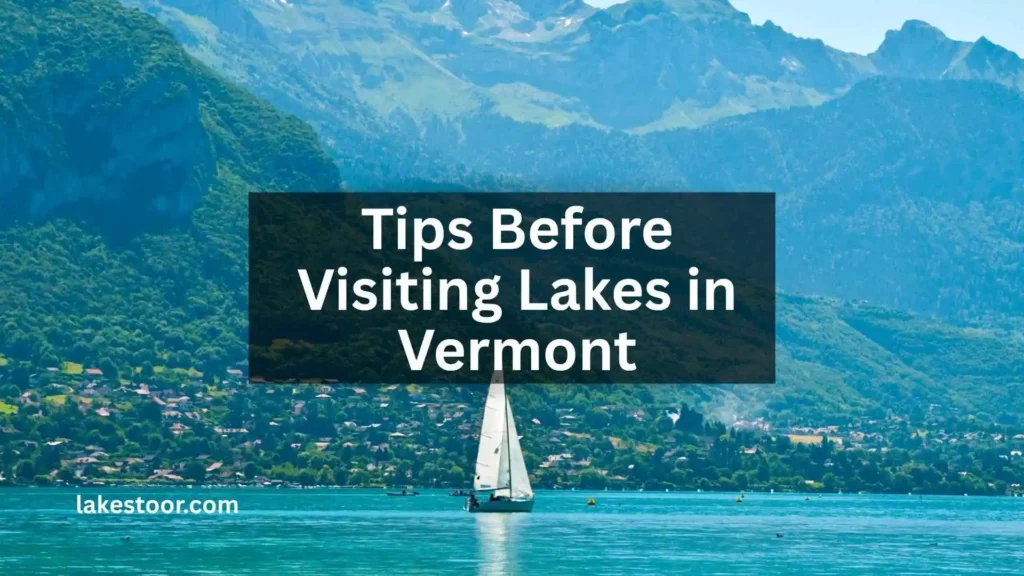
Start with one main lake instead of trying to see too many in one day. Lake Champlain is best if you want easy access, restaurants, and multiple activities. Lake Willoughby is best if you want dramatic scenery. Lake Bomoseen or Lake Dunmore can be better for a classic family lake day.
Check maps carefully because rural Vermont drives can take longer than expected.
For Families
Choose lakes with practical amenities. Look for restrooms, picnic areas, easy parking, gentle swimming access, nearby food, and shade. Bring snacks, towels, sunscreen, water shoes, bug spray, and dry clothes.
Do not assume every lake beach has lifeguards.
For Couples
Plan around golden hour or sunset. Book lake-view dining or lodging early, especially in summer and fall. For a quieter trip, consider shoulder-season weekdays or less crowded lakes.
For Event Planners
Visit the venue in the same season as your event if possible. A lakefront venue in July can feel very different from October or May. Ask about rain backup, guest transportation, parking, vendor rules, restrooms, sound limits, and setup timing.
For Diners
Check current hours before driving out of your way. Some lakeside restaurants are seasonal or close earlier than expected. Make reservations for popular waterfront spots during summer weekends.
For Outdoor Visitors
Pack for changing weather. Bring layers, water, snacks, navigation, sun protection, and insect repellent. For boating or paddling, wear a life jacket and check wind conditions before launching.
Nearby Alternatives to Compare
When choosing among lakes in Vermont, compare nearby alternatives based on your travel goal.
Consider:
- Location
- Driving distance
- Parking
- Entry fees
- Swimming access
- Boat launch access
- Kayak or canoe rentals
- Campgrounds
- Lodging
- Dining
- Reviews
- Scenery
- Family-friendliness
- Wedding capacity
- Event space options
- Distance from hotels
- Nearby attractions
- Weather backup plans
For example, compare Lake Champlain with Lake Bomoseen if you want boating and dining options. Compare Lake Willoughby with Caspian Lake if you care more about scenery and quiet. Compare Lake Dunmore with Lake St. Catherine if you want a family-friendly state park lake experience.
Lakes in Vermont vs Other Local Options
Compared with New Hampshire’s lakes, Vermont lakes often feel quieter, more rural, and more tied to small-town travel. Compared with Maine’s coast, Vermont lakes offer freshwater scenery instead of ocean beaches. Compared with New York’s Adirondack lakes, Vermont lakes can feel smaller and more relaxed, though Lake Champlain connects both Vermont and New York in a major way.
What makes lakes in Vermont different is the mix of mountain views, pastoral landscapes, historic villages, local food, and peaceful outdoor recreation. You are not just visiting water. You are visiting a full Vermont setting: winding roads, green hills, maple stands, farm markets, covered bridges, and lake air.
For travelers who want a slower USA lake guide experience with less commercial noise, Vermont is a strong choice.
Suggested Internal Links for Your Website
Use these internal link ideas to build topical authority around Vermont travel and local lake content:
- Best Lakes in Vermont for Families
- Best Swimming Lakes in Vermont
- Best Lake Towns in Vermont to Visit This Summer
- Lake Champlain Travel Guide
- Best Things to Do in Burlington, Vermont
- Best Camping Lakes in Vermont
- Best Fishing Lakes in Vermont
- Best Vermont Wedding Venues with Lake Views
- Best Weekend Getaways in Vermont
- Best Fall Foliage Spots Near Vermont Lakes
Suggested Source Links for Readers
For current details, readers should confirm with official or trusted local sources before traveling:
- Vermont Vacation for statewide travel planning and seasonal ideas.
- Vermont Fish & Wildlife for fishing access areas, boating access, and fishing rules.
- Vermont State Parks for park access, camping, day-use fees, passes, and current park details.
- Lake Champlain Region tourism resources for regional attractions, food, hiking, history, and trip planning.
Frequently Asked Questions About Lakes in Vermont
What are the best lakes in Vermont to visit?
Some of the best lakes in Vermont include Lake Champlain, Lake Willoughby, Lake Bomoseen, Lake St. Catherine, Lake Dunmore, Caspian Lake, Lake Memphremagog, Seymour Lake, Echo Lake, and Green River Reservoir. The best choice depends on whether you want boating, swimming, fishing, camping, scenery, or quiet relaxation.
What is the most famous lake in Vermont?
Lake Champlain is the most famous lake in Vermont. It is known for boating, fishing, ferry rides, waterfront towns, Burlington access, sunset views, and its location along the Vermont-New York border.
What is the best lake in Vermont for families?
Lake Bomoseen, Lake Dunmore, Lake St. Catherine, and Lake Champlain are good family choices because they offer a mix of swimming, outdoor activities, camping, and nearby services. Families should confirm parking, restrooms, beach rules, and water conditions before visiting.
What is the best lake in Vermont for couples?
Lake Willoughby is a beautiful choice for couples who want dramatic scenery and photography. Lake Champlain is better for couples who want dining, hotels, sunset walks, and more activities. Caspian Lake can work well for a quiet romantic escape.
Are Vermont lakes good for swimming?
Yes, many Vermont lakes are good for swimming in summer. Popular swimming areas are often connected to public beaches, state parks, or local access points. Always check current water quality, weather, algae notices, and safety rules before swimming.
Do lakes in Vermont have entry fees?
Some lake areas are free to access, while state parks, managed beaches, campgrounds, and private facilities may charge fees. Costs can change by season, location, and activity, so confirm current fees with the official park or local source.
Can you boat on lakes in Vermont?
Yes, boating is popular on many lakes in Vermont, especially Lake Champlain, Lake Bomoseen, Lake St. Catherine, and Lake Memphremagog. Rules, launch access, parking, and boat size suitability vary by lake.
Is Lake Champlain good for fishing?
Yes, Lake Champlain is widely known for fishing. Anglers should check Vermont fishing regulations, license requirements, access areas, and seasonal rules before going. Vermont Fish & Wildlife provides official access and regulation resources.
Are Vermont lakes good for kayaking?
Yes, Vermont lakes can be excellent for kayaking and canoeing. Smaller lakes and reservoirs may be especially appealing for quiet paddling, while Lake Champlain offers bigger water that requires more attention to wind and weather.
What is the best time of year to visit lakes in Vermont?
Summer is best for swimming, boating, and camping. Fall is best for foliage, photography, scenic drives, and couples’ trips. Spring is quieter but less predictable. Winter can be beautiful, but ice safety must be taken seriously.
Are dogs allowed at lakes in Vermont?
Dog rules vary by lake, beach, park, campground, and property. Some areas allow dogs on leash, while others restrict pets near beaches or swimming areas. Confirm current pet policies before visiting.
Are there lakefront wedding venues in Vermont?
Yes, Vermont has lakefront inns, resorts, private venues, and event spaces with lake views. Lake Champlain has some of the strongest wedding infrastructure, while smaller lakes may offer quieter settings. Always ask about capacity, rain plans, catering, parking, and vendor rules.
Which Vermont lake has the best views?
Lake Willoughby is often considered one of Vermont’s most dramatic lakes because of its mountain setting. Lake Champlain also offers excellent views, especially where the Adirondack Mountains are visible across the water.
Are Vermont lakes crowded?
Some popular lakes and beaches can be crowded on summer weekends and holidays. For fewer crowds, visit on weekdays, arrive early, choose less famous lakes, or travel during shoulder seasons.
Can you camp near lakes in Vermont?
Yes, camping is available near several Vermont lakes through state parks, private campgrounds, cabins, and RV sites. Summer and fall weekends can book early, so reserve ahead.
Are lakes in Vermont safe?
Many Vermont lakes are safe for normal recreation when visitors follow local rules, check weather, wear life jackets, monitor children, avoid unsafe ice, and pay attention to water quality alerts. Conditions change, so always use current information.
What should I bring for a Vermont lake trip?
Bring sunscreen, water, snacks, towels, bug spray, layers, water shoes, a first-aid kit, life jackets for boating, and a backup plan for weather. For remote areas, bring maps and extra supplies.
Final Thoughts
Lakes in Vermont are worth visiting because they offer a peaceful mix of water, mountains, small towns, outdoor activities, and classic New England charm. Whether you want a family swimming day, a romantic lake-view weekend, a fishing trip, a camping escape, or a scenic road trip, Vermont has a lake that can fit your plans.
Lake Champlain is best for travelers who want the most options. Lake Willoughby is best for dramatic views. Lake Bomoseen, Lake Dunmore, and Lake St. Catherine are strong family-friendly choices. Caspian Lake, Green River Reservoir, and smaller northern lakes are better for quiet outdoor time.
Before you go, confirm current fees, hours, parking, water conditions, pet rules, boat access, dining hours, and booking policies. A little planning can make your Vermont lake trip smoother, safer, and far more enjoyable.

Hi, I’m Henry Ashford, a writer with a lifelong interest in lakes, landscapes, and the natural environment. I love exploring how lakes influence wildlife, local communities, tourism, and history. My goal is to create informative content that encourages readers to appreciate and protect freshwater environments.
Every article I write is based on careful research and presented in a straightforward, engaging style that makes learning enjoyable.
Books I’ve Written:
- Discovering the World’s Great Lakes
- Freshwater Landscapes: Stories from Around the Globe
 Charlotte Pembroke