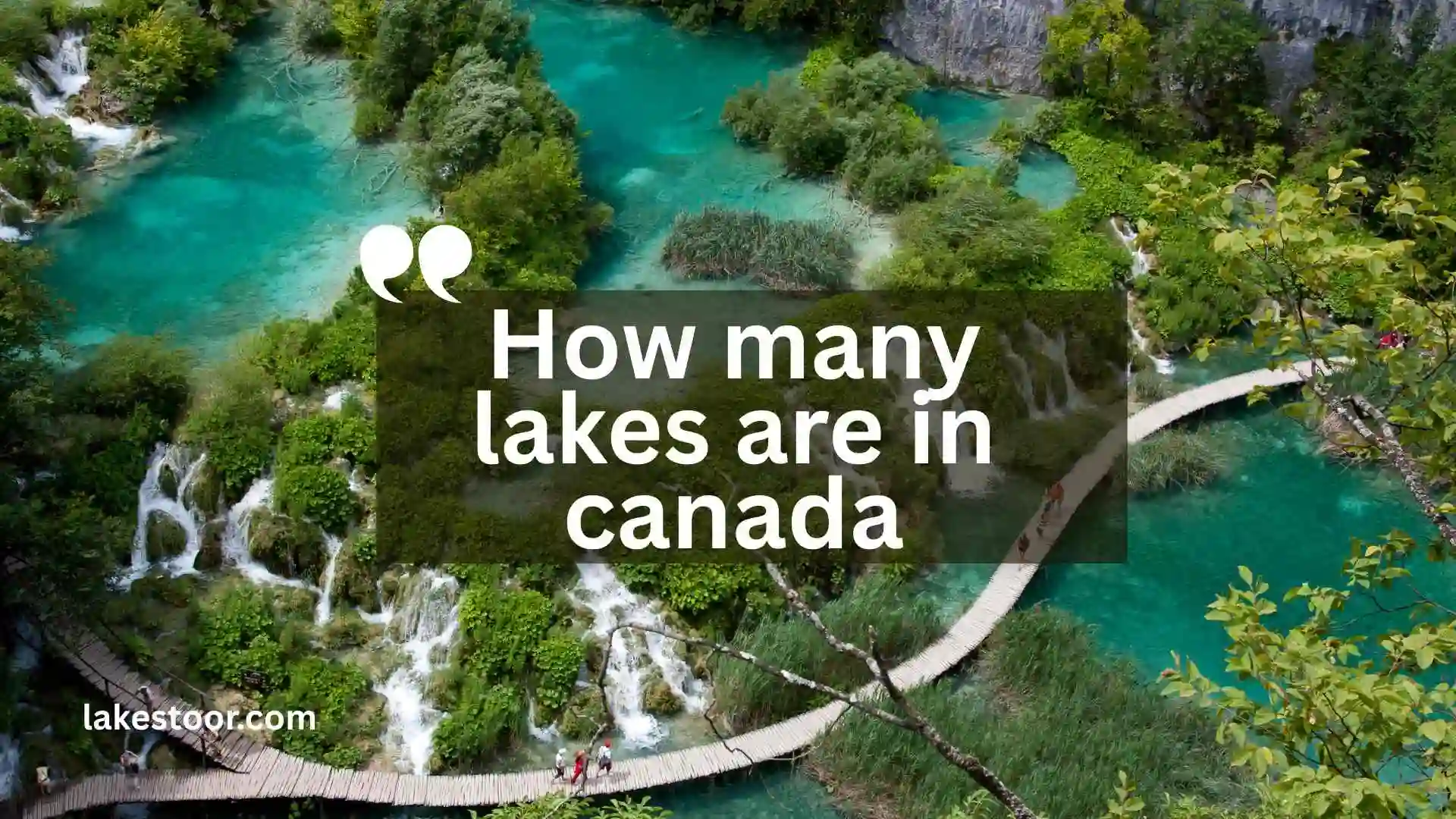
Canada is often imagined as an endless expanse of whispering pine forests and towering, snow-draped mountains, but beneath that rugged beauty lies a secret world of liquid crystal. If you have ever closed your eyes and pictured a landscape carved by ancient, retreating glaciers, you are already imagining the sheer, breathtaking magnitude of what waits north of the border. It is a place where water doesn’t just shape the geography; it defines the very heartbeat of the wilderness.
When I first began tracking the true scale of Canada’s waterways, I found myself utterly overwhelmed by the sheer numbers, realizing that standard maps barely scratch the surface. You might look at a globe and see a few familiar blue splotches, but that only hints at the labyrinth of hidden basins scattered across millions of square kilometers of untamed backcountry. It is a sprawling, liquid mosaic so vast that scientists are still discovering new pools hidden deep within the northern taiga.
So, how many lakes are actually cradled within this massive northern sanctuary? The truth is, Canada holds over two million lakes—a staggering figure that means there is roughly one lake for every twenty residents. When you stand on a quiet Canadian shoreline at dusk, watching the sky melt into glass, I promise you will feel the profound, humbling magic of a land where water outnumbers almost everything else.
What Readers Really Want to Know

The keyword how many lakes are in Canada looks like a simple fact-based question, but the search intent is broader than one number. Most readers want a clear answer first, then useful context.
A U.S. reader may be asking because they are:
- Planning a Canadian lake vacation
- Comparing Canada with the United States for freshwater travel
- Looking for the best lakes near the U.S.-Canada border
- Researching fishing, boating, camping, or kayaking
- Building a school, travel, or geography article
- Wondering why Canada has so many lakes
- Looking for scenic lake destinations, resorts, cabins, or national parks
- Comparing lake regions like Ontario, Quebec, British Columbia, Manitoba, Saskatchewan, and Alberta
This article answers the main question quickly, then turns it into a practical travel guide.
Is How Many Lakes Are in Canada Worth Visiting?(Quick Answer)
Canada has well over 2 million lakes, depending on how small a body of water must be before it is counted as a lake. For larger lakes, Environment and Climate Change Canada notes that Canada has 563 lakes larger than 100 square kilometers, and the country has more lake area than any other country in the world. The Great Lakes, shared by Canada and the United States, contain a major share of the world’s fresh lake water.
For travelers, the big takeaway is simple: Canada is one of the best lake destinations on Earth. It is especially worth considering if you love lake views, outdoor activities, fishing, boating, camping, kayaking, family-friendly parks, scenic photography, quiet cabins, or national park road trips. Before visiting, confirm access, permits, weather conditions, camping availability, boat rules, fire restrictions, and seasonal closures with the official source for the specific lake or park.
How Many Lakes Are in Canada Quick Facts
| Fact | Helpful Details |
| Main question | How many lakes are in Canada? |
| Simple answer | Canada has more than 2 million lakes by many broad estimates. |
| Larger-lake count | 563 lakes are larger than 100 square kilometers, according to Environment and Climate Change Canada. |
| Region | Nationwide, from the Great Lakes to the Canadian Shield, Rockies, boreal forest, prairie provinces, and northern territories |
| Type of place | Freshwater lake country, outdoor recreation destination, nature travel region |
| Main attractions | Lake views, fishing, boating, canoeing, camping, hiking, wildlife, national parks, provincial parks |
| Best for | Families, couples, anglers, paddlers, campers, photographers, outdoor lovers, road trippers |
| Known for | Huge freshwater resources, glacial lake landscapes, remote wilderness, and scenic lake destinations |
| Activities | Canoeing, kayaking, boating, fishing, swimming, hiking, camping, photography, cabin stays |
| Dining options | Vary widely by lake: city waterfront dining, lodge meals, camp cooking, resort restaurants, small-town cafes |
| Event/wedding options | Lakefront resorts, lodges, parks, private cabins, waterfront venues, and destination wedding settings |
| Nearby cities | Depends on the lake; popular gateway cities include Toronto, Vancouver, Calgary, Winnipeg, Ottawa, Montreal, Halifax, Thunder Bay, and Edmonton |
| Booking tip | Reserve summer lodging, campsites, boats, ferries, and guided fishing trips early, especially near national parks and popular lake towns |
What Is “How Many Lakes Are in Canada” Really Asking?
When someone asks how many lakes are in Canada, the answer depends on what counts as a lake.
That may sound strange, but it matters. A large lake like Lake Superior is easy to count. A small pond in the forest, a remote northern water body, or a seasonal lake may not be counted the same way in every dataset. Some sources count only named lakes. Others count lakes above a certain size. Some mapping systems include tiny water bodies that most travelers would never visit.
That is why you may see different numbers online.
The broad answer is that Canada has more than 2 million lakes. The more careful answer is that Canada has thousands of significant mapped lakes, hundreds of very large lakes, and more lake area than any other country. Environment and Climate Change Canada reports that Canada has 563 lakes larger than 100 square kilometers.
For a traveler, this means you should not try to “see Canada’s lakes” as one destination. Instead, choose the lake region that fits your trip style.
For example:
- Want city access and waterfront dining? Look at the Great Lakes, Lake Ontario, Lake Erie, or lakes near major cities.
- Want mountain scenery? Look at Alberta and British Columbia.
- Want fishing lodges and boreal forest? Look at Ontario, Manitoba, Saskatchewan, or Quebec.
- Want remote wilderness? Look at northern Canada.
- Want easy road trips from the U.S.? Look at Ontario, Quebec, British Columbia, New Brunswick, or the Great Lakes region.
Where Are Canada’s Lakes Located?
Canada’s lakes are spread across the entire country, but they are especially dense in areas shaped by glaciers and ancient rock.
Many lakes sit across the Canadian Shield, a vast region of old rock, forest, wetlands, and waterways. This area covers large parts of Ontario, Quebec, Manitoba, Saskatchewan, Nunavut, and the Northwest Territories. During the last Ice Age, glaciers scraped the land and left behind countless basins. When the ice melted, many of those basins filled with water.
That is one reason Canada has so many lakes.
For U.S. travelers, location matters because Canada is huge. A lake that looks close on a map may still be many hours from a major airport or border crossing.
Popular lake regions include:
- Ontario: Great Lakes, Muskoka, Lake of the Woods, Algonquin area
- Quebec: Laurentians, Eastern Townships, northern lake regions
- British Columbia: Okanagan Lake, Shuswap Lake, Kootenay lakes, coastal and mountain lakes
- Alberta: Lake Louise, Moraine Lake area, Jasper lakes, Waterton Lakes
- Manitoba: Lake Winnipeg, Whiteshell, northern fishing lakes
- Saskatchewan: Lake country in the north, Prince Albert National Park area
- Northwest Territories: Great Slave Lake and Great Bear Lake
- Nova Scotia and New Brunswick: Smaller lake districts with road-trip appeal
If you are coming from the United States, the most practical lake trips are often in Ontario, Quebec, British Columbia, Alberta, and Atlantic Canada because they offer stronger tourism infrastructure, easier airport access, and more lodging choices.
History and Background
Canada’s lake story is deeply connected to geology, glaciers, Indigenous history, transportation, fishing, and settlement.
Long before modern tourism, lakes and rivers were travel routes, food sources, trade corridors, and cultural landscapes for Indigenous Peoples. Many Canadian lake names, place names, and regional identities are tied to Indigenous languages and histories. Travelers should approach these places with respect, especially when visiting parks, heritage sites, or areas connected to First Nations, Inuit, and Métis communities.
Canada’s modern lake geography was shaped heavily by the last Ice Age. Glaciers moved across the land, carved depressions, pushed soil and rock, and changed drainage patterns. As the ice retreated, meltwater filled thousands upon thousands of basins.
Over time, lakes became central to Canadian life. They support recreation, tourism, fishing, transportation, hydropower, drinking water, wildlife habitat, and local economies. Canada is also home to about 20% of the world’s fresh water and about 7% of global renewable freshwater supply, though not all of that water is easily accessible or available where people live.
That is important for visitors to understand. Canada may be famous for freshwater, but water safety, conservation, seasonal access, and local environmental rules still matter.
Main Experience in Canada’s Lake Country
Canada’s lake experience depends on the region you choose. Some lakes feel polished and resort-like. Others are wild, rocky, quiet, and remote. A few are famous around the world, while many have no major tourist presence at all.
Scenic Views
The scenic variety is one of Canada’s biggest strengths.
You can find:
- Clear mountain lakes in Alberta and British Columbia
- Rocky pine-lined lakes in Ontario and Quebec
- Wide prairie lakes in Manitoba and Saskatchewan
- Huge northern lakes with wild, open horizons
- City waterfronts along the Great Lakes
- Quiet cottage lakes with docks, canoes, and sunset views
For photography, early morning and evening are often best. Calm water, soft light, mist, and reflections can make even a simple lake view feel memorable.
Lake Activities
Common lake activities include:
- Canoeing
- Kayaking
- Paddleboarding
- Boating
- Fishing
- Swimming
- Hiking near the shore
- Camping
- Wildlife viewing
- Picnicking
- Lakeside dining
- Scenic drives
Not every lake allows every activity. Some parks limit motorboats. Some lakes are too cold for comfortable swimming. Some areas require fishing licenses, permits, reservations, or safety equipment.
Boating
Boating is popular on many Canadian lakes, but rules vary by province, lake, and park.
Before renting or bringing a boat, check:
- Boat launch access
- Parking for trailers
- Motor restrictions
- Invasive species cleaning rules
- Life jacket laws
- Rental availability
- Weather and wind conditions
- Navigation hazards
- Fuel availability
Large lakes can behave more like inland seas. Wind can build quickly, especially on the Great Lakes and big northern lakes.
Fishing
Canada is a dream destination for many anglers. Depending on the province and lake, you may find walleye, northern pike, lake trout, bass, salmon, perch, muskellunge, and other species.
Fishing costs and rules vary. U.S. visitors often need a provincial fishing license, and some waters have special limits, slot sizes, catch-and-release rules, or seasonal closures.
Never assume one license covers every province. Check the official provincial fishing regulations before you go.
Swimming
Swimming is available at many public beaches, campgrounds, parks, and lake resorts, but conditions vary.
Check for:
- Lifeguard availability
- Water temperature
- Beach advisories
- Blue-green algae warnings
- Currents
- Rocky shorelines
- Drop-offs
- Boat traffic
- Local safety signs
Mountain lakes can look inviting but be very cold, even in summer.
Hiking
Many Canadian lakes are connected to hiking trails, lookout points, waterfalls, forest paths, and scenic picnic areas.
If hiking near lakes, bring:
- Water
- Layers
- Bug spray
- Sun protection
- Trail map
- Proper shoes
- Bear-aware habits in western and northern regions
Camping
Camping is one of the best ways to experience Canadian lakes, but summer demand can be high.
Book early for:
- National parks
- Provincial parks
- Lakefront campsites
- RV sites
- Backcountry canoe routes
- Popular long weekends
- Holiday periods
Rules for campfires, food storage, pets, quiet hours, and alcohol vary by campground.
Things to Do in Canada’s Lake Country
Canada’s lakes are not just pretty views. They can shape an entire trip.
1. Take a Scenic Road Trip
A lake-focused road trip is one of the easiest ways for U.S. travelers to enjoy Canada.
Good road-trip ideas include:
- Toronto to Niagara and Lake Ontario
- Detroit or Buffalo to Ontario’s Great Lakes towns
- Seattle to British Columbia lake country
- Montana to Alberta’s mountain lakes
- Minnesota to northwestern Ontario
- New England to Quebec lake regions
Build in extra time. Border crossings, ferries, weather, and rural roads can slow travel.
2. Rent a Cottage or Cabin
A cabin stay gives you more space, privacy, and quiet than a hotel. It is ideal for families, couples, fishing groups, and longer summer trips.
Before booking, confirm:
- Lake access
- Dock availability
- Swimming conditions
- Boat rental rules
- Wi-Fi strength
- Heating or air conditioning
- Grocery distance
- Pet policy
- Cleaning fees
- Cancellation terms
3. Visit a National or Provincial Park
Many of Canada’s best lake experiences are inside protected parks.
Parks may offer:
- Beaches
- Trails
- Canoe rentals
- Campgrounds
- Visitor centers
- Wildlife viewing
- Picnic areas
- Guided programs
- Scenic lookouts
Provincial parks are often just as rewarding as national parks and may be less crowded.
4. Try Canoeing or Kayaking
Canada is one of the world’s great paddling destinations. Beginners should start with calm, protected water and short routes.
Experienced paddlers may look for:
- Backcountry canoe circuits
- Portage routes
- Multi-day wilderness trips
- Guided paddling tours
- Fishing and paddling combinations
Always check weather and wear a life jacket.
5. Plan a Fishing Trip
A fishing trip can range from a simple day on a public dock to a fly-in lodge in northern Canada.
Costs can include:
- License
- Guide
- Boat rental
- Gear
- Lodging
- Meals
- Fuel
- Park permits
- Travel insurance
For remote trips, ask about emergency procedures and communication access.
6. Enjoy Lakefront Dining
Some lake towns offer waterfront restaurants, patios, fish-and-chips spots, breweries, cafes, and resort dining.
Menus and hours can change seasonally, especially in small towns. Check current hours before driving out of your way.
7. Take Photos at Sunrise or Sunset
Lake photography is one of the easiest activities to enjoy without much gear. A phone camera is enough for most travelers.
Look for:
- Reflections
- Docks
- Canoes
- Rocky shorelines
- Fall colors
- Mist
- Mountain backdrops
- Wildlife from a safe distance
8. Attend a Lakefront Wedding or Event
Many Canadian lakes have resorts, lodges, parks, and private venues that host weddings, retreats, reunions, and corporate events.
A lake-view event can be beautiful, but logistics matter. Ask about weather backup plans, transportation, guest capacity, and accessibility.
Best Time to Visit Canada’s Lakes
The best time to visit depends on the kind of trip you want.
| Season | Best For | What to Know |
| Late spring | Quiet trips, fishing, waterfalls, lower crowds | Some facilities may not be fully open; bugs can be heavy in some regions |
| Summer | Swimming, boating, camping, family vacations | Highest demand, higher lodging costs, book early |
| Early fall | Photography, fall colors, couples trips, peaceful weekends | Cooler water, shorter days, some seasonal businesses reduce hours |
| Winter | Ice fishing, snowy cabins, skating, snowshoeing | Conditions vary; safety checks are essential before going on ice |
For most U.S. visitors, June through September is the most practical lake season. July and August are best for warm-weather activities, but they are also the busiest and often most expensive.
If you want fewer crowds, consider late May, early June, September, or early October, depending on the province.
Is Canada’s Lake Country Good for Families?
Yes, many Canadian lake destinations are excellent for families, but you need to choose carefully.
Family-friendly lake areas usually have:
- Easy parking
- Public beaches
- Restrooms
- Picnic tables
- Short trails
- Lifeguarded swimming areas
- Nearby food
- Calm water zones
- Rentals or simple activities
- Clear signage
- Family lodging or campgrounds
Not every lake is ideal for kids. Remote lakes may have limited cell service, rocky shorelines, cold water, strong winds, wildlife concerns, and few restrooms.
For families, look for established parks, resort towns, provincial parks, and lake beaches with clear visitor information.
Good planning tips:
- Bring snacks and water
- Pack layers
- Use life jackets near water
- Check beach advisories
- Reserve campsites early
- Keep a backup indoor activity for rainy days
- Confirm restroom access before arriving
- Do not rely on cell service in rural lake areas
Is Canada’s Lake Country Good for Couples?
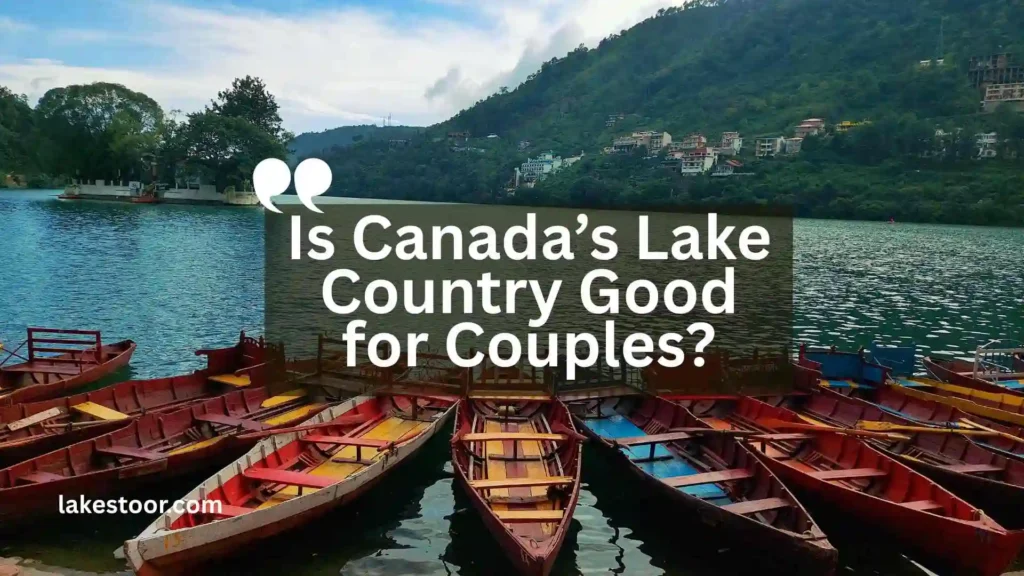
Canada’s lakes can be wonderful for couples. They offer quiet views, cabin stays, sunset walks, canoe rides, photography, lakefront dining, and peaceful weekend escapes.
Couples may enjoy:
- Boutique lake lodges
- Scenic drives
- Wine regions near lakes, such as parts of British Columbia and Ontario
- Mountain lake photography
- Spa resorts near water
- Fall color trips
- Cozy winter cabin stays
- Lakeside proposals or elopements
If romance is the goal, check whether the lake area is quiet or busy. Some popular summer lakes are lively and family-heavy. Others are better for slow mornings, privacy, and peaceful scenery.
Weddings and Events in Canada’s Lake Country
Lakefront weddings and events are popular across Canada because the scenery does much of the work. A lake view can create a natural backdrop for ceremonies, photos, cocktail hours, receptions, retreats, family reunions, and corporate gatherings.
Possible lake event settings include:
- Lake resorts
- Golf clubs near lakes
- Private lodges
- Waterfront restaurants
- Provincial park venues
- Cabin resorts
- Event barns near lake country
- Marinas
- Outdoor ceremony lawns
- Hotel ballrooms near waterfronts
Because Canada’s weather changes by season and region, planning matters. A beautiful lake ceremony still needs a rain backup, parking plan, restroom access, vendor access, and guest transportation.
Wedding Planning Questions to Ask
Before booking a Canadian lake wedding or private event, ask:
- What ceremony locations are available?
- What is the rain backup plan?
- What is the guest capacity?
- Are food and beverage packages available?
- Are bar packages available?
- Are outside vendors allowed?
- Is parking available?
- Are tables, chairs, linens, and setup included?
- Are there service charges or taxes?
- What is the deposit and cancellation policy?
- Are there photo restrictions?
- Is there a noise curfew?
- Are there nearby hotels or shuttle options?
- Is the venue accessible for older guests or guests with mobility needs?
- Are permits required for outdoor ceremonies or photography?
- What happens if smoke, storms, or extreme weather affect the event?
Dining and Food Options
Dining near Canadian lakes varies widely.
In popular lake towns, you may find:
- Waterfront restaurants
- Resort dining rooms
- Casual pubs
- Coffee shops
- Ice cream stands
- Fish restaurants
- Breweries
- Farm-to-table spots
- Marina cafes
- Grocery stores for cabin cooking
In remote lake regions, food options may be limited. Some fishing lodges include meals, while backcountry trips require you to bring and pack out your own food.
Do not assume a lake has nearby dining. Always check current menus, hours, seasonal closures, reservations, and local holiday schedules before you go.
How Much Does Canada’s Lake Country Cost?
There is no single price for visiting Canadian lakes because costs depend on location, season, activity, and comfort level.
Common cost factors include:
Entry Fees
Some beaches, parks, and conservation areas may charge entry or parking fees. National and provincial parks often require passes or permits.
Parking
Parking may be free in some rural areas and paid in popular towns, beaches, parks, and city waterfronts.
Activities
Costs may apply for:
- Canoe rentals
- Kayak rentals
- Paddleboards
- Boat tours
- Fishing guides
- Park permits
- Boat launches
- Campsites
- Equipment rentals
- Guided hikes
- Wildlife tours
Boat Rentals
Boat rental pricing varies by lake, boat type, fuel rules, rental length, insurance, and season. Ask what is included before booking.
Fishing
Fishing costs may include licenses, conservation stamps, guides, bait, gear, lodging, and boat rental. Regulations differ by province.
Lodging
Lake lodging can range from budget motels and campgrounds to luxury resorts and private cottages. Summer weekends near popular lakes often book early and cost more.
Dining
Food costs depend on whether you cook, eat casually, dine at resorts, or book all-inclusive lodge packages.
Weddings and Private Events
Lake weddings can include venue rental, food and beverage minimums, bar packages, service charges, taxes, rentals, transportation, lodging, and vendor fees.
Because pricing changes often, do not rely on old blog posts or social media comments. Confirm directly with the official park, venue, rental company, lodge, or tourism office before booking.
Review Summary: What Visitors Commonly Like
Without copying individual reviews, common positive themes for Canadian lake destinations often include:
- Beautiful lake views
- Peaceful outdoor settings
- Clean air and natural scenery
- Great photography opportunities
- Family-friendly beaches and parks
- Good fishing and boating
- Relaxing cottage or cabin experiences
- Friendly small-town atmosphere
- Wildlife sightings
- Memorable sunsets
- Strong camping and paddling options
- Scenic drives and nearby trails
Balanced review themes may also mention that popular areas can be crowded in summer, parking can be limited, weather can change quickly, and some restaurants or rentals may operate seasonally.
Possible Concerns to Check Before Visiting or Booking
Canada’s lakes are beautiful, but smart planning prevents frustration.
Check these before you go:
Weather
Weather can change quickly, especially near large lakes, mountains, and northern areas. Bring layers and rain gear.
Crowds
Popular lakes can be very busy in July, August, holiday weekends, and fall color season.
Parking
Some beaches and trailheads fill early. Have a backup plan.
Pricing Changes
Rental, lodging, park, and event prices may change by season.
Seasonal Closures
Campgrounds, restaurants, boat rentals, ferries, trails, and visitor centers may close outside peak season.
Event Availability
Wedding venues and lake resorts can book months or even a year ahead for peak weekends.
Dining Hours
Small-town restaurants may close early or operate limited days.
Water Safety
Check swimming advisories, algae warnings, currents, boat traffic, and cold-water risks.
Private Events Affecting Access
Some resorts, parks, restaurants, and venues may limit access during private events.
Who Should Visit Canada’s Lake Country?
Canada’s lake regions are ideal for many types of travelers.
Families
Choose established parks, beaches, easy trails, cabins, and campgrounds with restrooms and safe swimming areas.
Couples
Look for quiet cabins, scenic drives, lakefront dining, sunset views, fall colors, and romantic lodges.
Golfers
Some Canadian lake regions include golf courses with scenic views, resort packages, dining, and event space.
Event Planners
Lake venues can work well for weddings, retreats, reunions, and corporate events if logistics are handled early.
Wedding Couples
Lakefront ceremonies can be beautiful, but always ask about rain plans, guest capacity, lodging, and vendor rules.
Outdoor Lovers
Canada is excellent for paddling, hiking, fishing, camping, boating, and wildlife viewing.
Photographers
The variety of lake views is huge, from mountain reflections to rocky shorelines and misty forest mornings.
Local Visitors
Canadians and nearby U.S. visitors can use lake trips for weekend getaways, day trips, and seasonal recreation.
Tourists
International and U.S. tourists can build entire vacations around Canada’s lake regions.
Corporate Groups
Lake resorts and lodges can be strong options for retreats, team events, and incentive trips.
Who May Not Find It Ideal?
Canada’s lake country may not be ideal for every traveler.
You may want a different trip if you:
- Need guaranteed hot beach weather
- Prefer nightlife over nature
- Do not enjoy driving long distances
- Want all-inclusive convenience everywhere
- Dislike bugs, especially in spring and early summer
- Need strong cell service at all times
- Are uncomfortable with changing weather
- Prefer urban attractions every day
- Do not want to plan permits, reservations, or outdoor gear
- Need fully accessible facilities at every stop
Canada has many easy lake destinations, but some of the most beautiful places require planning, patience, and flexibility.
Pros and Cons of Canada’s Lake Country
Pros
- Canada has more lake area than any other country.
- There are lake options for every travel style.
- Many regions are accessible from the United States.
- Scenery ranges from mountains to forests to city waterfronts.
- Great for fishing, boating, canoeing, kayaking, and camping.
- Strong options for families, couples, photographers, and outdoor travelers.
- Lakefront weddings and events can be scenic and memorable.
- Many parks protect natural areas and wildlife habitat.
- Summer lake trips can be peaceful, active, or both.
- Fall lake trips offer beautiful colors and lighter crowds.
Cons
- Exact lake counts can be confusing because definitions vary.
- Canada is huge, so travel distances can be long.
- Popular lakes get crowded in peak summer.
- Weather can change quickly.
- Bugs can be intense in some areas.
- Remote lakes may have limited services.
- Lodging and campsites can book early.
- Some dining, rentals, and attractions are seasonal.
- Water can be cold, especially in mountain regions.
- Rules for fishing, boating, pets, fires, and camping vary by province and park.
Tips Before Visiting Canada’s Lake Country
For First-Time Visitors
Start with an accessible region. Do not plan your first Canadian lake trip around a remote lake unless you are experienced with wilderness travel.
Good first-time choices often include Ontario’s cottage country, the Great Lakes, Banff and Jasper lake areas, British Columbia’s Okanagan, Quebec’s Laurentians, or Atlantic Canada’s lake regions.
For Families
Choose lakes with restrooms, parking, food nearby, easy trails, safe beaches, and clear visitor information.
Pack:
- Life jackets for kids
- Snacks
- Water
- Sunscreen
- Bug spray
- Towels
- Dry clothes
- Simple first-aid items
- Rain jackets
For Couples
Book lodging early if you want lake views, private decks, hot tubs, or quiet cabins.
Consider shoulder season for fewer crowds. September can be especially beautiful in many regions.
For Event Planners
Ask about guest transportation, weather backup, vendor access, restrooms, power, lighting, noise limits, and lodging blocks.
Lake views are beautiful, but logistics make or break the event.
For Golfers
If you want golf and lake scenery, compare resort areas, public golf courses, tee time availability, dining options, and stay-and-play packages. Confirm current tee times, dress codes, cart rules, and cancellation policies directly with the course.
For Diners
Do not assume waterfront dining is open year-round. In smaller lake towns, restaurants may close on certain weekdays or reduce hours outside summer.
Check current menus, reservations, and seasonal hours before going.
For Outdoor Visitors
Bring more gear than you think you need. Weather, bugs, sun, wind, and water temperature can change quickly.
For remote areas, carry offline maps and tell someone your plan.
Nearby Alternatives to Compare
Because Canada has so many lakes, it is smart to compare destinations before choosing one.
Compare:
- Location
- Driving distance from the U.S.
- Airport access
- Lodging cost
- Campground availability
- Parking
- Dining
- Boat rentals
- Fishing rules
- Family-friendliness
- Wedding capacity
- Lake views
- Hiking trails
- Pet policies
- Accessibility
- Distance from hotels
- Reviews
- Seasonal closures
For U.S. travelers, also compare Canadian lake destinations with nearby U.S. lake options such as the Finger Lakes, Lake Champlain, Lake Tahoe, Lake Michigan, Lake Superior’s U.S. shore, Minnesota lake country, and the Adirondacks.
Canada may offer wilder scenery and huge freshwater variety, while U.S. lakes may be easier for shorter trips without border crossing requirements.
How Many Lakes Are in Canada vs Other Local Options
Canada stands apart because of scale. Many countries have beautiful lakes, but Canada has an unmatched combination of lake count, lake area, wilderness, and travel variety.
Compared with many U.S. lake regions, Canada often offers:
- More remote lake options
- Larger wilderness areas
- Strong canoe and fishing traditions
- More northern landscapes
- Huge freshwater systems
- Scenic provincial and national parks
- Cottage-country culture
- Lake resorts with outdoor recreation
However, the United States may be easier for travelers who want shorter drives, warmer water, less paperwork, or familiar travel rules.
The best choice depends on your goal.
Choose Canada if you want big nature, lake variety, cool summer air, paddling, fishing, and scenic road trips.
Choose a closer U.S. lake if you want a quick weekend, lower travel complexity, or less planning.
Suggested Internal Links for Your Website
Here are internal link ideas that would support this article and strengthen topical authority:
- Best lakes in Canada for U.S. travelers
- Best lakes near the U.S.-Canada border
- Best family-friendly lakes in Ontario
- Best lake resorts in Canada
- Best fishing lakes in Canada
- Best Canadian lake towns to visit in summer
- Best camping lakes in Canada
- Best canoe trips in Canada for beginners
- Best lake wedding venues in Canada
- Canada road trip guide for U.S. travelers
Suggested Source Links
For accuracy and E-E-A-T, readers should verify current details through official or authoritative sources such as:
- Environment and Climate Change Canada’s lake and freshwater information, which notes Canada has more lake area than any other country and 563 lakes larger than 100 square kilometers.
- Natural Resources Canada’s Atlas of Canada, which provides maps, data, and geographic resources.
- Canada’s freshwater science and water overview resources, which explain freshwater supply, environmental pressures, and national water priorities.
- Provincial park, national park, municipal tourism, and official destination websites for current fees, hours, permits, and local conditions.
Frequently Asked Questions About How Many Lakes Are in Canada
How many lakes are in Canada?
Canada is commonly described as having more than 2 million lakes, though the exact number depends on how lakes are defined and counted. For larger lakes, Canada has 563 lakes over 100 square kilometers.
Why does Canada have so many lakes?
Canada has so many lakes because glaciers shaped much of the land during the Ice Age. As glaciers moved and melted, they carved basins that filled with water.
Does Canada have the most lakes in the world?
Canada is widely recognized as having more lake area than any other country, and it is often described as having more lakes than any other country. The exact number depends on the counting method.
Are all Canadian lakes freshwater?
Most Canadian lakes are freshwater, though water chemistry can vary. Some northern or prairie water bodies may have different mineral levels.
What is the largest lake in Canada?
The largest lake entirely in Canada is Great Bear Lake. The largest lake partly in Canada is Lake Superior, which is shared with the United States.
Are the Great Lakes part of Canada?
Yes, several of the Great Lakes are shared by Canada and the United States. They form part of the border and are major freshwater systems.
Can U.S. travelers visit Canadian lakes easily?
Yes, many Canadian lakes are accessible to U.S. travelers, especially in Ontario, Quebec, British Columbia, and Alberta. Always check passport, border, insurance, and travel requirements before leaving.
What is the best Canadian lake region for first-time visitors?
Ontario’s cottage country, the Great Lakes, Banff and Jasper lake areas, British Columbia’s Okanagan, and Quebec’s Laurentians are practical choices for many first-time U.S. visitors.
Are Canadian lakes good for families?
Yes, many are family-friendly, especially lakes with public beaches, parks, restrooms, picnic areas, easy trails, and nearby food. Remote lakes require more planning.
Can you swim in Canadian lakes?
Yes, swimming is common in many Canadian lakes during summer. Check water temperature, beach advisories, lifeguard status, and local safety signs.
Do you need a fishing license in Canada?
Usually, yes. Fishing rules are managed by provinces and territories, so U.S. visitors should check the official regulations for the specific province and lake.
Are Canadian lakes expensive to visit?
Costs vary. A simple picnic at a public lake may cost little, while lake resorts, boat rentals, guided fishing trips, and weddings can be expensive. Confirm current prices directly.
Is parking available at Canadian lakes?
Parking depends on the lake. Popular beaches, parks, and trailheads may have limited or paid parking, especially in summer.
Are Canadian lakes good for weddings?
Yes, many lakefront resorts, lodges, parks, and event venues host weddings. Ask about guest capacity, rain plans, permits, catering, bar packages, and lodging.
What is the best time to visit Canada’s lakes?
Summer is best for swimming, boating, and camping. Early fall is excellent for photos, fewer crowds, and cooler weather. Winter works for ice fishing and snow trips where conditions are safe.
Are pets allowed at Canadian lakes?
Pet rules vary by park, beach, lodging property, and campground. Some beaches do not allow dogs, while others have pet-friendly areas.
Are there restaurants near Canadian lakes?
Popular lake towns often have restaurants, cafes, patios, and resort dining. Remote lakes may have few or no food options, so check before visiting.
What should I confirm before booking a Canadian lake trip?
Confirm access, fees, lodging, parking, permits, fishing rules, boat rentals, weather, fire restrictions, restaurant hours, cancellation policies, and seasonal closures.
Final Thoughts
So, how many lakes are in Canada? The clearest practical answer is that Canada has more than 2 million lakes, with 563 lakes larger than 100 square kilometers. That number is impressive, but the real value for travelers is what those lakes make possible: peaceful cabin stays, family beach days, fishing trips, canoe routes, lakefront weddings, mountain views, quiet photography mornings, and unforgettable road trips.
For U.S. travelers, Canada’s lake country is worth considering if you enjoy outdoor activities, scenic views, fresh air, and slower travel. The best destination depends on your season, budget, driving distance, comfort level, and activity style.
Before you book, verify current details with official sources. Lake access, fees, permits, hours, fire rules, restaurant schedules, and rental availability can change. A little planning will help you choose the right lake, avoid surprises, and enjoy Canada’s freshwater beauty with confidence.

I’m Charlotte Pembroke, and my passion for lakes began through travelling across the United Kingdom’s national parks. I enjoy learning about freshwater ecosystems, famous lakes, conservation, and the unique stories behind these incredible places.
I write to make geography and nature enjoyable for everyone, combining reliable research with clear explanations that readers of all ages can understand.
Books I’ve Written:
- Lakes of Britain: A Natural Journey
- Waters That Shaped History
 Henry Ashford