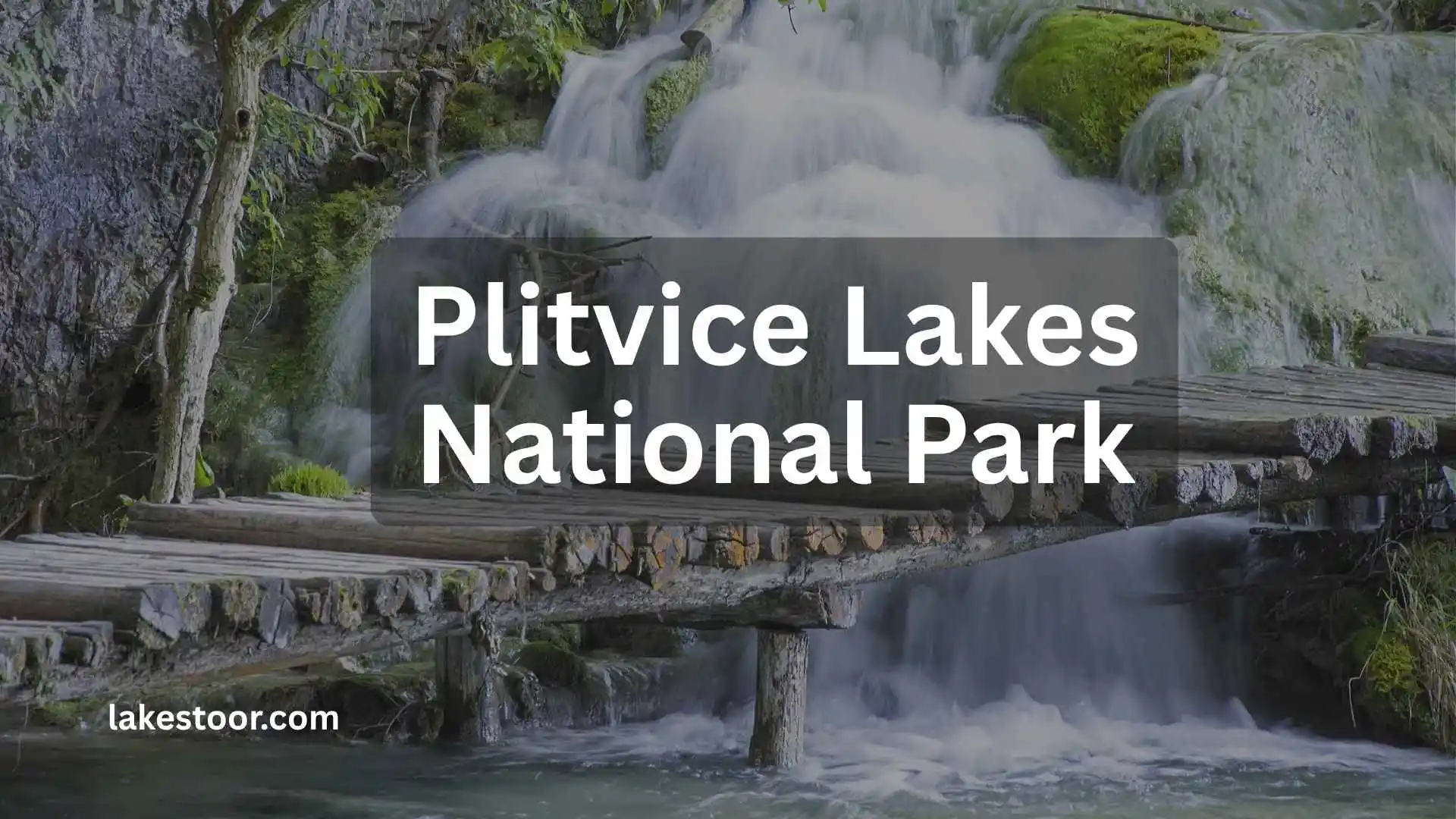
Plitvice Lakes National Park is one of Croatia’s most spectacular natural attractions, known for its turquoise lakes, cascading waterfalls, limestone canyons, dense forests, wooden walkways, and peaceful hiking trails. The park is also a UNESCO World Heritage Site and has been protected as Croatia’s first national park since 1949.
For travelers planning a visit, the biggest questions are usually practical: How do you get to Plitvice Lakes? Which entrance should you use? How much time do you need? What are the best routes? How much do tickets cost? Where should you stay? And is Plitvice Lakes worth visiting?
This detailed guide answers those questions while explaining the park’s major attractions, transportation, parking, accessibility, seasonal differences, and tips for planning a smoother visit.
What Is Plitvice Lakes National Park?

Plitvice Lakes National Park is a protected natural area in central Croatia famous for a connected system of lakes and waterfalls.
The park contains 16 named lakes, generally divided into the Upper Lakes and Lower Lakes. Water flows from one lake to another across natural tufa barriers, creating the waterfalls and cascades that make Plitvice so distinctive.
The landscape is not simply a collection of old waterfalls. Tufa formation is an ongoing natural process involving water, limestone, microorganisms, moss, and vegetation. This continuing geological and ecological process is one of the main reasons Plitvice Lakes received UNESCO World Heritage recognition in 1979.
The park is also much larger than the immediate lake area. Its forests and surrounding habitats support a wide variety of plants and wildlife.
Where Is Plitvice Lakes National Park?
Plitvice Lakes is located in central Croatia, in the mountainous Lika region.
The park can be reached through the D429 road from the Zagreb/Zadar direction and the D52 from the Otočac/A1 direction. The D429 passes the two main visitor entrances, Entrance 1 and Entrance 2.
This location makes Plitvice particularly convenient for travelers moving between Croatia’s inland and coastal areas.
Popular itineraries often combine the park with destinations such as:
- Zagreb
- Zadar
- Split
- Northern Dalmatia
- Central Croatia
- The Croatian coast
If you are driving, it is worth planning your route around your chosen park entrance because Entrance 1 and Entrance 2 are approximately 3 km apart.
Plitvice Lakes National park photos
Plitvice Lakes National Park photos often show turquoise-blue and green lakes, wooden walking paths, dense forests, limestone formations, and waterfalls flowing between natural travertine barriers. The park is especially photogenic because its landscape changes with the season.
Popular subjects for photos include the Lower Lakes, Upper Lakes, Veliki Slap, Kozjak Lake, wooden boardwalks, and panoramic viewpoints. Morning and late afternoon can provide softer natural light and attractive reflections on the water.
Personal photography with a normal camera or mobile phone is permitted. Commercial photography and filming require permission under the park’s rules.
Plitvice Lakes National Park from Zagreb
Plitvice Lakes National Park is a popular day-trip destination from Zagreb because the park is located in central Croatia and has road connections toward the capital. The distance from Zagreb is roughly 140 kilometers, although the exact travel time depends on the route and traffic.
Visitors traveling from Zagreb can drive to the park or use intercity bus services. The main visitor entrances are Entrance 1 and Entrance 2, both located along the D429 road.
For a day trip, leaving Zagreb early is useful because it gives you more time to explore the lakes and walking trails. Travelers who want a slower experience can stay overnight near the park.
Plitvice Lakes National Park weather
Plitvice Lakes has a mountain-influenced climate, so weather can change more quickly than visitors may expect. Summers are generally warmer, while spring and autumn can bring more rain. Winter can bring snow and icy conditions.
The park receives substantial precipitation throughout the year, with spring and autumn among the wetter periods. Comfortable walking shoes and weather-appropriate clothing are important because most visits involve several hours of walking outdoors.
Before visiting, check the current forecast and park conditions. Heavy rain, snow, strong winds, or other weather conditions can affect walking routes and visitor services.
Plitvice Lakes National Park winter

Winter gives Plitvice Lakes a completely different appearance. Snow-covered forests, frozen sections of waterfalls, and quiet trails can create a striking landscape.
The park’s winter visitor options are more limited than during the warmer months. The official park information states that the Lower Lakes are usually open during winter, while the Upper Lakes are normally closed until weather conditions allow them to reopen, often around early April.
Winter visitors should prepare for cold temperatures, snow, ice, and shorter operating hours. Checking conditions before departure is particularly important during this season.
Plitvice Lakes National Park from Split
Traveling to Plitvice Lakes National Park from Split takes longer than traveling from Zagreb or Zadar because Split is farther south on Croatia’s Adriatic coast. The park’s official information lists Split at approximately 228 kilometers from Plitvice Lakes by distance.
The journey can be completed by car or by bus connections, depending on the season and timetable. Because of the distance, travelers from Split may prefer an overnight stay rather than trying to explore the park and return to Split on the same day.
If you are driving, allow extra time for traffic, road conditions, and stops along the way.
Plitvice Lakes National Park accommodation
There are several accommodation choices around Plitvice Lakes National Park, including hotels, campsites, guesthouses, apartments, and private rooms.
Staying close to the park can make an early start easier and gives visitors more time to explore the trails. Hotel Jezero is located within the national park area near Kozjak Lake and Entrance 2. The park also operates or promotes nearby camping options such as Korana and Borje.
Korana Campsite is particularly useful for travelers who prefer camping or bungalow accommodation. The park’s 2026 information places the campsite only a few kilometers from the park entrances, depending on the entrance used.
When choosing accommodation, consider distance to the entrance, parking, transportation, restaurant availability, and the season of your visit.
Plitvice Lakes National Park from Dubrovnik
Dubrovnik is much farther from Plitvice Lakes than Zagreb, Zadar, or Split. Official park information lists Dubrovnik at approximately 465 kilometers from Plitvice Lakes.
Because of this distance, visiting Plitvice Lakes from Dubrovnik is usually more practical as part of a longer Croatia itinerary rather than as a simple day trip.
Travelers can drive north through Croatia or combine different transportation options. A rental car provides greater flexibility for stopping at other destinations along the route, while organized tours can simplify transportation.
If your itinerary includes Dubrovnik, Split, and Plitvice Lakes, planning the route in advance can help avoid spending too much of the trip on the road.
Plitvice lakes national park autumn
Autumn is a beautiful season for visiting Plitvice Lakes because the surrounding forests change from green to shades of yellow, orange, and red. The colorful foliage creates a strong contrast with the blue-green water and pale limestone formations.
The park itself highlights autumn as a special period for walking through forest paths and viewing waterfalls surrounded by changing leaves. Operating hours and visitor services can be different from the peak summer season, so checking the latest information before arrival is useful.
Autumn can also bring more rain, so waterproof footwear and a light rain jacket are practical additions to a day-hiking setup.
Plitvice lakes national park in Croatia
Plitvice Lakes National Park is located in central Croatia in the mountainous Lika region. It is Croatia’s oldest and largest national park and was established as a national park on April 8, 1949.
The park is famous for its system of cascading lakes, waterfalls, forests, and naturally forming travertine barriers. The Plitvice Lakes were added to the UNESCO World Heritage List in 1979 because of their outstanding natural value.
The park contains 16 named lakes connected by waterfalls and cascades. Its combination of clear water, forest landscapes, wooden walkways, and limestone scenery makes it one of Croatia’s most recognizable natural attractions.
Plitvice lakes national park reviews
Reviews of Plitvice Lakes National Park commonly focus on its waterfalls, colorful lakes, walking paths, natural scenery, and the overall experience of exploring a large protected landscape.
Visitors should remember that experiences can vary greatly depending on the season and time of day. Summer can bring large crowds, while autumn and winter can provide a quieter atmosphere but may have different operating conditions.
Reviews are most useful when they discuss specific factors such as trail difficulty, crowd levels, weather, parking, walking time, and accessibility rather than simply describing the park as beautiful.
For a more comfortable visit, check current park information, choose an appropriate sightseeing route, and allow enough time for walking.
Plitvice lakes national park waterfalls
Waterfalls are one of the defining features of Plitvice Lakes National Park. The lakes are connected by natural travertine barriers over which water continuously flows, creating cascades and waterfalls throughout the landscape.
Veliki Slap, or the Great Waterfall, is one of the most recognizable waterfalls in the park. Other waterfalls and cascades can be seen throughout both the Lower and Upper Lakes.
The park’s unusual water system is closely connected to the natural formation of tufa, a type of limestone deposit. Over long periods, these deposits create barriers that shape the lakes and waterfalls. This natural process is one of the major reasons the area received UNESCO World Heritage recognition.
Plitvice lakes national park nearest airport

Several Croatian airports can be used when planning a trip to Plitvice Lakes. The official park information lists approximate distances of:
- Zadar Airport: about 139 km
- Zagreb Airport: about 143 km
- Rijeka Airport: about 169 km
- Split Airport: about 228 km
- Pula Airport: about 276 km
- Dubrovnik Airport: about 465 km
Zadar and Zagreb are therefore among the closest major airport options by the distances published by the park. Actual road travel time can differ because airport distance is not the same as driving distance.
For many international travelers, Zagreb can be convenient because it has strong transport connections to other parts of Croatia. Zadar can also be practical for travelers combining Plitvice with Croatia’s northern Dalmatian coast.
Lake Plitvice National Park
Lake Plitvice National Park, commonly called Plitvice Lakes National Park, is a protected natural area in Croatia known for its interconnected lakes and waterfalls.
The park’s landscape is shaped by water flowing through limestone and creating natural tufa barriers. This process has produced the distinctive system of lakes and cascades that visitors see today.
The park includes extensive walking routes, electric boat transportation, and panoramic vehicles as part of its visitor infrastructure. The official 2026 information lists 22 kilometers of trails around the lake system and 36 kilometers of hiking trails in total.
Because the park is protected, visitors should stay on marked paths and follow conservation rules. The scenery may look inviting, but protecting the water, plants, animals, and tufa formations is essential for preserving the area.
Things to do in Plitvice Lakes
There is more to Plitvice Lakes than simply viewing the waterfalls. The park offers several ways to experience its lakes, forests, and mountain scenery.
Popular things to do include:
- Walk along the wooden paths around the lakes.
- Explore the Lower Lakes.
- Visit the Upper Lakes when they are open.
- See Veliki Slap, the Great Waterfall.
- Ride the electric sightseeing boat.
- Use the panoramic vehicle on available routes.
- Photograph the turquoise and blue-green lakes.
- Explore forest trails and viewpoints.
- Visit during autumn for colorful foliage.
- Experience the snowy landscape during suitable winter conditions.
- Spend a night near the park for a less rushed visit.
The entrance ticket includes designated sightseeing transportation such as the electric boat and panoramic vehicle, depending on the selected sightseeing program.
The best activity plan depends on the season, weather, operating routes, and the amount of time available. Visitors should check the latest park information before choosing a route because individual trails and services can change with conditions.
Why Is Plitvice Lakes National Park Famous?
Plitvice Lakes is famous for the combination of several natural features rather than one attraction.
Visitors come to see:
- 16 named lakes
- Turquoise and blue-green water
- Hundreds of waterfalls and cascades
- Natural tufa barriers
- Limestone cliffs and canyons
- Dense forests
- Wooden boardwalks
- Electric boat rides
- Panoramic vehicles
- Hiking trails
- Wildlife
- UNESCO-protected natural scenery
The water color can appear different depending on sunlight, minerals, vegetation, depth, weather, and other natural conditions. This means photographs of Plitvice can look surprisingly different from one season or day to another.
How Many Lakes Are at Plitvice Lakes?
There are 16 named lakes at Plitvice Lakes National Park.
They are commonly divided into two groups.
Upper Lakes
The Upper Lakes are generally associated with broader, forested landscapes and a series of cascading waterways.
Important lakes in this section include:
- Prošćansko Lake
- Ciginovac
- Okrugljak
- Batinovac
- Veliko Lake
- Malo Lake
- Vir
- Galovac
- Milino Lake
- Gradinsko Lake
- Burgeti
- Kozjak Lake
The Upper Lakes are a good choice for visitors who want a quieter-feeling natural environment and more time surrounded by forest and cascading water.
Lower Lakes
The Lower Lakes are located in a more dramatic limestone canyon.
They include:
- Milanovac
- Gavanovac
- Kaluđerovac
- Novakovića Brod
This part of the park contains steep cliffs, narrow canyon scenery, waterfalls, and some of the most photographed locations in Plitvice.
How Were the Plitvice Lakes Formed?
The geological story behind Plitvice is one of its most fascinating features.
Water moving through the karst landscape carries dissolved calcium carbonate. Under particular natural conditions, calcium carbonate is deposited around mosses and other organisms, gradually forming tufa barriers.
These barriers can slow or redirect water. As they develop, they create natural dams that allow lakes to form.
Water then flows over, through, and around these barriers, producing the waterfalls and cascades visitors see today.
The process continues naturally. In other words, Plitvice Lakes is a living landscape that is still being shaped by geological and biological processes.
This is a major part of the park’s scientific importance and its UNESCO status.
Also Check This Post: Sister Lakes Michigan: Complete Travel Guide to the Lakes, Things to Do, and Places to Stay
Best Things to See at Plitvice Lakes National Park
There are many places worth seeing, but several attractions should be high on a first-time visitor’s list.
Veliki Slap — The Great Waterfall
Veliki Slap, or the Great Waterfall, is one of Plitvice’s most recognizable sights.
It is located near the Lower Lakes and provides one of the park’s classic waterfall experiences.
Entrance 1 is particularly useful for visitors who want quick access to a scenic viewpoint overlooking the Great Waterfall and Sastavci. The park states that the viewpoint is about 100 meters from Entrance 1.
Kozjak Lake
Kozjak is the largest and deepest lake in the Plitvice lake system.
It is also an important part of the park’s visitor transportation system because electric boats operate across sections of the lake.
A boat ride can be a welcome break during a longer walking day while also giving visitors a different perspective of the surrounding landscape.
Lower Lakes Canyon
The Lower Lakes offer some of the most dramatic scenery in the park.
The combination of:
- Tall limestone cliffs
- Deep blue-green water
- Waterfalls
- Narrow pathways
- Forest
- Caves
creates a landscape that feels very different from the Upper Lakes.
Wooden Boardwalks
The wooden walkways are an essential part of the Plitvice experience.
Many trails pass directly above or beside the water, allowing visitors to see waterfalls and clear pools at close range.
However, the boardwalks can become slippery when wet. The park specifically warns visitors about slippery rocks and recommends suitable footwear.
Plitvice Lakes Entrance 1 vs. Entrance 2
One of the most useful decisions to make before visiting is choosing your entrance.
Entrance 1
Entrance 1 is the northern entrance.
It is a strong option if you want easy access to the Lower Lakes and the Great Waterfall area.
It is especially attractive for:
- First-time visitors
- Photographers
- Visitors interested in Veliki Slap
- Shorter visits
- Travelers who want to begin with dramatic scenery
The park identifies Entrance 1 as Rastovača.
Entrance 2
Entrance 2 is the southern entrance.
It provides access to another part of the lake system and can work well for visitors planning longer routes through the Upper and Lower Lakes.
The park identifies it as Hladovina.
Which Entrance Is Better?
There is no single best entrance for everyone.
Choose Entrance 1 if your priority is the Lower Lakes and Great Waterfall.
Choose Entrance 2 if your itinerary or selected sightseeing program works better from the southern side.
The most important thing is to check your ticket and selected route before arrival because the park’s entrances are separated by several kilometers.
Plitvice Lakes Walking Routes
Plitvice Lakes offers multiple circular sightseeing routes through the lake zone as well as hiking trails.
The official park information states that visitors can choose from eight circular routes in the lake zone and four hiking trails.
The routes differ in:
- Distance
- Walking time
- Elevation changes
- Number of lakes visited
- Amount of time spent on boardwalks
- Use of boats and panoramic vehicles
Shorter Routes
Shorter routes are useful if you:
- Have limited time
- Are traveling with young children
- Prefer a relaxed walk
- Mainly want the Lower Lakes
- Do not want a full-day hike
Longer Routes
Longer routes are better for travelers who want a more complete Plitvice experience.
They can include both the Upper and Lower Lakes and make greater use of the park’s transportation system.
The park’s official route information should be checked before visiting because conditions, closures, and transportation schedules can change.
How Difficult Is Hiking at Plitvice Lakes?
Plitvice is not an extreme hiking destination, but visitors should not assume that the entire park is an easy flat walk.
The trails include:
- Uneven terrain
- Wooden bridges
- Steps
- Slopes
- Narrow boardwalks
- Steep sections near the canyon
The official park advises visitors to use appropriate clothing and footwear and warns that conditions can become slippery when wet.
For most reasonably active visitors, the major sightseeing routes are manageable, but the experience can become tiring if you try to cover too much too quickly.
Electric Boats at Plitvice Lakes
Electric boats are an important part of several sightseeing programs.
They operate on Kozjak Lake and allow visitors to experience the landscape from the water instead of walking every section.
The entrance ticket includes transportation by electric boat and panoramic vehicle within the selected sightseeing program.
The boat ride is also useful because it breaks up a long walking route.
During the current operating schedule published by the park, different boat routes operate at different times, so visitors should check the latest schedule before planning their day.
Panoramic Vehicles at Plitvice Lakes
The park also operates panoramic vehicles that connect different areas of the visitor zone.
These vehicles are particularly helpful when you have already walked several kilometers and want to reduce the amount of walking required to return toward your starting point.
The combination of walking, boat transportation, and panoramic vehicles makes it possible to experience a large portion of the park without completing every kilometer on foot.
How Much Time Do You Need at Plitvice Lakes?
The ideal amount of time depends on your priorities.
3–4 Hours
A shorter visit can work if you mainly want to see the Lower Lakes and major highlights.
This is useful for travelers who are passing through Croatia and have limited time.
5–6 Hours
A half-day to substantial day visit gives you more time for:
- Lower Lakes
- Upper Lakes
- Waterfalls
- Boat ride
- Panoramic transportation
- Photography
The park itself lists a full-day guided tour as lasting approximately 5–6 hours.
Full Day
A full day is the best choice for many first-time visitors.
It gives you enough flexibility to walk at a comfortable pace, stop for photographs, take transportation when appropriate, and explore more of the lake system.
One Day Plitvice Lakes Itinerary

If you have one full day, a simple strategy is to arrive early and avoid trying to rush through every attraction.
Morning
Start at your selected entrance and begin with the main lake route.
Focus on:
- Major viewpoints
- Waterfalls
- Lower Lakes
- Wooden boardwalks
Arriving early can help you experience popular sections before visitor numbers become higher.
Midday
Continue toward the Upper Lakes if your route allows.
Use the electric boat where included in your sightseeing program and take a break when needed.
Afternoon
Complete the remaining section of your route and use the panoramic vehicle where appropriate.
Keep some time available for photography because the scenery changes considerably as you move between viewpoints.
Before Leaving
Make sure you have enough time to return to the correct entrance or transportation point.
Do not wait until the final minutes of the day to begin your return journey.
How to Get to Plitvice Lakes National Park
Plitvice Lakes is accessible by car and bus.
The official park identifies the D429 and D52 roads as the main approaches. Bus stops are located close to both major entrances.
From Zagreb
Traveling from Zagreb is one of the most common ways to reach Plitvice.
If you are renting a car, the inland road network makes the park a practical destination for a day trip or overnight stay.
Bus services also connect the interior of Croatia with the coast and stop near the park entrances.
From Zadar
Plitvice can be combined conveniently with a trip to or from Zadar.
The D429 provides access from the Zadar direction.
From Split
Visitors based in Split can make Plitvice part of a longer Croatian road trip, although the distance makes an overnight stay near the park more attractive for travelers who do not want to spend most of the day in transit.
By Bus
Bus travel is possible because bus stops are located near Entrance 1 and Entrance 2.
However, schedules can change seasonally, so check the current timetable before your journey rather than relying on an old schedule.
Plitvice Lakes Parking
Parking is available at both Entrance 1 and Entrance 2.
The official 2026 price list states that parking is paid when leaving the park. During June 1 through September 30, automobile parking is listed at €2 per hour.
If parking areas are full, the park specifically advises visitors not to park along the main road, on green areas, or in a way that blocks traffic.
For a summer visit, arriving early is therefore useful for both the hiking experience and parking.
Plitvice Lakes Tickets and Prices
Entrance tickets are required for the lake zone and hiking trails.
For 2026, the official price list includes seasonal pricing. From June 1 through September 30, an adult day ticket is listed at €40 during the higher-priced period and €25 during the lower-priced period. Student and child prices are lower.
The park also offers two-day tickets.
Ticket prices can change, so always verify the current price before purchasing.
The ticket includes:
- Park admission
- Electric boat transportation within the selected program
- Panoramic vehicle transportation within the selected program
- Visitor insurance
- Access to the park’s sightseeing and hiking areas covered by the ticket
Should You Buy Plitvice Lakes Tickets in Advance?
Yes, especially during the busy season.
The official park encourages visitors to purchase tickets in advance to reduce waiting times. Tickets bought through the official online system are associated with the selected entrance and applicable entry period.
Tickets may also be available at the entrances when they have not sold out.
The park introduced ticket vending machines at Entrances 1 and 2 in 2025 to make same-day and next-day purchases easier.
Also Check This Post: Finger Lakes Wineries: Best Wineries, Wine Trails, Wines, and Trip Planning Guide
Best Time to Visit Plitvice Lakes
Plitvice Lakes is beautiful in every season, but each season offers a different experience.
Spring
Spring can be excellent for visitors who want lush vegetation and strong water flow.
The landscape becomes particularly fresh and green, although weather conditions can be changeable.
Summer
Summer provides long daylight hours and generally convenient conditions for hiking.
The downside is that it is also one of the busiest periods.
If you visit between June and September, consider arriving early and buying tickets ahead of time.
Autumn
Autumn is one of the most visually impressive seasons for forest scenery.
The changing foliage creates a completely different appearance from summer, making autumn attractive for photographers and travelers who prefer cooler temperatures.
Winter
Winter can bring snow, frost, and a quieter atmosphere.
Some trails and visitor services may operate differently during colder periods, so check current conditions before traveling.
How to Avoid Crowds at Plitvice Lakes
Plitvice is a major Croatian attraction, so popular areas can become busy.
To make the experience more comfortable:
- Arrive early
- Purchase tickets ahead of time
- Choose a longer route if you want more time away from the busiest areas
- Avoid spending your entire visit at the first major viewpoint
- Visit during spring or autumn if your schedule is flexible
- Check the current park information before arrival
Early morning is particularly useful for photographers because fewer people can make it easier to enjoy viewpoints and boardwalks.
Where to Stay Near Plitvice Lakes
You can visit Plitvice as a day trip, but staying nearby can make the experience much less rushed.
Accommodation options in and around the park include:
- Hotels
- Guesthouses
- Private rooms
- Apartments
- Campsites
Staying nearby is particularly useful if you want to enter the park early in the morning.
The national park itself provides accommodation options, including Hotel Jezero, while numerous private accommodations are available in surrounding communities.
If your priority is convenience, staying close to the entrance can save transportation time.
If your priority is price, looking farther from the park may provide more choices.
Is Plitvice Lakes Suitable for Families?
Yes, but families should choose their route carefully.
Children who enjoy waterfalls, forests, and nature will likely find the park exciting.
However, parents should remember that the park involves substantial walking and includes uneven terrain, stairs, wooden bridges, and narrow paths.
The park does not recommend children’s trolleys on its lake-zone trails because of the terrain.
For families with young children, a shorter sightseeing route may be more comfortable than trying to cover the entire park.
Is Plitvice Lakes Wheelchair Accessible?
Accessibility is possible in some areas, but the entire park is not wheelchair accessible.
The official park explains that the lake-zone terrain does not allow wheelchair access throughout the park. Staff can recommend more accessible options depending on individual mobility needs.
Entrance 1 has a scenic viewpoint approximately 100 meters from the entrance that provides a view of the Great Waterfall and Sastavci. At Entrance 2, visitors with disabilities can access the P1 boat dock through a route described by the park, and accessible passenger areas are available on the electric boat.
If accessibility is important for your trip, contact the park before arrival so staff can help identify the most suitable route.
What to Wear at Plitvice Lakes
Comfortable footwear should be your first priority.
The park’s trails can include uneven surfaces and slippery areas, especially after rain.
A practical packing list includes:
- Walking or hiking shoes
- Lightweight rain jacket
- Water bottle
- Small backpack
- Sun protection
- Hat
- Extra layer
- Phone or camera
- Snacks
- Weather-appropriate clothing
Avoid wearing smooth-soled fashion shoes if you plan to spend several hours on the trails.
Photography at Plitvice Lakes
Plitvice is one of Croatia’s best destinations for landscape photography.
Good subjects include:
- Waterfalls
- Wooden walkways
- Turquoise lakes
- Limestone cliffs
- Forests
- Reflections
- Autumn foliage
- Misty morning scenery
For fewer people in photographs, early morning is generally preferable.
Most importantly, do not leave designated paths to get a better photograph. The park prohibits wandering away from marked trails because of safety and environmental concerns.
Plitvice Lakes vs. Krka National Park
Both Plitvice Lakes and Krka National Park are famous Croatian waterfall destinations, but they offer different experiences.
Choose Plitvice Lakes If You Want:
- A large interconnected lake system
- Dramatic forest scenery
- Wooden boardwalks
- Limestone canyons
- A more extensive walking experience
- UNESCO World Heritage scenery
Choose Krka If You Prefer:
- A different river-and-waterfall landscape
- Easier integration with coastal Croatia
- A shorter nature experience depending on the route
If you have enough time, visiting both can provide two very different perspectives on Croatia’s freshwater landscapes.
Is Plitvice Lakes Worth Visiting?

For most travelers, yes.
Plitvice Lakes is particularly worthwhile if you enjoy:
- Nature
- Waterfalls
- Hiking
- Photography
- Forest landscapes
- Geological features
- Outdoor sightseeing
It is less suitable if you dislike walking, crowds, uneven paths, or spending several hours outdoors.
The entrance fee can also feel expensive to budget travelers during the peak season. However, the ticket covers the park experience plus designated boat and panoramic transportation, and the scenery is unlike most other attractions in Croatia.
Plitvice Lakes National Park Rules
Because Plitvice is a protected ecosystem, visitors need to follow park regulations.
Important rules include:
- Stay on marked trails
- Do not litter
- Do not feed wildlife
- Do not damage plants or tufa formations
- Keep dogs on a leash
- Follow temporary closures
- Be careful near steep slopes and canyon edges
- Do not enter restricted areas
The park specifically emphasizes that visitors should leave no trace and remain on designated trails.
Is Plitvice Lakes Open All Year?
The park states that Plitvice Lakes National Park is open 365 days a year, although public opening hours and available services vary by season.
During colder periods, some hospitality facilities may close, and accommodation availability can be more limited.
Weather can also affect trail and vehicle operations, so checking the official website before traveling is essential.
Plitvice Lakes National Park FAQ
How many lakes are in Plitvice Lakes National Park?
There are 16 named lakes, divided into the Upper Lakes and Lower Lakes.
What is Plitvice Lakes famous for?
It is famous for its interconnected lakes, waterfalls, tufa barriers, turquoise water, forests, limestone landscapes, and wooden boardwalks.
Is Plitvice Lakes a UNESCO site?
Yes. Plitvice Lakes was added to the UNESCO World Heritage List in 1979.
Which entrance is best at Plitvice Lakes?
Entrance 1 is particularly convenient for visitors interested in the Lower Lakes and Great Waterfall. Entrance 2 provides access from the southern side and can be useful for longer sightseeing programs.
How long should I spend at Plitvice Lakes?
Allow at least several hours for a meaningful visit. A full day is preferable if you want to explore both the Upper and Lower Lakes without rushing.
Can you swim in Plitvice Lakes?
No. Swimming is not part of the normal visitor experience in the protected lake system. Visitors should follow current park regulations.
Can you visit Plitvice Lakes without a car?
Yes. Bus stops are located near both major entrances, making public transportation possible.
Is parking available?
Yes. Paid visitor parking is available at both Entrance 1 and Entrance 2.
Can you bring a dog to Plitvice Lakes?
Dogs are permitted, but they must remain on a leash, including when traveling on the park’s boats and panoramic vehicles.
Are Plitvice Lakes trails suitable for strollers?
The park does not recommend children’s trolleys on its lake-zone trails because of uneven terrain and the characteristics of the paths.
Is Plitvice Lakes suitable for people with disabilities?
Some areas and services are accessible, but the entire park is not wheelchair accessible. The park can recommend more suitable routes and provides certain accessibility facilities.
Final Tips for Visiting Plitvice Lakes National Park
For the best experience, remember these simple recommendations:
- Buy your ticket in advance during busy periods.
- Choose your entrance and route before arriving.
- Arrive early if you want fewer crowds.
- Wear comfortable, non-slip footwear.
- Allow several hours, preferably a full day.
- Use the electric boat and panoramic vehicle when included in your route.
- Bring rain protection, even when the forecast looks favorable.
- Stay on marked trails.
- Check weather and park conditions before leaving.
- Consider staying overnight if you want a relaxed visit.
Final Verdict
Plitvice Lakes National Park is one of the most impressive natural destinations in Croatia and deserves more than a rushed stop at a single waterfall.
Its 16 lakes, waterfalls, tufa formations, forests, canyons, boardwalks, boat rides, and hiking routes create a nature experience that can easily fill an entire day. Its UNESCO World Heritage status also reflects the scientific and ecological importance of the landscape, not just its beauty.
For first-time visitors, the best strategy is to plan ahead: choose the right entrance, reserve tickets when appropriate, wear good walking shoes, arrive early, and leave enough time to explore without rushing.
Whether you visit in the green landscape of spring, the busy warmth of summer, the colorful forests of autumn, or the quieter atmosphere of winter, Plitvice Lakes National Park offers a distinctly different side of Croatia that is well worth experiencing.
Also Check This Post: Chain O Lakes State Park: Complete Guide to Camping, Boating, Fishing, Trails, and Things to Do

Hi, I’m Henry Ashford, a writer with a lifelong interest in lakes, landscapes, and the natural environment. I love exploring how lakes influence wildlife, local communities, tourism, and history. My goal is to create informative content that encourages readers to appreciate and protect freshwater environments.
Every article I write is based on careful research and presented in a straightforward, engaging style that makes learning enjoyable.
Books I’ve Written:
- Discovering the World’s Great Lakes
- Freshwater Landscapes: Stories from Around the Globe
 Oliver Whitmore
 Charlotte Pembroke