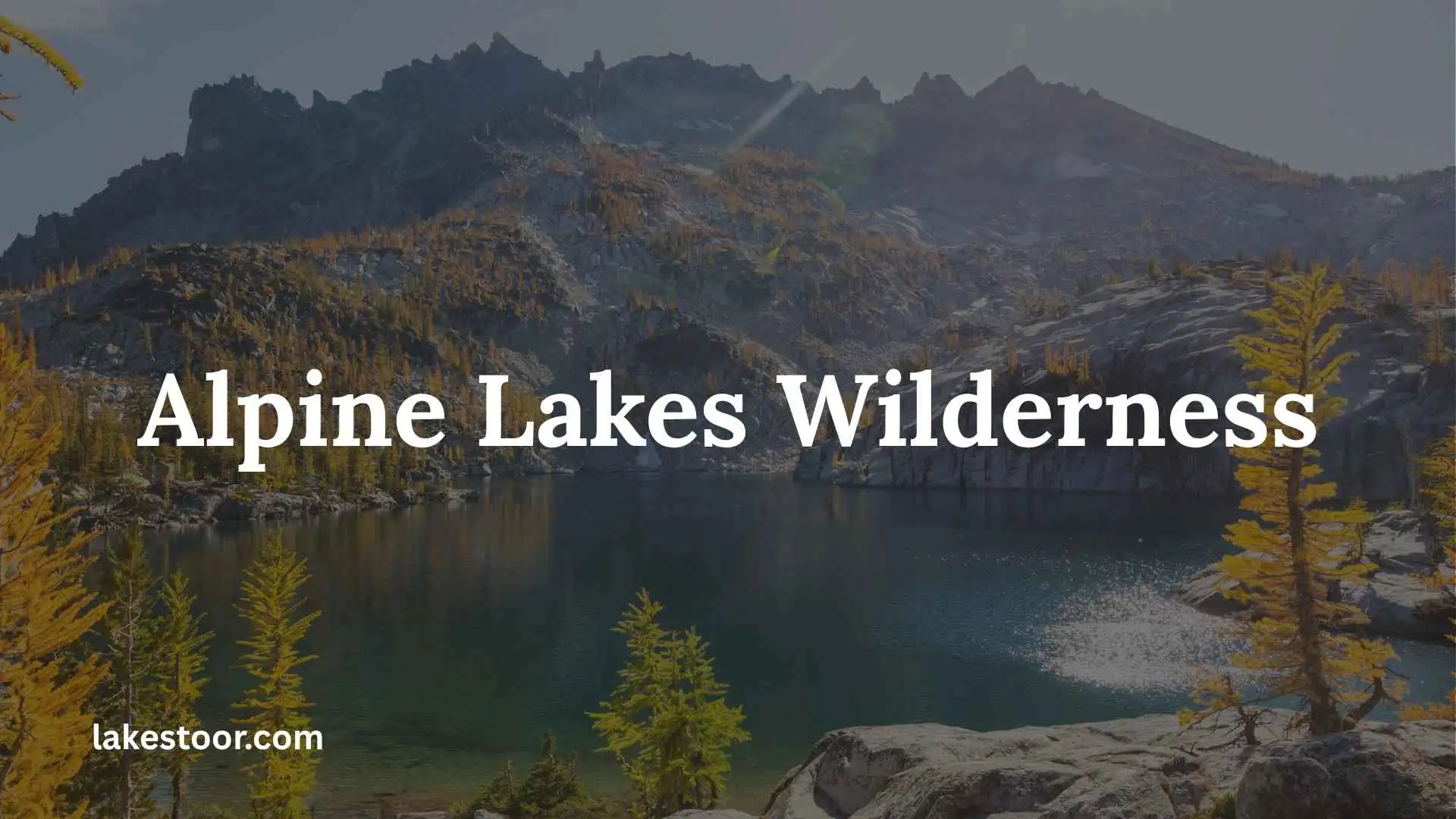
If you’re searching for a place in Washington where glacier-carved mountains, crystal-clear alpine lakes, granite peaks, wildflower meadows, and dense evergreen forests come together, Alpine Lakes Wilderness is one of the most rewarding destinations in the Pacific Northwest.
Located in Washington’s Central Cascades, Alpine Lakes Wilderness covers approximately 394,000 acres and contains more than 700 lakes and mountain ponds. The wilderness is accessed through 47 trailheads and about 615 miles of trails, giving hikers everything from relatively short lake hikes to demanding multi-day backpacking adventures.
The area is best known for The Enchantments, one of Washington’s most spectacular alpine landscapes. However, the Enchantments are only one part of a much larger wilderness area.
Whether you’re planning your first day hike, a weekend backpacking trip, or an ambitious Enchantments adventure, this guide covers what you need to know before visiting Alpine Lakes Wilderness.
What Is Alpine Lakes Wilderness?
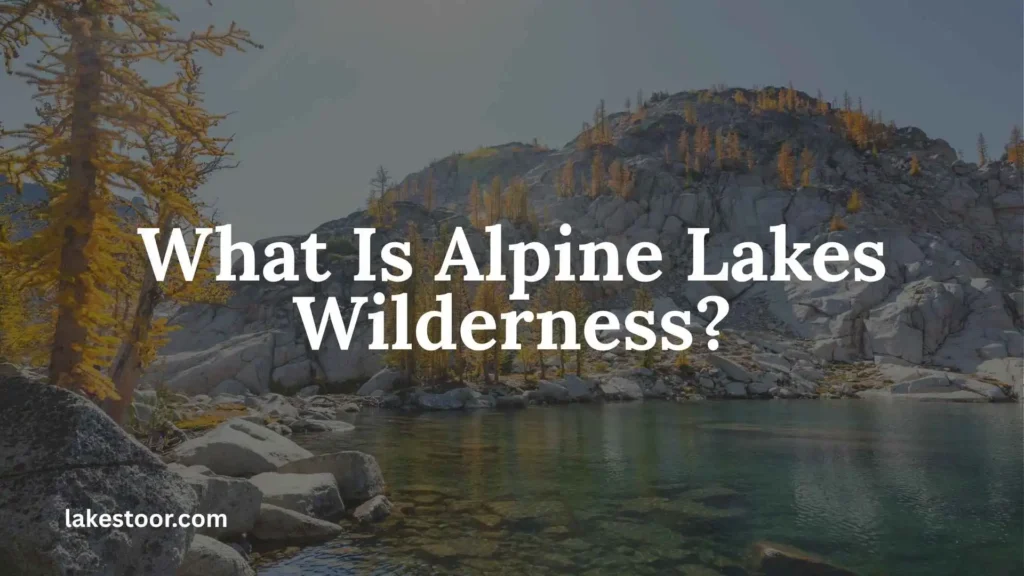
Alpine Lakes Wilderness is a protected wilderness area in Washington’s Central Cascade Range. It includes portions of the Mt. Baker-Snoqualmie National Forest and Okanogan-Wenatchee National Forest.
The landscape has been heavily shaped by glaciers. As a result, visitors encounter deep forested valleys, rocky mountain ridges, granite peaks, alpine meadows, snowfields, and hundreds of lakes and ponds.
The wilderness was designated in 1976 and has become one of Washington’s most popular areas for hiking, backpacking, climbing, wildlife viewing, and other forms of human-powered recreation.
One of its most remarkable characteristics is the variety of terrain. Lower elevations can feel like classic Pacific Northwest forest, with Douglas fir, cedar, and other vegetation. Higher elevations transition into mountain hemlock, meadows, exposed rock, and alpine terrain.
Alpine Lakes Wilderness at a Glance
| Feature | Details |
| Location | Central Cascades, Washington |
| Area | Approximately 394,000 acres |
| Lakes and ponds | 700+ |
| Trailheads | 47 |
| Trails | About 615 miles |
| Pacific Crest Trail | About 67 miles within the wilderness |
| Best known area | The Enchantments |
| Main activities | Hiking, backpacking, camping, climbing, wildlife viewing |
| Landscape | Forests, alpine lakes, granite peaks, meadows and ridges |
The Pacific Crest National Scenic Trail also travels through the wilderness for approximately 67 miles.
Where Is Alpine Lakes Wilderness?
Alpine Lakes Wilderness is located in the Central Cascades of Washington, between several major access corridors.
The wilderness stretches across a large area, so there isn’t one single entrance or visitor center that represents the entire region.
Popular access areas include routes from the Snoqualmie Pass/I-90 corridor, the Leavenworth area, and other trailheads managed by the Mt. Baker-Snoqualmie and Okanogan-Wenatchee national forests.
Because the wilderness is divided between two national forests and multiple ranger districts, the best trailhead for you depends heavily on the hike you want to complete.
For trip planning, don’t simply search for “Alpine Lakes Wilderness trailhead.” Instead, identify your specific destination first and then check the current information for that trailhead.
Alpine Lakes Wilderness Location
Alpine Lakes Wilderness is located in the central Cascade Mountains of Washington State, east of Seattle. It stretches across parts of the Mt. Baker-Snoqualmie and Okanogan-Wenatchee National Forests and is known for its rugged peaks, glacier-carved valleys, alpine meadows, and hundreds of mountain lakes.
The wilderness can be reached from many trailheads along major routes such as Interstate 90 and U.S. Highway 2. Popular access points include areas around Snoqualmie Pass, North Bend, and the Leavenworth region. Because the wilderness covers a large mountain landscape, the best trailhead depends on the lake or route you want to visit.
Alpine Lakes Wilderness Backpacking
Alpine Lakes Wilderness backpacking offers everything from relatively short overnight trips to demanding multi-day routes through remote mountain terrain. Backpackers can travel through forests, rocky passes, open meadows, and high-elevation lake basins.
Popular backpacking destinations include Snow Lake, Rachel Lake, Waptus Lake, and areas around the Enchantments. Trip difficulty varies greatly, so hikers should choose a route based on distance, elevation gain, weather, water availability, and personal experience.
A good backpacking plan should include:
- A detailed trail map and backup navigation method
- Enough food and drinking water
- A suitable tent or shelter
- Warm layers and rain protection
- First-aid and emergency equipment
- A properly stored food supply
- Knowledge of current trail and fire regulations
- A wilderness permit when required
Mountain conditions can change quickly, so a route that looks simple on a map may become considerably harder because of snow, rain, fallen trees, or difficult terrain.
Alpine Lakes Wilderness Photos
Alpine Lakes Wilderness photos often show the dramatic scenery that makes this region so popular. Crystal-clear alpine lakes, granite peaks, green forests, wildflower meadows, and snow-covered mountains create excellent opportunities for landscape photography.
Snow Lake, Lake Serene, Rachel Lake, and the Enchantments are among the areas commonly photographed by hikers. Early morning and late afternoon can provide softer natural light, while clear days often reveal impressive reflections on calm lake surfaces.
When taking photos in the wilderness, hikers should remember that the landscape is more important than getting the perfect shot. Stay on established trails where possible, avoid damaging fragile vegetation, and keep a safe distance from wildlife.
Alpine Lakes Wilderness Weather
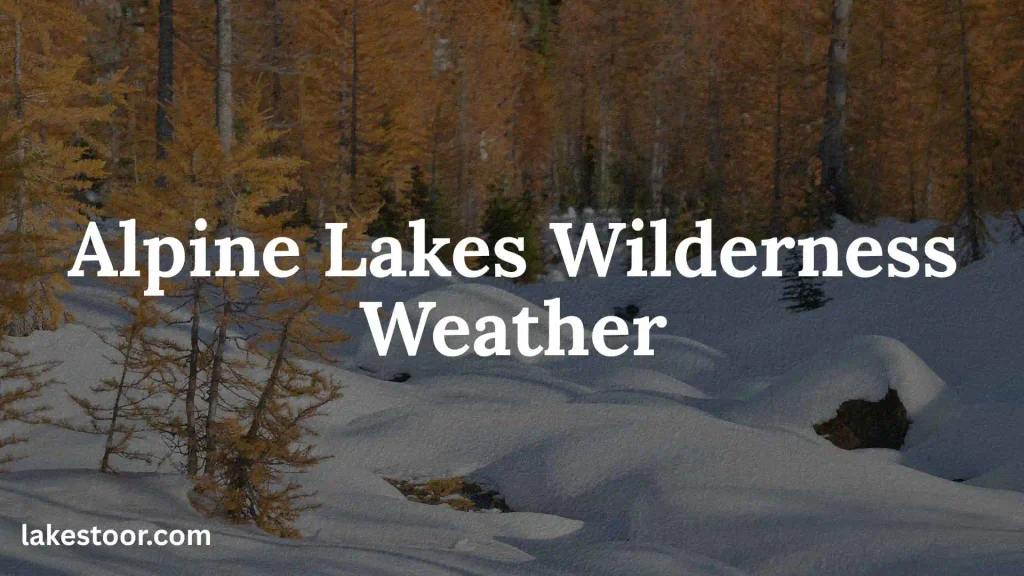
Weather in Alpine Lakes Wilderness can change quickly because of elevation and mountain terrain. A warm, sunny morning can turn into a cold, wet, or windy afternoon, particularly on exposed ridges and high passes.
Summer generally provides more accessible hiking conditions, but snow can remain at higher elevations. Fall can bring cooler temperatures, rain, and shorter daylight hours. Winter and early spring can create serious snow and avalanche conditions on some routes.
Before leaving for a hike, check the forecast for the specific trailhead and elevation rather than relying only on a general Seattle weather forecast. Pack layers and rain protection even when the lower-elevation forecast looks favorable.
Alpine Lakes Wilderness to Seattle
The distance from Alpine Lakes Wilderness to Seattle depends on which trailhead or lake you are visiting. The wilderness is relatively close to the Seattle metropolitan area compared with many other large wilderness destinations, which is one reason it receives heavy recreational use.
For popular routes near Snoqualmie Pass, hikers can travel east from Seattle on Interstate 90. Snow Lake, for example, is reached from the Alpental area near Snoqualmie Pass. The drive is straightforward, but parking at popular trailheads can become difficult during busy weekends.
For destinations farther east, including many Leavenworth-area trailheads, the driving distance and time are greater. Always check road conditions, trail closures, and parking information before starting the trip.
Snow Lake Trail Alpine Lakes Wilderness
The Snow Lake Trail is one of the best-known hiking routes in Alpine Lakes Wilderness. The trail begins near the Alpental area at Snoqualmie Pass and leads hikers through forest and rocky mountain terrain toward Snow Lake.
The route is approximately 7.2 miles round trip with about 1,800 feet of elevation gain, according to the Washington Trails Association. The trail provides views of rugged peaks and the deep blue waters of Snow Lake.
Although Snow Lake is a popular destination, the hike should not be underestimated. Sections are rocky and exposed, and winter conditions can create avalanche hazards. Hikers should check current conditions and carry appropriate equipment for the season.
Alpine Lakes Wilderness Hikes
Alpine Lakes Wilderness hikes range from accessible day hikes to challenging backcountry adventures. The variety of trails makes the area suitable for hikers with different experience levels, but mountain terrain should always be treated with respect.
Some routes lead directly to beautiful alpine lakes, while others climb toward ridges and mountain passes. Popular hiking areas include Snow Lake, Pratt Lake, Rachel Lake, Lake Lillian, and destinations around the Enchantments.
When choosing an Alpine Lakes Wilderness hike, consider more than mileage. Elevation gain, trail surface, route-finding, seasonal snow, stream crossings, and exposure can all affect difficulty.
For beginners, a shorter day hike can be a better introduction than immediately attempting a long backpacking route.
Alpine Lakes Wilderness Permits
Permits are an important part of planning an Alpine Lakes Wilderness trip. The Forest Service states that permits are required for visitors, with general wilderness permits self-issued at trailheads during the May 15–October 31 season. The Enchantments Permit Area has a separate permit system and additional restrictions.
Backpackers should check the current Forest Service requirements for their exact destination because permit rules can vary by area. Some popular destinations have additional camping regulations, and the Enchantments are subject to a more controlled overnight permit system.
Do not assume that a permit for one part of Alpine Lakes Wilderness automatically applies to another area. Check the official rules before your trip.
Alpine Lakes Wilderness Washington
Alpine Lakes Wilderness is one of Washington’s best-known mountain wilderness areas. Its landscape combines steep Cascade peaks, old-growth forests, alpine lakes, rocky ridges, meadows, and remote valleys.
The wilderness is spread across a large area, so it is better to think of it as a network of mountain landscapes rather than a single destination. One trail may offer a relatively short lake hike, while another can involve a demanding multi-day journey.
Its proximity to Seattle also makes it unusually popular. The combination of accessibility and spectacular scenery means hikers should expect busy trailheads and popular routes during favorable weather.
Alpine Lakes Wilderness Area
The Alpine Lakes Wilderness area protects a large section of the central Washington Cascades and contains an extensive collection of lakes, peaks, streams, forests, and alpine environments.
The area supports many types of recreation, including hiking, backpacking, photography, camping, fishing, and wildlife observation where permitted. Its wilderness designation also means visitors are expected to follow Leave No Trace principles and protect the natural character of the landscape.
Because the area is so large, conditions can be very different from one trailhead to another. A route near Snoqualmie Pass may have different snow or weather conditions from a destination closer to Leavenworth.
Alpine Lakes Wilderness Hikers Rescue
Hiker rescues can become necessary in Alpine Lakes Wilderness when visitors encounter injuries, sudden weather changes, navigation problems, falls, exhaustion, or difficult mountain conditions.
The best way to reduce the risk of needing rescue is to prepare before entering the wilderness. Tell someone your planned route, carry navigation tools, bring enough food and water, and keep an emergency communication method with you when possible.
Do not rely completely on a mobile phone because cell service can be limited or unavailable in remote valleys. If conditions become dangerous, turning around early is often safer than continuing deeper into the wilderness.
Hikers should also understand that rescue in steep or remote terrain can take time. Good preparation is therefore part of responsible wilderness travel.
Alpine Lake Washington State
The phrase “alpine lake Washington State” can refer to many high-elevation lakes across Washington rather than one specific lake. Alpine Lakes Wilderness is particularly famous for its concentration of mountain lakes surrounded by Cascade peaks.
Snow Lake is one of the most recognizable examples. Other destinations include Rachel Lake, Lake Lillian, Lake Clarice, and numerous smaller lakes scattered throughout the wilderness.
These lakes differ in size, elevation, accessibility, and scenery. Some can be reached on a day hike, while others require a long backpacking trip.
Alpine Lakes Wilderness Hiking
Alpine Lakes Wilderness hiking is popular because a single trail can combine several types of scenery. A hike may begin in dense forest, climb through rocky terrain, pass wildflower meadows, and finish beside a clear alpine lake.
Good preparation is especially important for longer routes. Check trail conditions, weather, parking requirements, seasonal restrictions, and permit rules before leaving.
Popular trails can also become crowded. Starting early, staying on designated routes, and practicing Leave No Trace principles can help protect the wilderness while making the experience more enjoyable for everyone.
Alpine Northwest
The term “Alpine Northwest” can describe the mountainous landscapes of the Pacific Northwest, including the Cascade and other high-elevation regions of Washington and nearby states. Alpine Lakes Wilderness is a strong example of this environment.
Its combination of rugged peaks, forests, snowfields, alpine lakes, and mountain valleys represents the scenery many visitors associate with the Pacific Northwest. For travelers interested in alpine landscapes without traveling to a distant mountain region, Washington provides many opportunities to experience this environment.
Alpine Lakes Wilderness stands out because its dramatic scenery is accessible from several major highways and communities, while many interior destinations still provide a genuine backcountry experience.
Why Is Alpine Lakes Wilderness So Popular?
The simplest answer is scenery.
Few areas near the Seattle region offer such a large concentration of alpine lakes, rugged peaks, forests, and high-country terrain.
Depending on your route, you may see:
- Turquoise alpine lakes
- Granite cliffs
- Snow-covered mountain peaks
- Wildflower meadows
- Old-growth and dense evergreen forests
- Waterfalls
- Mountain streams
- Mountain goats
- Autumn larches
- High-elevation viewpoints
- Remote backcountry campsites
The area’s popularity also comes from accessibility. Some trailheads can be reached from major roads, making day trips possible, while the huge trail network allows experienced backpackers to travel much farther into the wilderness.
However, popularity has a downside. Recreation.gov notes that Alpine Lakes Wilderness receives nearly 150,000 visitors annually, and managers have had to introduce additional restrictions and emphasize wilderness ethics to reduce impacts.
Best Hikes in Alpine Lakes Wilderness
There isn’t a single “best” hike in Alpine Lakes Wilderness.
The right trail depends on how far you want to hike, your experience level, the season, and whether you’re looking for an alpine lake, mountain views, backpacking, or the Enchantments.
Here are several well-known destinations to consider.
1. The Enchantments
The Enchantments are the most famous destination within Alpine Lakes Wilderness.
This spectacular high-alpine region contains rugged granite peaks, clear lakes, rocky passes, and dramatic mountain scenery. The Enchantment Permit Area ranges from roughly 4,400 feet to 7,800 feet, with lower forested areas transitioning to a high alpine environment.
The popular traverse between the Stuart Lake and Snow Lakes trailheads is a serious undertaking. The route involves substantial elevation gain, steep and rocky terrain, and long mileage.
It should not be treated as a casual day hike simply because many people attempt it in a single day.
For backpackers, the Enchantments are even more complicated because overnight camping requires a specific permit.
Best for: Experienced hikers, backpackers, and visitors prepared for steep alpine terrain.
2. Snow Lake
Snow Lake is another popular destination in the Alpine Lakes Wilderness.
The trail provides access to a dramatic mountain lake surrounded by rugged terrain and forest.
Because of its accessibility and proximity to the Seattle area, it can be particularly busy during summer weekends.
Best for: Hikers looking for a major alpine-lake destination without committing to a multi-day backpacking trip.
3. Talapus and Olallie Lakes
Talapus and Olallie Lakes provide a more approachable way to experience the Alpine Lakes region.
The route passes through forest and reaches mountain lakes without requiring the type of commitment associated with longer alpine traverses.
Best for: Shorter outings and hikers looking for an introduction to the area.
4. Rachel Lake
Rachel Lake is another popular destination for hikers looking for a more substantial day hike.
The route climbs through forest toward the lake and provides a rewarding mountain setting.
Best for: Intermediate hikers looking for a longer and more challenging outing.
5. Other Alpine Lakes Wilderness Trails
One advantage of Alpine Lakes Wilderness is that you don’t have to follow the crowds to experience beautiful scenery.
With hundreds of miles of trails and more than 700 lakes and ponds, there are many destinations beyond the most famous routes.
If your goal is solitude rather than checking off the most famous trail, research less-popular trailheads and consider hiking on weekdays.
Always verify current trail conditions and access before setting out.
The Enchantments vs. Alpine Lakes Wilderness
This distinction is important for anyone planning a trip.
The Enchantments are inside Alpine Lakes Wilderness, but Alpine Lakes Wilderness is much larger than the Enchantments.
People sometimes use the names as though they refer to the same destination, but they don’t.
Think of it this way:
Alpine Lakes Wilderness → The Enchantments are one special area within it.
The Enchantments have additional management requirements because of their exceptionally high visitation and fragile alpine environment.
The Forest Service confirms that overnight permits are required for the Enchantment Permit Area.
This means you should not assume that a permit system designed for the Enchantments applies to every trail and lake in Alpine Lakes Wilderness.
Do You Need a Permit for Alpine Lakes Wilderness?
This is one of the most important planning questions.
The answer depends on where you are going.
For general Alpine Lakes Wilderness trips, the Forest Service uses wilderness regulations and self-issued permits at applicable trailheads. Recreation.gov does not provide reservations for the general Alpine Lakes Wilderness.
The Enchantments are different.
Enchantments Overnight Permits
Overnight stays in the Enchantment Permit Area require a specific permit.
Recreation.gov currently lists two ways to obtain an overnight Enchantments permit:
- The annual advanced lottery
- The daily lottery during the operating season
The daily lottery requires applicants to be within the designated geofence area when applying.
Because permit rules, dates, fees, quotas, and application procedures can change, check the current Recreation.gov listing before planning an overnight Enchantments trip.
Parking Passes
A wilderness permit and a parking pass are not necessarily the same thing.
Some trailheads require a recreation or parking pass. Before leaving home, check the requirements for your exact trailhead and make sure you have the appropriate pass displayed as required.
Alao Check This Post: Vermilion Lakes: Complete Guide to Banff’s Scenic Lakes
Alpine Lakes Wilderness Camping
Backpacking is one of the best ways to experience Alpine Lakes Wilderness.
A day hike gives you only a few hours to experience the landscape. An overnight trip lets you see the mountains during sunrise and sunset and experience the wilderness after most day visitors have left.
However, camping regulations vary by location.
Camping Outside the Enchantments
Many areas of Alpine Lakes Wilderness do not operate under the same limited overnight permit system as the Enchantments.
Visitors should still follow wilderness regulations, use appropriate campsites, minimize their impact, and comply with any location-specific restrictions.
Always check current Forest Service information for your destination because rules can change.
Camping in the Enchantments
Camping overnight in the Enchantments requires an appropriate permit.
The Forest Service describes the Enchantments as a rugged, highly visited landscape where overnight permits are required.
Don’t plan an overnight Enchantments trip assuming you can simply arrive at the trailhead and camp.
Best Time to Visit Alpine Lakes Wilderness
For most hikers, summer through early fall provides the most favorable combination of access and weather, but conditions vary considerably by elevation.
Alpine Lakes Wilderness in Summer
Summer is the busiest hiking season.
Lower-elevation trails may be snow-free while higher routes can still have snow early in the season.
Advantages include:
- Longer daylight
- Warmer temperatures
- Better access to many trails
- Wildflowers
- Accessible alpine lakes
- More predictable hiking conditions
The major disadvantage is crowds.
Popular trailheads can fill early, particularly on weekends.
Alpine Lakes Wilderness in Early Fall
Early fall can be an excellent time to visit.
Temperatures can become more comfortable for strenuous hiking, and some summer crowds begin to disappear.
The high country is also famous for autumn color, particularly the golden larches around the Enchantments.
If seeing fall larches is your goal, monitor conditions carefully because the timing varies from year to year.
Alpine Lakes Wilderness in Spring
Spring can be unpredictable.
Snow may remain at higher elevations even when lower trails appear accessible.
Streams can also be running strongly because of snowmelt.
A trail that looks easy on a summer hiking map can be significantly more difficult in spring.
Alpine Lakes Wilderness in Winter
Winter transforms the region into a snow-covered mountain environment.
However, winter travel requires substantially more preparation and experience.
Avalanche hazards, navigation challenges, short daylight hours, snow-covered trails, and changing weather can make routes that are straightforward in summer extremely difficult.
Unless you have appropriate winter skills and equipment, summer or early fall is generally a better choice.
How Difficult Is Alpine Lakes Wilderness?
There is no single difficulty rating for Alpine Lakes Wilderness.
That’s because the wilderness contains trails ranging from relatively short outings to extremely demanding alpine routes.
Difficulty depends on:
- Distance
- Elevation gain
- Elevation
- Terrain
- Snow
- Weather
- Route-finding
- Backpack weight
- Water crossings
- Your hiking experience
The Enchantments, for example, involve steep and rocky terrain, and the Recreation.gov description specifically notes that trails in the permit area can be alternative with steep, rocky sections.
Is Alpine Lakes Wilderness Good for Beginners?
Yes, but beginners should choose their route carefully.
A first-time hiker shouldn’t choose a demanding alpine traverse simply because it is popular on social media.
Instead, start with:
- A shorter route
- A clearly established trail
- Moderate elevation gain
- Reliable weather
- A trail with straightforward navigation
Once you’ve gained experience, you can progress toward longer backpacking trips and more challenging alpine terrain.
How to Get to Alpine Lakes Wilderness
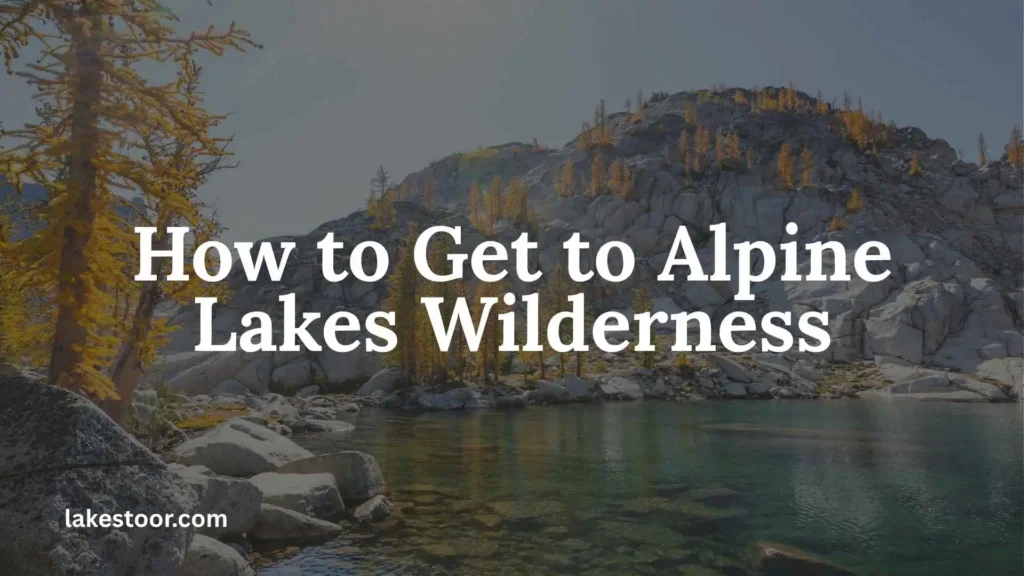
There is no single road that takes you directly into Alpine Lakes Wilderness.
Instead, visitors drive to individual trailheads around the wilderness boundary and continue on foot.
Major access areas include:
- Snoqualmie Pass and the I-90 corridor
- Leavenworth
- Cle Elum
- Stevens Pass
- Other Forest Service roads and trailheads
The exact driving route depends on the hike you choose.
This is why it’s better to select your trail first and then research directions, road conditions, parking requirements, and trailhead access.
Do not assume that a trailhead shown on an older map is currently accessible. Forest roads can be affected by seasonal closures, maintenance, washouts, fire, or other restrictions.
What to Pack for Alpine Lakes Wilderness
Your packing list should depend on whether you’re taking a day hike or backpacking overnight.
Day-Hiking Essentials
At minimum, consider bringing:
- Hiking shoes or boots
- Water
- Water filtration or purification method
- Food and snacks
- Extra clothing
- Rain jacket
- Navigation tools
- First-aid supplies
- Headlamp
- Sun protection
- Emergency communication device for remote routes
Backpacking Gear
For an overnight trip, you’ll also need:
- Backpack
- Tent or shelter
- Sleeping bag
- Sleeping pad
- Cooking system
- Fuel
- Food
- Water-treatment system
- Warm layers
- Rain gear
- Navigation equipment
- First-aid kit
- Emergency supplies
The most important principle is to prepare for conditions rather than simply packing according to the weather forecast.
Mountain weather can change quickly.
Water in Alpine Lakes Wilderness
The abundance of lakes and streams makes water easy to find on many routes, but that does not mean you should automatically drink untreated water.
Carry a filter, purifier, or another appropriate treatment system.
Plan your water stops in advance, particularly on long routes where exposed terrain can increase your water needs.
Even a cool mountain environment can cause dehydration during a long climb.
Wildlife in Alpine Lakes Wilderness
Alpine Lakes Wilderness supports a variety of wildlife.
Hikers may encounter mountain goats and other animals, especially in high-elevation environments.
The Enchantments are particularly known for mountain goats.
Wildlife should always be observed from a safe distance.
Never feed animals, attempt to touch them, or approach them for photographs.
If an animal changes its behavior because of your presence, you’re too close.
Leave No Trace in Alpine Lakes Wilderness
Responsible recreation is essential because Alpine Lakes Wilderness receives heavy visitation.
Recreation.gov specifically warns that high visitation and limited understanding of wilderness ethics have created impacts requiring additional restrictions in some areas.
Follow Leave No Trace principles by:
- Staying on established trails
- Camping only where permitted
- Avoiding fragile vegetation
- Packing out all trash
- Properly disposing of human waste
- Keeping wildlife wild
- Avoiding unnecessary noise
- Leaving rocks, plants, and natural objects where you find them
- Respecting other visitors
- Following fire restrictions
The alpine environment can be surprisingly fragile. A small area of vegetation damaged by repeated foot traffic can take years to recover.
Alao Check This Post: Grassi Lakes: Complete Hiking Guide, Trail Details, Parking, Best Time to Visit & 2026 Update
Alpine Lakes Wilderness Safety Tips
A wilderness trip requires more planning than a normal park visit.
Check Current Conditions
Before leaving, check:
- Weather
- Trail conditions
- Road conditions
- Trailhead access
- Fire restrictions
- Closures
- Permit requirements
- Parking requirements
The Okanogan-Wenatchee National Forest specifically recommends checking with the relevant ranger district for current conditions and restrictions before visiting.
Start Early
For popular trails, an early start can help with parking, heat, crowds, and overall trip timing.
Carry Navigation
Do not depend entirely on cell service.
Download maps for offline use and carry a backup navigation method.
Tell Someone Your Plans
Before entering the wilderness, tell a friend or family member:
- Your destination
- Trailhead
- Expected return time
- Number of people in your group
Know Your Turnaround Point
Don’t allow the desire to reach a lake or summit to override safety.
If weather deteriorates, daylight is disappearing, or you’re moving more slowly than expected, turn around.
Alpine Lakes Wilderness for Backpackers
Backpackers have an enormous amount of terrain to explore.
The combination of hundreds of lakes, long-distance trails, mountain passes, and remote valleys makes the area ideal for multi-day trips.
However, don’t confuse a large trail network with easy navigation.
Routes can involve:
- Long climbs
- Steep descents
- Rocky terrain
- Snow
- Creek crossings
- Limited cell coverage
- Long distances from roads
Plan your itinerary conservatively.
A route that appears manageable on a map can become much harder when carrying a full backpack.
Alpine Lakes Wilderness for Photographers
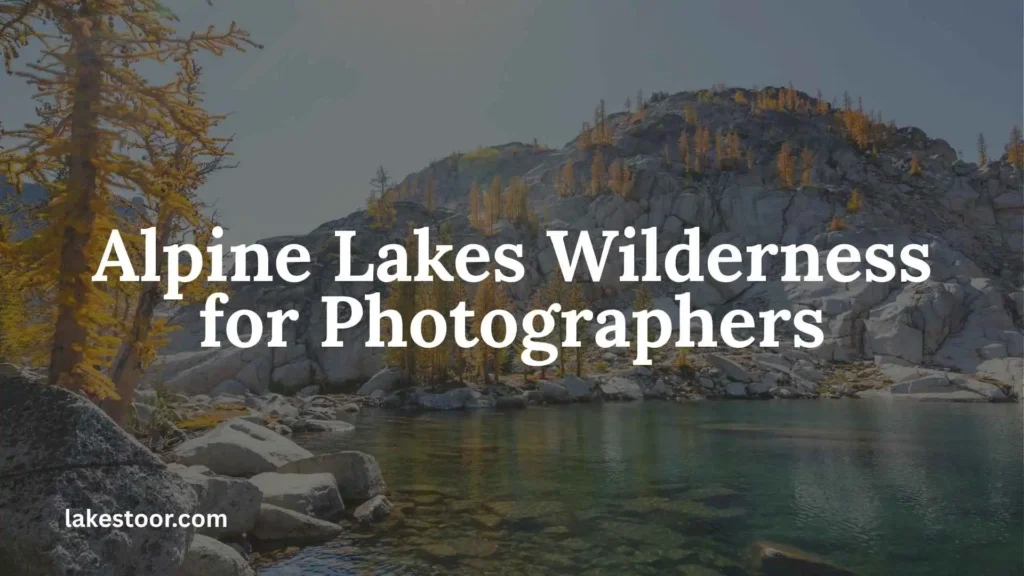
Photographers will find almost endless opportunities.
Some of the most rewarding subjects include:
- Mountain reflections in alpine lakes
- Sunrise over granite peaks
- Wildflowers
- Mountain goats
- Golden larches
- Waterfalls
- Fog in forested valleys
- Snow-covered summits
- Milky Way and night skies
Early morning and late afternoon generally provide better light than the middle of the day.
For landscape photography, calm mornings can be particularly valuable because lakes may produce clearer reflections.
Remember that getting the photograph isn’t more important than protecting the landscape.
Alpine Lakes Wilderness vs. The Enchantments: Which Should You Visit?
If you’re deciding between a general Alpine Lakes Wilderness hike and The Enchantments, consider your experience and goals.
| If you want… | Consider |
| Famous alpine scenery | The Enchantments |
| A challenging adventure | The Enchantments |
| Backpacking with fewer permit complications | Other Alpine Lakes routes |
| A shorter day hike | One of the accessible lake trails |
| Larches in fall | The Enchantments/high country |
| More route choices | General Alpine Lakes Wilderness |
| A first wilderness experience | A moderate, well-established trail |
The Enchantments are spectacular, but they aren’t automatically the best choice for every visitor.
The wider Alpine Lakes Wilderness offers far more variety.
Tips for Avoiding Crowds
If solitude is important to you, timing and destination matter.
Try:
- Visiting on weekdays
- Starting early
- Avoiding major holiday weekends
- Exploring less-famous destinations
- Choosing longer routes
- Visiting outside peak summer weekends
Remember that “less popular” doesn’t necessarily mean empty.
Alpine Lakes Wilderness is a major recreation destination, and even remote areas can experience significant use.
Frequently Asked Questions About Alpine Lakes Wilderness
Is Alpine Lakes Wilderness worth visiting?
Absolutely. The combination of alpine lakes, granite mountains, forests, meadows, wildlife, and extensive hiking opportunities makes it one of Washington’s standout wilderness destinations.
How big is Alpine Lakes Wilderness?
It covers approximately 394,000 acres and contains more than 700 lakes and mountain ponds.
How many trails are in Alpine Lakes Wilderness?
The wilderness has approximately 615 miles of trails accessed through about 47 trailheads.
Is The Enchantments inside Alpine Lakes Wilderness?
Yes. The Enchantments are a distinctive high-alpine area within Alpine Lakes Wilderness.
Do you need a permit to hike Alpine Lakes Wilderness?
Permit requirements depend on the specific destination. General wilderness areas use self-issued wilderness permits where required, while the Enchantments have a separate overnight permit system.
Do you need a permit to camp in The Enchantments?
Yes. Overnight camping in the Enchantment Permit Area requires an appropriate permit.
Can beginners hike in Alpine Lakes Wilderness?
Yes. There are routes suitable for less-experienced hikers, but the wilderness also contains very demanding terrain. Beginners should choose a route that matches their fitness and experience.
What is the best month to visit Alpine Lakes Wilderness?
Summer and early fall are generally the most popular periods for hiking. The exact best month depends on snow conditions, elevation, weather, and your destination.
Can you camp anywhere in Alpine Lakes Wilderness?
No. Camping is subject to wilderness regulations and location-specific restrictions. Use established or appropriate campsites where required and check current rules before your trip.
Is Alpine Lakes Wilderness near Seattle?
Yes. Several trailheads are accessible from the Seattle region, particularly around the I-90 and Snoqualmie Pass corridor. However, driving time varies substantially depending on the trailhead.
Is Alpine Lakes Wilderness good for backpacking?
Yes. With hundreds of miles of trails, numerous lakes, mountain passes, and remote terrain, it is an excellent destination for experienced backpackers.
What should I bring to Alpine Lakes Wilderness?
For most trips, bring adequate water and food, navigation tools, weather-appropriate clothing, first-aid supplies, a headlamp, and emergency equipment. Backpackers need additional shelter, sleeping, cooking, and food-storage equipment.
Planning Your First Alpine Lakes Wilderness Trip
If this is your first visit, don’t try to experience everything at once.
Start by answering four questions:
1. How long do you have?
A few hours, a full day, or several days will lead to completely different trail choices.
2. How experienced are you?
Choose mileage and elevation gain that match your actual experience rather than your ambitions.
3. What do you want to see?
Do you want an alpine lake, mountain views, wildflowers, larches, wildlife, or the Enchantments?
4. Are you prepared for the current conditions?
Check weather, snow, road access, trail conditions, fire restrictions, and permits before leaving.
Once you answer those questions, choosing a trail becomes much easier.
Final Thoughts on Alpine Lakes Wilderness
Alpine Lakes Wilderness is much more than The Enchantments.
Its approximately 394,000 acres contain an extraordinary collection of alpine lakes, rugged peaks, forests, meadows, mountain passes, and trails. With more than 700 lakes and mountain ponds and about 615 miles of trails, the wilderness offers enough variety for everything from short day hikes to ambitious backpacking trips.
The Enchantments deserve their reputation, but they are only one piece of the larger landscape.
For first-time visitors, the best strategy is to choose a route that matches your experience rather than chasing the most famous destination. Check current conditions and regulations, understand the difference between general wilderness requirements and Enchantments permits, prepare for changing mountain weather, and practice Leave No Trace principles.
With thoughtful planning, Alpine Lakes Wilderness can be an unforgettable hiking and backpacking destination in Washington’s Cascade Mountains.
Alao Check This Post: Green Lakes Trail: Complete Hiking Guide to Green Lakes in Oregon

Hello, I’m Oliver Whitmore, and I’ve spent years exploring Britain’s beautiful lakes as well as freshwater landscapes across Europe and beyond. I enjoy researching the history, geography, wildlife, and cultural significance of lakes, then turning that knowledge into practical, easy-to-understand articles.
I believe every lake tells a story, whether it’s shaped by ancient glaciers, surrounded by legends, or home to remarkable wildlife. Through my writing, I hope to help readers discover the beauty and importance of these natural wonders.
Books I’ve Written:
- Britain’s Hidden Lakes
- The Freshwater Explorer’s Handbook
 Charlotte Pembroke