Africa is a continent shaped by monumental power and raw, breathing beauty, yet nothing quite captures its soul like its ancient waters. When I think of the vast, shimmering horizons hidden across this magnificent landscape, I cannot help but feel a deep sense of awe that I know you will share.
Imagine standing on a sun-drenched shore where the water stretches so endlessly it dissolves into the sky, blurring the line between earth and heaven. You can almost feel the warm breeze carrying the echoes of wildlife, ancient cultures, and timeless rhythms that have pulsed through these shores for thousands of years.
These legendary lakes are not just bodies of water; they are living, beating hearts pulsing through the dry earth, waiting for you to discover their secrets. Come with me as we journey across the continent to uncover the breathtaking waters that define Africa’s wild spirit.
Are Lakes in Africa Worth Visiting?(Quick Answer)
Yes, lakes in Africa are worth visiting if You enjoy scenic views, wildlife, boating, photography, cultural travel, birdwatching, beach-style relaxation, or safari add-ons. The best choice depends on Your travel style. Lake Malawi is one of the easiest lake destinations to recommend for a relaxed beach-and-nature trip. Lake Victoria works well for travelers visiting Uganda, Kenya, or Tanzania. Lake Tanganyika is better for adventurous travelers who want depth, remoteness, and dramatic landscapes. Lake Nakuru and Lake Naivasha in Kenya are easier to add to a safari itinerary.
For U.S. travelers, the smartest decision is to choose a lake based on access, safety, health considerations, season, and nearby attractions. Always check current travel advisories, lodge transfer details, water-safety guidance, and whether swimming is recommended in the exact area You plan to visit. The U.S. Department of State updates country-specific travel advisories, and the CDC warns that swimming or wading in some freshwater areas can carry schistosomiasis risk, so local advice matters.
Lakes in Africa Quick Facts
| Category | Useful Details |
| Name | Lakes in Africa / African lake destinations |
| Location | Across East, Central, Southern, North, and West Africa |
| Region | Major concentration in East Africa and the Great Rift Valley |
| Type of place | Natural lakes, rift lakes, volcanic lakes, desert lakes, safari lakes, wetland lakes |
| Main attractions | Lake views, islands, boating, fishing, birding, wildlife, beaches, snorkeling, cultural villages |
| Best for | Outdoor lovers, families, couples, photographers, safari travelers, birdwatchers, adventure travelers |
| Known for | African Great Lakes, freshwater biodiversity, scenic landscapes, lake resorts, safari access |
| Activities | Boat tours, kayaking, fishing, birdwatching, hiking, photography, cultural tours, camping, snorkeling in select areas |
| Dining options | Lakeside lodges, hotel restaurants, local fish dishes, resort dining, city restaurants near major lakes |
| Event/wedding options | Lake-view lodges and resorts may offer destination weddings, retreats, private dinners, and group events |
| Nearby cities | Entebbe, Kampala, Kisumu, Mwanza, Lilongwe, Blantyre, Arusha, Nairobi, Bujumbura, Goma, Lusaka |
| Booking tip | Confirm transfers, park fees, lake activities, swimming advice, and cancellation policies before paying deposits |
What Are Lakes in Africa?
Lakes in Africa are some of the most diverse freshwater and inland-water destinations in the world. They include massive bodies of water such as Lake Victoria, ancient deep rift lakes such as Lake Tanganyika, clear-water beach destinations such as Lake Malawi, alkaline desert lakes such as Lake Turkana, and wildlife-rich safari lakes such as Lake Nakuru, Lake Naivasha, and Lake Manyara.
Many travelers use the phrase “lakes in Africa” when they are trying to decide where to go. Some want a peaceful lake resort. Some want a safari stop with flamingos, hippos, or boat rides. Others want a honeymoon destination that feels different from a typical beach vacation.
The African Great Lakes are especially important. They include major lakes around East Africa and the Rift Valley, such as Victoria, Tanganyika, Malawi, Turkana, Albert, Edward, and Kivu. These lakes are not only travel destinations. They support fishing communities, transport routes, local economies, wildlife habitats, and rare freshwater species. Lake Malawi National Park, for example, is recognized by UNESCO for its deep clear waters, mountain setting, and hundreds of fish species, many of them endemic.
For a traveler, that means lakes in Africa are not one-size-fits-all. A lake trip can feel like a beach vacation, a wildlife safari, a cultural journey, a photography tour, or a remote adventure.
List of lakes in Africa
Africa mein hundreds of natural lakes, crater lakes, saline lakes aur human-made reservoirs hain. Continent ke sabse important lakes ka large concentration East Africa aur Great Rift Valley ke aas-paas milta hai.
A useful list of major lakes in Africa includes:
- Lake Victoria
- Lake Tanganyika
- Lake Malawi
- Lake Chad
- Lake Turkana
- Lake Albert
- Lake Kivu
- Lake Edward
- Lake Tana
- Lake Mweru
- Lake Kariba
- Lake Volta
- Lake Nasser
- Lake Rukwa
- Lake Natron
- Lake Manyara
- Lake Nakuru
- Lake Bogoria
- Lake Elementaita
- Lake Mai-Ndombe
- Lake Bangweulu
- Lake Tana
These lakes vary greatly in size, depth, water chemistry, location, and ecological importance. Some are enormous freshwater bodies, while others are shallow or saline lakes with highly specialized ecosystems.
Top 10 lakes in Africa
The exact order can differ depending on whether lakes are ranked by current surface area, historical maximum area, or another measurement. By surface area, some of Africa’s largest and most significant lakes include:
- Lake Victoria — Tanzania, Uganda, and Kenya
- Lake Tanganyika — Tanzania, Democratic Republic of the Congo, Burundi, and Zambia
- Lake Malawi — Malawi, Tanzania, and Mozambique
- Lake Chad — Chad, Cameroon, Niger, and Nigeria
- Lake Turkana — Kenya and Ethiopia
- Lake Albert — Uganda and Democratic Republic of the Congo
- Lake Mweru — Zambia and Democratic Republic of the Congo
- Lake Tana — Ethiopia
- Lake Kivu — Rwanda and Democratic Republic of the Congo
- Lake Edward — Uganda and Democratic Republic of the Congo
Measurements for lakes such as Chad can fluctuate substantially because their surface area changes with rainfall and water levels. UNEP’s Africa Water Atlas, for example, records different possible surface areas for Lake Chad depending on water levels.
Lakes in Africa and their location
African lakes are spread across many parts of the continent, but the largest concentration of major deep lakes is in East and Central Africa.
| Lake | Location |
| Lake Victoria | Tanzania, Uganda, Kenya |
| Lake Tanganyika | Tanzania, DRC, Burundi, Zambia |
| Lake Malawi | Malawi, Tanzania, Mozambique |
| Lake Chad | Chad, Cameroon, Niger, Nigeria |
| Lake Turkana | Kenya, Ethiopia |
| Lake Albert | Uganda, DRC |
| Lake Kivu | Rwanda, DRC |
| Lake Edward | Uganda, DRC |
| Lake Tana | Ethiopia |
| Lake Volta | Ghana |
| Lake Kariba | Zambia, Zimbabwe |
| Lake Nasser | Egypt, Sudan |
| Lake Mweru | Zambia, DRC |
The East African Rift is particularly important because tectonic activity created deep basins that later filled with water. National Geographic identifies seven major African Great Lakes: Albert, Edward, Kivu, Malawi, Tanganyika, Turkana, and Victoria.
How many lakes in Africa
There is no single universally accepted number of lakes in Africa. The total depends on what is counted as a lake and whether small natural lakes, seasonal water bodies, reservoirs, and wetlands are included.
UNEP notes that the precise number of African lakes, including natural and human-made lakes, is unknown. Its WorldLake database counted 677 lakes in Africa in the referenced dataset.
That figure should therefore be treated as a database count rather than a permanent total. Modern satellite mapping can identify additional small water bodies, while seasonal lakes can change size or disappear during dry periods.
List of lakes in Africa by size
When lakes are compared by surface area, Lake Victoria is the largest lake in Africa. Lake Tanganyika and Lake Malawi follow among the continent’s largest natural freshwater lakes.
A commonly used approximate comparison is:
| Lake | Approx. surface area |
| Lake Victoria | ~59,940–68,800 km² |
| Lake Tanganyika | ~32,000–32,900 km² |
| Lake Malawi | ~30,900–30,800 km² |
| Lake Chad | Highly variable |
| Lake Turkana | ~6,400–8,660 km² |
| Lake Albert | ~5,300 km² |
| Lake Mweru | ~5,000 km² |
| Lake Tana | ~3,000–3,600 km² |
| Lake Kivu | ~2,600 km² |
| Lake Edward | ~2,300–3,500 km² |
Different sources can give different figures, particularly for Lake Victoria and Lake Chad, because measurement methods and water levels vary. UNEP’s Africa Water Atlas provides historical comparative measurements for several of the largest lakes.
Largest lakes in Africa
Lake Victoria is the largest lake in Africa by surface area. It is shared by Tanzania, Uganda, and Kenya and is one of the world’s largest freshwater lakes by surface area.
The next two major freshwater giants are Lake Tanganyika and Lake Malawi. Tanganyika is particularly remarkable because it combines a large surface area with extraordinary depth. It reaches approximately 1,470 meters at its deepest point.
Lake Chad is also historically one of Africa’s largest lakes, but its surface area changes considerably with rainfall, inflow, and seasonal conditions. This makes simple rankings of African lakes less straightforward.
Major lakes in Africa
The major lakes of Africa include both the famous Great Lakes of East Africa and important lakes elsewhere on the continent.
Some of the best-known major lakes are:
- Lake Victoria
- Lake Tanganyika
- Lake Malawi
- Lake Chad
- Lake Turkana
- Lake Albert
- Lake Kivu
- Lake Edward
- Lake Tana
- Lake Volta
- Lake Kariba
- Lake Mweru
- Lake Nasser
These lakes are important for freshwater resources, fishing, transportation, agriculture, wildlife, tourism, and local communities. Their ecological roles also extend beyond their shorelines because many are connected to major river systems.
Main lakes in Africa
The main lakes in Africa are concentrated especially in the Great Rift Valley region. Lake Victoria, Tanganyika, Malawi, Turkana, Albert, Kivu, and Edward are among the best-known.
Other major continental lakes include Chad, Tana, Mweru, Volta, Kariba, and Nasser. These lakes differ considerably in origin. Some are tectonic or rift lakes, while others are associated with river systems or dam construction.
The African Great Lakes are particularly notable because tectonic movements associated with the East African Rift created deep basins capable of holding enormous quantities of water.
Deepest lakes in Africa
Lake Tanganyika is the deepest lake in Africa, reaching approximately 1,470 meters. It is also among the deepest lakes on Earth.
Some of Africa’s deepest lakes include:
| Lake | Approx. maximum depth |
| Lake Tanganyika | ~1,470 m |
| Lake Malawi | ~700 m |
| Lake Kivu | ~475 m |
| Lake Turkana | ~109 m |
| Lake Victoria | ~80–84 m |
| Lake Albert | ~58 m |
The extreme depths of Tanganyika, Malawi, and Kivu are strongly associated with the tectonic history of the East African Rift. A recent scientific review also identifies Tanganyika and Malawi among the continent’s deepest major lakes.
Great Lakes in Africa
The African Great Lakes are a group of major lakes located in and around the East African Rift. National Geographic identifies seven major lakes in this group:
- Lake Victoria
- Lake Tanganyika
- Lake Malawi
- Lake Turkana
- Lake Albert
- Lake Edward
- Lake Kivu
They are spread across several countries, including Tanzania, Kenya, Uganda, Malawi, Mozambique, Rwanda, Burundi, Zambia, Ethiopia, and the Democratic Republic of the Congo.
These lakes are internationally important for freshwater, fisheries, biodiversity, transportation, agriculture, and tourism. They also contain unusual aquatic ecosystems, including many fish species found nowhere else.
Name the main lakes in Africa
If you need a short list of the main African lakes for a school project, geography article, or quick reference, these names are a good starting point:
- Lake Victoria
- Lake Tanganyika
- Lake Malawi
- Lake Chad
- Lake Turkana
- Lake Albert
- Lake Kivu
- Lake Edward
- Lake Tana
- Lake Mweru
- Lake Volta
- Lake Kariba
- Lake Nasser
- Lake Rukwa
- Lake Nakuru
Together, these lakes demonstrate the enormous variety of African inland waters, from deep rift lakes to shallow, seasonal, saline, and reservoir environments.
All lakes in Africa
A literal list of all lakes in Africa would be extremely long and depends on the database and definition used. Africa contains hundreds of named lakes and many smaller water bodies.
UNEP’s WorldLake database previously identified 677 African lakes, but that should not be interpreted as a definitive modern count of every lake on the continent.
Some additional African lakes include:
- Lake Natron
- Lake Manyara
- Lake Eyasi
- Lake Rukwa
- Lake Tana
- Lake Nakuru
- Lake Bogoria
- Lake Elementaita
- Lake Turkana
- Lake Kainji
- Lake Mai-Ndombe
- Lake Bangweulu
- Lake Kariba
- Lake Nasser
- Lake Bosumtwi
- Lake Assal
- Lake Ounianga group
The Lakes of Ounianga in Chad are especially unusual: UNESCO recognizes a group of 18 interconnected lakes in the Sahara, including both saline and freshwater lakes.
Freshwater lakes in Africa
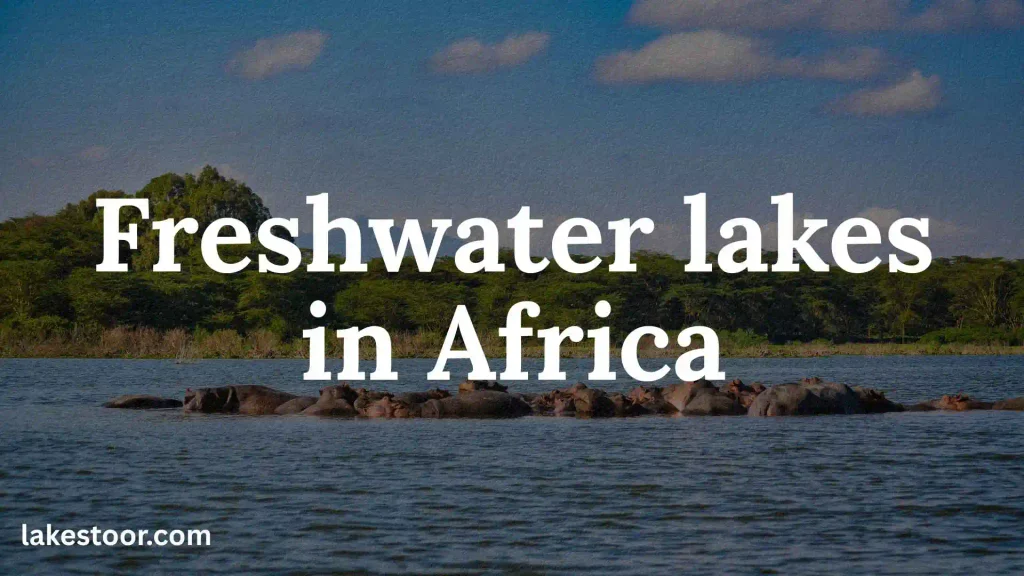
Africa has many important freshwater lakes, particularly in the Great Rift Valley and surrounding regions.
Major freshwater lakes include:
- Lake Victoria
- Lake Tanganyika
- Lake Malawi
- Lake Albert
- Lake Kivu
- Lake Edward
- Lake Tana
- Lake Mweru
- Lake Bangweulu
- Lake Mai-Ndombe
These freshwater systems support fisheries, wildlife, agriculture, transportation, drinking-water resources, and local economies.
Not every famous African lake is freshwater. Some, such as Lake Turkana and several lakes in the Rift Valley, have alkaline or otherwise chemically distinctive water. The Kenya Lake System, for example, includes the alkaline lakes Bogoria, Nakuru, and Elementaita.
3 lakes in Africa
If you only need three famous lakes in Africa, the strongest basic examples are:
Lake Victoria
Lake Victoria is Africa’s largest lake by surface area and is shared by Tanzania, Uganda, and Kenya.
Lake Tanganyika
Lake Tanganyika is famous for its exceptional depth and is shared by Tanzania, the Democratic Republic of the Congo, Burundi, and Zambia.
Lake Malawi
Lake Malawi, also known as Lake Nyasa or Lake Niassa, lies between Malawi, Tanzania, and Mozambique and is one of Africa’s largest and deepest freshwater lakes.
These three lakes are especially important when explaining Africa’s Great Lakes because they demonstrate the enormous scale and geological diversity of the continent’s lake systems.
List of lakes in Africa
For a broader quick-reference list, here are some well-known African lakes:
- Lake Victoria
- Lake Tanganyika
- Lake Malawi
- Lake Chad
- Lake Turkana
- Lake Albert
- Lake Kivu
- Lake Edward
- Lake Tana
- Lake Mweru
- Lake Volta
- Lake Kariba
- Lake Nasser
- Lake Rukwa
- Lake Natron
- Lake Manyara
- Lake Nakuru
- Lake Bogoria
- Lake Elementaita
- Lake Bangweulu
- Lake Mai-Ndombe
- Lake Bosumtwi
- Lake Eyasi
- Lake Kainji
- Lake Assal
This list is not a complete inventory of every African lake; it is a practical list of major and widely recognized examples.
Most beautiful lake in Africa
There is no objective single answer to the most beautiful lake in Africa, because beauty depends on scenery, water color, surrounding mountains, wildlife, beaches, and personal preference.
Several lakes are particularly famous for their scenery. Lake Malawi is known for clear freshwater, beaches, mountains, and diverse aquatic life. Lake Tanganyika combines deep blue water with dramatic mountainous surroundings. Lake Kivu is surrounded by hills and volcanic landscapes in Rwanda and the Democratic Republic of the Congo.
For a completely different setting, the Lakes of Ounianga in Chad provide an extraordinary Sahara landscape where lakes appear between sand dunes and desert terrain. UNESCO describes the site as an exceptional natural landscape with striking colors and shapes.
So rather than treating “most beautiful” as a factual ranking, it is better for readers to compare the landscapes they are interested in—mountains, beaches, wildlife, desert scenery, or clear water.
Where Are Lakes in Africa Located?
Africa’s most famous lakes are concentrated in East Africa, especially along the Great Rift Valley. This region stretches through countries such as Kenya, Tanzania, Uganda, Rwanda, Burundi, Malawi, Zambia, Ethiopia, Mozambique, and the Democratic Republic of the Congo.
The location matters because travel logistics can change dramatically from one lake to another. Lake Victoria is close to major cities such as Entebbe, Kampala, Kisumu, and Mwanza. That makes it more accessible than some remote lakes. Lake Malawi has well-known resort areas and beach lodges, but travel times between airports and lake towns can still be long. Lake Tanganyika touches Tanzania, Burundi, Zambia, and the Democratic Republic of the Congo, but some sections are much more practical for tourism than others.
For safari travelers, Kenya and Tanzania have several lake areas that pair naturally with wildlife routes. Lake Nakuru, Lake Naivasha, and Lake Elementaita are often included in Kenya itineraries. Lake Manyara is commonly paired with Tanzania’s northern safari circuit.
For U.S. visitors, the main planning question is not just “Where is the lake?” It is “How easy is it to reach safely, and what else can I combine with it?” A lake near a major airport, safari park, or trusted lodge network will usually be easier for a first-time Africa trip.
History and Background
Many of Africa’s great lakes were shaped by ancient geological forces. The Rift Valley lakes formed as the earth’s crust pulled apart, creating deep basins that later filled with water. This is why lakes such as Tanganyika and Malawi are long, narrow, and extremely deep.
These lakes have also supported human life for centuries. Fishing, boat transport, lakeside farming, and trade have shaped communities around them. Today, many lakes remain important for food, water, transportation, tourism, and biodiversity.
Lake Victoria is widely known as Africa’s largest lake by area and one of the world’s largest freshwater lakes. It is shared mainly by Tanzania, Uganda, and Kenya, and it plays a major role in regional fishing, transport, and local economies.
Lake Tanganyika is famous for depth and age. It is often described as one of the world’s deepest freshwater lakes, with dramatic shores and remarkable biodiversity. Lake Malawi is known for clear water, beaches, and colorful cichlid fish. Lake Turkana in northern Kenya is a desert lake with striking scenery and archaeological importance.
The travel appeal comes from this mix of natural beauty, cultural life, and ecological value.
Main Experience at Lakes in Africa
Scenic Views
The first thing many travelers notice is scale. Some African lakes feel more like oceans than lakes. At Lake Victoria, the horizon can stretch so far that You forget You are inland. At Lake Malawi, clear blue water meets sandy beaches and mountain backdrops. At Lake Tanganyika, steep green slopes and deep water create a more rugged, remote feeling.
For photographers, sunrise and sunset are often the best times. Fishing boats, islands, birds, mist, and golden light can make lake views especially memorable.
Lake Activities
Common lake activities include boat tours, kayaking, canoeing, fishing, birdwatching, lakeside walks, village visits, and photography. Some destinations offer snorkeling or diving, especially parts of Lake Malawi where the water is clearer and fish diversity is a major draw.
Not every lake is safe or suitable for swimming. Water quality, currents, wildlife, parasites, and local rules vary. Before entering freshwater, ask Your lodge, guide, or local authority about current safety conditions.
Boating
Boat trips are one of the best ways to experience lakes in Africa. In Uganda, boat rides around Lake Victoria or nearby waterways may include birding and island visits. In Kenya, Lake Naivasha boat trips are popular for viewing hippos and birds from a safe distance. On Lake Malawi, boat transfers, island trips, kayaking, and sunset cruises are common in resort areas.
Always choose licensed operators, wear life jackets, and avoid overloaded boats.
Fishing
Fishing is a major part of life around many African lakes. Visitors may find sport fishing opportunities in certain areas, but rules vary by country, lake, season, and protected status. Some lakes have conservation restrictions, and some activities require permits.
Never assume You can fish freely. Ask lodges or local authorities about legal fishing areas, catch rules, and equipment options.
Swimming
Swimming depends heavily on the lake and the exact location. Some Lake Malawi beach areas are promoted for swimming, snorkeling, and kayaking, but freshwater health risks still need local confirmation. The CDC notes that schistosomiasis can be contracted through contact with contaminated freshwater, including swimming, bathing, or wading in affected areas.
For families, this is especially important. Ask before You swim, avoid unknown freshwater, and consider travel-clinic advice before departure.
Hiking
Several lake regions have hiking or walking options nearby. Lake Malawi has hills, island paths, and village walks. Lake Kivu has scenic roads and lakeside towns in Rwanda. Lake Bunyonyi in Uganda is surrounded by terraced hills. Lake Turkana is more rugged and better suited to travelers using experienced local guides.
Camping
Camping is possible near some lakes, but comfort and safety vary. Some areas offer organized campsites, safari camps, or lodge-based camping. Remote camping should only be done with reliable local operators who understand security, wildlife, weather, and road conditions.
Dining
Food experiences often center around fresh fish, local produce, lodge meals, and simple lakeside dining. Higher-end lodges may offer set menus, private dinners, or international dishes. In local towns, food can be more casual and affordable.
Menus, hours, hygiene standards, and availability change, so confirm dining options before arrival, especially in remote places.
Photography
Lakes in Africa are excellent for travel photography. Good subjects include fishing boats, birdlife, islands, lake markets, sunset reflections, volcanic hills, and lodge views. Be respectful when photographing people. Ask permission before taking portraits, especially in villages, markets, and fishing communities.
Family Activities
Family-friendly lake activities may include boat rides, gentle nature walks, swimming in approved areas, cultural visits, wildlife viewing, and lodge-based activities. The best family lake destinations usually have easy transfers, safe lodging, reliable meals, and clear guidance on water safety.
Things to Do at Lakes in Africa
The best things to do depend on the lake, but these activities are common across many destinations.
Take a guided boat tour.
This is often the easiest way to enjoy the scenery, learn about local life, and see birds or wildlife.
Watch sunrise or sunset.
Many lakes are at their most beautiful in soft light. Plan at least one slow morning or evening near the water.
Visit islands.
Lake Victoria, Lake Malawi, Lake Bunyonyi, and other lakes have islands that may offer lodges, villages, birdlife, or quiet beaches.
Go birdwatching.
African lakes attract kingfishers, fish eagles, pelicans, flamingos in some alkaline lakes, herons, cormorants, and many other birds.
Add a safari nearby.
Lake Nakuru, Lake Naivasha, Lake Manyara, and Lake Mburo are especially useful for safari-style itineraries.
Try kayaking or canoeing where safe.
Choose calm, guided, approved areas. Avoid unfamiliar water without local advice.
Enjoy lakeside dining.
A simple fish meal by the water can be one of the most memorable parts of the trip.
Book a photography stop.
Even travelers who are not serious photographers should leave time for lake viewpoints.
Explore local culture.
Some areas offer village visits, markets, craft stops, fishing community tours, or cooking experiences.
Rest.
One of the best reasons to include a lake in an Africa trip is to slow down between safari drives, flights, and long road transfers.
Best Time to Visit Lakes in Africa
The best time to visit lakes in Africa depends on the country and the lake region, but dry seasons are often easier for travel. Roads are usually better, skies are clearer, and outdoor activities are more predictable.
In East Africa, many travelers prefer the drier months from roughly June to October and January to February, though patterns vary by country and elevation. In Malawi and Zambia, the dry season from roughly May to October is often popular for lake and safari travel. The warmer months can be good for beach-style stays, but rain can affect roads, boat schedules, and visibility.
Avoid assuming that one season applies to all African lakes. Lake Victoria’s weather can differ from Lake Malawi, and highland lakes can feel cooler than lowland areas.
Before booking, check:
| Planning Factor | Why It Matters |
| Rainy season | Can affect roads, boat trips, hiking, and visibility |
| Dry season | Often better for safari combinations and easier transfers |
| School holidays | Lodges may book faster and cost more |
| Wind conditions | Can affect boat safety and lake crossings |
| Wildlife seasons | Important if combining lakes with safari parks |
| Health guidance | Mosquito and freshwater exposure risks may vary by area |
Are Lakes in Africa Good for Families?
Yes, many lakes in Africa can be good for families, but You need to choose carefully. The best family-friendly lake destinations are easy to reach, have reliable lodging, safe food, clear activity options, and staff who can explain water safety.
Lake Malawi can work well for families who want beach time, kayaking, snorkeling in appropriate areas, and relaxed lodge stays. Lake Naivasha in Kenya can be a good safari add-on because boat rides and nearby wildlife areas are easy to understand and not too remote. Lake Bunyonyi in Uganda is peaceful and scenic, though road travel should be planned carefully.
Family planning tips:
- Choose a lodge with strong recent reviews.
- Ask about family rooms or connecting rooms.
- Confirm whether the property has safe swimming areas.
- Ask about mosquito nets, drinking water, and medical access.
- Do not let children swim or wade in unknown freshwater.
- Confirm transfer times from the airport.
- Ask whether life jackets are provided for boat trips.
- Check whether meals can be adapted for children.
Families should also speak with a travel clinic before departure, especially for malaria prevention, vaccinations, food safety, and freshwater exposure advice.
Are Lakes in Africa Good for Couples?
Yes, many African lake destinations are excellent for couples. Lakes offer privacy, quiet views, sunset dinners, boat rides, photography, and slower travel days. They can be especially attractive after a safari, when couples may want rest without leaving the natural setting.
Lake Malawi is a strong choice for couples who want a relaxed beach-like setting without going to the ocean. Lake Kivu in Rwanda can work well for couples combining gorilla trekking or cultural travel with a scenic lake stay. Lake Bunyonyi is peaceful and romantic in a simple, nature-focused way. Lake Tanganyika may appeal to adventurous couples who want something less common.
For honeymoon-style travel, ask lodges about private dining, lake-view rooms, transfer arrangements, and cancellation policies. Do not rely only on pretty photos. Read recent reviews and confirm whether the property is quiet, family-heavy, remote, or activity-focused.
Weddings and Events at Lakes in Africa
Some lakeside lodges, resorts, boutique hotels, and safari properties may host weddings, retreats, private dinners, corporate groups, and special events. This is most realistic at established tourism destinations with reliable lodging, catering, transport, and event staff.
Lake Malawi, Lake Victoria, Lake Kivu, and some Kenyan lake regions may have properties suitable for destination weddings or group events. However, planning a wedding in Africa from the USA requires extra attention to legal requirements, guest travel, weather, vendor access, food and beverage rules, and deposit terms.
A lake-view wedding can be beautiful, but it is not the same as booking a local venue in the U.S. You may need to coordinate international flights, visas, transfers, lodging blocks, local marriage paperwork, and backup plans for rain or wind.
Wedding Planning Questions to Ask
Before booking a lakeside wedding venue or event space, ask:
- What ceremony locations are available?
- What is the rain backup plan?
- What is the guest capacity?
- Are food and beverage packages available?
- Are bar packages available?
- Are outside vendors allowed?
- Is parking available?
- Are tables, chairs, linens, and setup included?
- Are there service charges or taxes?
- What is the deposit and cancellation policy?
- Are there photo restrictions?
- Is guest transport available from the nearest airport?
- Are there quiet hours or music restrictions?
- Are legal marriage services available, or should You handle the legal ceremony in the U.S. first?
- What happens if weather affects boat transfers?
Dining and Food Options
Dining around lakes in Africa ranges from simple local food to high-end lodge cuisine. In fishing communities, fresh fish is often central. At resorts and safari lodges, meals may be included in the nightly rate, especially in remote areas where outside restaurants are limited.
Common dining experiences include grilled fish, rice, vegetables, stews, fruit, lodge breakfasts, packed lunches for excursions, and sunset drinks. In larger lake cities such as Kisumu, Mwanza, Entebbe, Gisenyi, or Bujumbura, You may find more restaurant variety.
Do not assume restaurants near remote lakes keep fixed hours or accept credit cards. Menus, opening days, and dining policies can change. Confirm current menu options and hours directly with the lodge or restaurant before visiting.
For travelers with allergies, vegetarian diets, halal needs, gluten concerns, or child-friendly meal requests, contact the property in advance.
How Much Do Lakes in Africa Cost?
Costs vary widely. A simple local guesthouse near a lake can be affordable, while a luxury island lodge or safari-lake resort can be expensive. International flights from the USA, regional flights, private transfers, park fees, and guided activities often cost more than travelers expect.
Do not trust outdated exact prices from old blogs. Use these cost factors instead:
| Cost Category | What Affects the Price |
| International flights | U.S. departure city, season, airline, route, baggage |
| Regional flights | Distance between safari parks, lake towns, and capitals |
| Ground transfers | Road quality, private driver, fuel, distance, border crossings |
| Lodging | Guesthouse, mid-range lodge, luxury resort, island stay, safari camp |
| Entry fees | National parks, reserves, conservation areas, island fees |
| Parking | Mostly relevant for self-drive or local day visits |
| Activities | Boat trips, kayaking, fishing, snorkeling, guided hikes, cultural tours |
| Boat rentals | Private vs shared boats, duration, safety standards |
| Dining | Included meals vs à la carte restaurants |
| Weddings | Venue fee, food and beverage, rentals, flowers, music, guest transport |
| Private events | Group size, exclusivity, setup, taxes, service charges |
| Seasonal pricing | High season, holidays, migration/safari periods |
| Group packages | May reduce per-person costs but require deposits |
Budget travelers may keep costs lower by choosing accessible lake towns and simple lodging. Mid-range travelers may prefer lodges with meals and activities arranged on-site. Luxury travelers may choose private island properties, fly-in safaris, or boutique lake resorts.
Always confirm directly with the official lodge, tour operator, park authority, or tourism board before booking.
Review Summary: What Visitors Commonly Like
Across popular African lake destinations, visitors often praise the scenery first. Lake views, sunsets, birdlife, and peaceful mornings appear again and again in traveler feedback. Many people also enjoy the contrast between safari dust and lakeside calm.
Common positive themes include:
- Beautiful scenic views
- Relaxing atmosphere
- Good birdwatching
- Friendly lodge staff
- Fresh fish and lakeside meals
- Sunset boat rides
- Interesting local culture
- Family-friendly lodge settings
- Romantic lake-view rooms
- Good safari add-on potential
Common mixed themes include:
- Long transfers
- Rough roads in some regions
- Limited restaurant choices outside lodges
- Changing water conditions
- Variable Wi-Fi
- Higher costs at remote lodges
- Need for careful health planning
Because reviews can become outdated, focus on recent feedback from travelers who visited during the same season You plan to travel.
Possible Concerns to Check Before Visiting or Booking
A lake trip in Africa can be wonderful, but it needs smart planning.
Weather: Rain can affect roads, boat trips, hiking, and photography.
Crowds: Popular lakes near safari routes or city escapes can get busy during holidays.
Parking: Day-visit areas may have limited parking or informal arrangements.
Pricing changes: Park fees, boat rates, and lodge prices can change without much notice.
Seasonal closures: Some camps, roads, or activities may close or operate differently during rainy months.
Event availability: Wedding and private-event dates may be limited in high season.
Dining hours: Remote restaurants may close early or require advance notice.
Water safety: Ask about swimming, parasites, hippos, crocodiles, currents, and water quality.
Booking policies: International deposits, refunds, and cancellation windows can be strict.
Private events affecting access: Some lodges or lakefront venues may restrict public access during weddings or group bookings.
Travel advisories: Country conditions can change. Check U.S. Department of State advisories before booking and again before departure.
Who Should Visit Lakes in Africa?
Lakes in Africa are a strong fit for:
Families who want nature, gentle activities, and a slower break between safari days.
Couples who want sunsets, privacy, lake-view rooms, and romantic boat rides.
Outdoor lovers who enjoy kayaking, hiking, birding, photography, and scenic landscapes.
Photographers looking for reflections, fishing boats, wildlife, islands, and dramatic skies.
Safari travelers who want to pair wildlife parks with relaxing water views.
Birdwatchers who want pelicans, kingfishers, fish eagles, flamingos in select areas, and wetland habitats.
Event planners seeking unique retreat or destination-wedding settings.
Local visitors and expats looking for weekend escapes near major cities.
Corporate groups considering retreat-style lodges with outdoor activities.
Who May Not Find It Ideal?
Lakes in Africa may not be ideal for every traveler.
You may want a different trip if You need nightlife, large shopping districts, luxury resort density, short transfers, or predictable U.S.-style service everywhere. Some lake regions are remote, quiet, and slow-paced.
A lake trip may also be challenging for travelers who dislike insects, heat, rustic roads, limited Wi-Fi, or early bedtimes at lodges. Families with very young children should be extra careful around water, boats, balconies, wildlife, and unfenced lodge areas.
Travelers who want guaranteed swimming should research carefully. Not every beautiful lake is safe for swimming.
Pros and Cons of Lakes in Africa
Pros
- Many lakes offer unforgettable scenic views.
- Lake trips pair well with safaris.
- Some areas offer beach-style relaxation without ocean crowds.
- Birdwatching can be excellent.
- Lake lodges can be romantic and peaceful.
- Families can enjoy gentle outdoor activities.
- Photography opportunities are strong.
- Some lakes support snorkeling, kayaking, boating, or fishing.
- Cultural experiences can feel meaningful and local.
- There are options for budget, mid-range, and luxury travelers.
Cons
- Travel logistics can be complicated from the USA.
- Some lake areas require long road transfers.
- Swimming may not be safe everywhere.
- Health risks must be checked before freshwater exposure.
- Remote lodges can be expensive.
- Weather can affect boat trips and roads.
- Dining choices may be limited outside lodges.
- Wi-Fi and phone service can be weak.
- Travel advisories and border rules may change.
- Some destinations require experienced local guides.
Tips Before Visiting Lakes in Africa
For First-Time Visitors
Choose an accessible lake for Your first trip. Lake Malawi, Lake Naivasha, Lake Victoria near Entebbe or Kisumu, and Lake Kivu in Rwanda are often easier to understand than remote lake regions.
Book transfers through Your lodge or a reputable operator. Long road distances can feel very different in Africa than in the U.S.
For Families
Ask about child safety before booking. Confirm life jackets, safe swimming advice, family rooms, food options, medical access, and whether the property has unfenced water access.
Pack sunscreen, hats, insect repellent, water shoes if appropriate, and basic medicine recommended by Your doctor.
For Couples
Choose the mood You want. Lake Malawi is more beach-like. Lake Kivu feels scenic and calm. Lake Tanganyika feels more adventurous. Lake Naivasha is convenient for safari add-ons.
Ask for lake-view rooms, private dining, sunset boat options, and whether the property hosts large groups.
For Event Planners
Get everything in writing. Ask about deposits, cancellation terms, taxes, service charges, vendor rules, guest transfers, power backup, weather backup, and equipment included.
For destination weddings, decide whether the legal ceremony should happen in the U.S. before travel.
For Outdoor Visitors
Use local guides for hiking, kayaking, fishing, and remote routes. Conditions can change quickly on large lakes. Wind, currents, wildlife, and boat safety should be taken seriously.
For Diners
Do not expect every lake area to have many restaurants. In remote destinations, dining is often lodge-based. Confirm meal plans, dietary needs, and payment methods before arrival.
Nearby Alternatives to Compare
When choosing between lakes in Africa, compare nearby alternatives based on Your route, budget, comfort level, and travel goals.
Compare:
- Location
- Cost
- Recent reviews
- Activities
- Parking or transfer access
- Amenities
- Wedding capacity
- Dining options
- Scenery
- Family-friendliness
- Distance from hotels
- Distance from airports
- Safety guidance
- Safari access
- Swimming suitability
Popular alternatives to compare include:
| Lake | Best For | Compare With |
| Lake Malawi | Beach-style lake vacation, snorkeling, relaxation | Zanzibar, Lake Kivu, Lake Tanganyika |
| Lake Victoria | Islands, culture, city access, boat trips | Lake Kivu, Lake Naivasha |
| Lake Tanganyika | Adventure, depth, remote scenery | Lake Malawi, Lake Kivu |
| Lake Kivu | Rwanda travel, scenic towns, couples | Lake Bunyonyi, Lake Victoria |
| Lake Naivasha | Easy Kenya safari add-on, boating, families | Lake Nakuru, Lake Elementaita |
| Lake Nakuru | Wildlife, flamingos when conditions allow, national park | Lake Bogoria, Lake Naivasha |
| Lake Manyara | Tanzania safari circuit | Tarangire, Ngorongoro, Lake Eyasi |
| Lake Turkana | Desert scenery, adventure, archaeology | Samburu region, Ethiopian Rift lakes |
| Lake Bunyonyi | Peaceful Uganda scenery, islands | Lake Mutanda, Lake Kivu |
Lakes in Africa vs Other Local Options
Compared with ocean beach destinations, lakes in Africa often feel quieter, more local, and more connected to inland culture. They may not offer the same resort density as Zanzibar, Mauritius, or the Seychelles, but they can feel more personal and less commercial.
Compared with safari parks, lakes usually offer slower days. Instead of game drives from sunrise to sunset, You may spend time on a boat, read by the water, photograph birds, or enjoy a long lunch with lake views.
Compared with city stays, lake regions offer fresh air, open views, and a calmer pace. However, cities may have better restaurants, shopping, hospitals, nightlife, and transportation.
Compared with U.S. lake destinations, African lakes often require more planning. You need to think about visas, vaccinations, malaria, travel advisories, road transfers, and freshwater safety. The reward is a much more unusual trip with landscapes, wildlife, and cultures You cannot experience at home.
Best Lakes in Africa to Consider
Lake Malawi
Lake Malawi is one of the best choices for U.S. travelers who want a lake that feels like a relaxed beach destination. It has clear water in many areas, sandy shores, islands, kayaking, snorkeling in select locations, and lodge stays ranging from simple to upscale.
UNESCO recognizes Lake Malawi National Park for its clear waters, mountain backdrop, and exceptional fish diversity.
Best for: couples, families, snorkeling, lake beaches, rest after safari.
Lake Victoria
Lake Victoria is Africa’s largest lake by area and is shared by Kenya, Uganda, and Tanzania. It works well for travelers already visiting Entebbe, Kampala, Kisumu, Mwanza, or nearby safari routes. It is known for islands, fishing culture, sunsets, and local lake life.
Best for: cultural travel, islands, city access, boat trips, regional history.
Lake Tanganyika
Lake Tanganyika is one of Africa’s most dramatic lakes. It is long, deep, and bordered by several countries. It suits travelers who want adventure, remote scenery, and a less common route.
Best for: adventurous couples, experienced Africa travelers, remote lodges, dramatic landscapes.
Lake Kivu
Lake Kivu sits between Rwanda and the Democratic Republic of the Congo. On the Rwanda side, towns such as Gisenyi/Rubavu, Kibuye/Karongi, and Cyangugu/Rusizi can fit well with Rwanda itineraries.
Best for: couples, Rwanda travel, scenic drives, calm lake stays.
Lake Naivasha
Lake Naivasha in Kenya is a practical choice for safari travelers. It is relatively accessible from Nairobi and often combined with Hell’s Gate National Park, Crescent Island, and Lake Nakuru.
Best for: families, first-time safari travelers, boat rides, weekend trips from Nairobi.
Lake Nakuru
Lake Nakuru is known for national park scenery, wildlife, and birdlife. Flamingo numbers can vary based on water levels and conditions, so do not plan only around guaranteed flamingo views.
Best for: safari travelers, wildlife photography, Kenya road trips.
Lake Manyara
Lake Manyara is part of Tanzania’s northern safari circuit. The lake and national park are often visited between Arusha, Tarangire, Ngorongoro, and the Serengeti.
Best for: Tanzania safari itineraries, birding, scenic park drives.
Lake Turkana
Lake Turkana is bold, remote, and desert-like. It is not the easiest choice for first-time Africa travelers, but it can be powerful for adventurous visitors with experienced guides.
Best for: expedition-style travel, photography, archaeology interest, desert landscapes.
Lake Bunyonyi
Lake Bunyonyi in Uganda is known for islands, steep green hills, and peaceful lodges. It is often used as a restful stop near gorilla trekking routes.
Best for: quiet stays, couples, Uganda itineraries, scenic relaxation.
Suggested Internal Links for Your Website
- Best lakes in Africa for first-time travelers
- Best safari and lake itineraries in East Africa
- Best family-friendly lakes in Africa
- Best lake resorts in Africa for couples
- Lake Malawi travel guide for U.S. visitors
- Lake Victoria travel guide: Uganda, Kenya, and Tanzania
- Best things to do near Lake Naivasha
- Best African lakes for birdwatching
- Safari vs lake vacation in Africa: which is better?
- Africa travel planning checklist for U.S. tourists
Frequently Asked Questions About Lakes in Africa
What are the most famous lakes in Africa?
The most famous lakes in Africa include Lake Victoria, Lake Tanganyika, Lake Malawi, Lake Turkana, Lake Kivu, Lake Albert, Lake Edward, Lake Naivasha, Lake Nakuru, and Lake Manyara.
What is the largest lake in Africa?
Lake Victoria is widely recognized as the largest lake in Africa by surface area and one of the world’s largest freshwater lakes.
What is the best lake in Africa for tourists?
Lake Malawi is one of the best all-around lake destinations for tourists because it offers beaches, clear water in many areas, lodges, kayaking, snorkeling in select places, and a relaxed pace. Lake Naivasha is easier for a short Kenya safari add-on.
Are lakes in Africa safe to swim in?
Some areas may be used for swimming, but not all lakes are safe. Freshwater health risks, wildlife, currents, and water quality vary. The CDC advises travelers to avoid swimming, wading, or bathing in unsafe freshwater because of schistosomiasis risk.
Which African lake is best for families?
Lake Malawi, Lake Naivasha, Lake Bunyonyi, and some Lake Kivu areas can work well for families when lodging, transfers, food, and safety are planned carefully.
Which African lake is best for couples?
Lake Malawi, Lake Kivu, Lake Bunyonyi, and Lake Tanganyika can be excellent for couples, depending on whether You want beach-style relaxation, scenic towns, quiet hills, or remote adventure.
Can You have a wedding at lakes in Africa?
Yes, some lakeside lodges and resorts offer wedding or event options. Always confirm legal requirements, guest capacity, food and beverage packages, vendor rules, deposits, taxes, and rain backup plans.
Do lakes in Africa have dining options?
Yes, but options vary. Larger lake cities may have restaurants, while remote lodges may include meals in the stay. Confirm current menus, hours, and dietary options before visiting.
How much does it cost to visit lakes in Africa?
Costs depend on flights, lodging, transfers, park fees, boat tours, meals, and season. Simple guesthouses may be affordable, while luxury island lodges or safari camps can be expensive. Confirm current prices directly before booking.
What is the best time to visit lakes in Africa?
Dry seasons are often easier for travel, outdoor activities, road transfers, and safari combinations. Exact timing varies by country and lake, so check the climate for Your specific destination.
Are African lakes good for safari trips?
Yes. Lake Naivasha, Lake Nakuru, Lake Manyara, Lake Albert, and Lake Victoria areas can pair well with safari routes. Lake Malawi can also be used as a relaxing beach-style ending after a safari.
Are there crocodiles or hippos in African lakes?
Some lakes and waterways do have hippos, crocodiles, or other wildlife. Never swim, paddle, or walk near water without local safety advice.
What should U.S. travelers check before booking?
Check passport validity, visas, vaccinations, malaria guidance, travel advisories, lodge transfers, cancellation policies, water safety, and current park or activity fees.
Is Lake Malawi better than Lake Victoria?
Lake Malawi is often better for beach-style relaxation and clear-water activities. Lake Victoria is better for travelers who want major city access, islands, fishing culture, and regional connections in Uganda, Kenya, or Tanzania.
Is Lake Tanganyika easy to visit?
Some areas are accessible, but Lake Tanganyika is generally more complex than Lake Malawi or Lake Naivasha. It is better for travelers comfortable with longer transfers and more adventurous planning.
Are lakes in Africa good for photography?
Yes. They offer sunsets, fishing boats, birds, islands, mountains, reflections, wildlife, and cultural scenes. Early morning and late afternoon are usually best for light.
Do I need a guide for African lake destinations?
For major resort areas, You may not need a guide every day. For remote lakes, boat trips, hiking, fishing, wildlife areas, or border regions, a local guide or trusted operator is strongly recommended.
Final Thoughts
Lakes in Africa are worth considering if You want a trip that feels scenic, meaningful, and different from a standard beach or safari vacation. The best lake for You depends on Your travel style. Lake Malawi is a strong choice for relaxed lake beaches and clear-water scenery. Lake Victoria is ideal for regional culture and city access. Lake Naivasha and Lake Nakuru fit well into Kenya safari routes. Lake Kivu and Lake Bunyonyi are peaceful choices for couples and slower travel. Lake Tanganyika and Lake Turkana are better for adventurous travelers.
The smartest approach is to match the lake to Your itinerary, comfort level, budget, and safety needs. Confirm current travel advisories, health guidance, transfer details, lake activities, dining options, and booking policies before making final plans. With thoughtful planning, an African lake trip can give You something rare: open water, local life, wildlife, quiet mornings, and a deeper sense of place.

Hi, I’m Henry Ashford, a writer with a lifelong interest in lakes, landscapes, and the natural environment. I love exploring how lakes influence wildlife, local communities, tourism, and history. My goal is to create informative content that encourages readers to appreciate and protect freshwater environments.
Every article I write is based on careful research and presented in a straightforward, engaging style that makes learning enjoyable.
Books I’ve Written:
- Discovering the World’s Great Lakes
- Freshwater Landscapes: Stories from Around the Globe
 Charlotte Pembroke