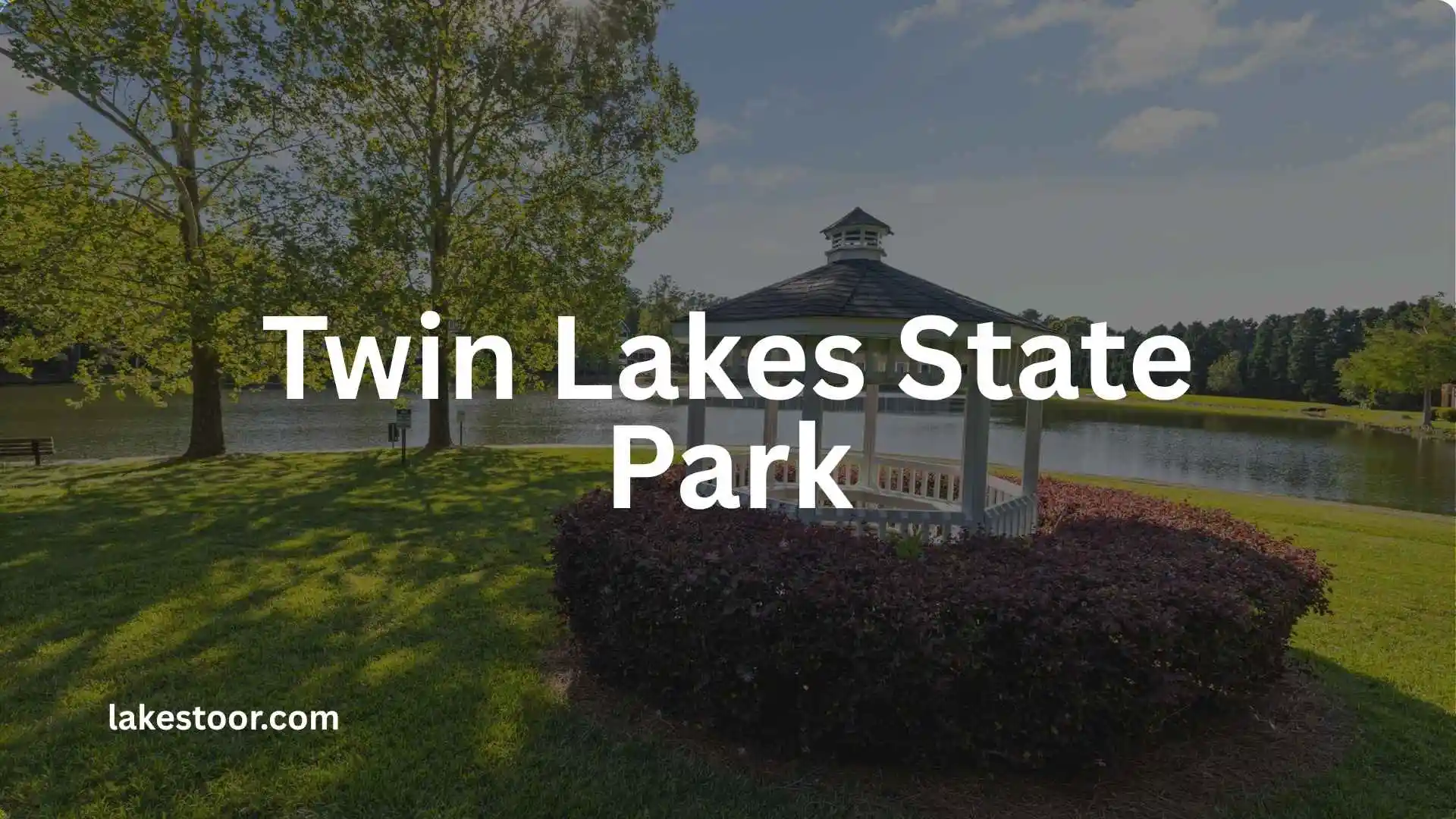
Twin Lakes State Park is a 548-acre historic state park in central Virginia, near Green Bay and about an hour southwest of Richmond.
Built around Goodwin Lake and Prince Edward Lake, the park combines swimming, fishing, boating, hiking, biking, camping, cabins, picnicking, and nature programs with an important history connected to segregation, civil rights, and New Deal-era recreation.
If you are searching for Twin Lakes State Park camping, cabins, trails, swimming, fishing, boat launches, or things to do, this guide covers the practical details you need before visiting.
Twin Lakes State Park Quick Facts
| Feature | Details |
| Location | Green Bay, Virginia |
| Address | 788 Twin Lakes Rd., Green Bay, VA 23942 |
| Park size | 548 acres |
| Lakes | Goodwin Lake and Prince Edward Lake |
| Goodwin Lake | 15 acres |
| Prince Edward Lake | 36 acres |
| Hiking | About 6 miles of park trails |
| Nearby multi-use trail | 8-mile trail in Prince Edward-Gallion State Forest |
| Camping | 32-site campground |
| Cabins | Multiple cabin options, including larger group lodging |
| Swimming | Designated area at Goodwin Lake |
| Fishing | Both lakes |
| Boating | Both lakes; electric motors permitted |
| Park hours | Dawn to dusk |
| Main phone | 434-392-3435 |
Current Virginia State Parks information lists the campground at 32 sites, while some older official pages still refer to 33 sites. For current reservations and availability, use the latest park information rather than older campground descriptions.
Where Is Twin Lakes State Park?
Twin Lakes State Park is located at 788 Twin Lakes Road, Green Bay, Virginia 23942, in Prince Edward County.
The park is in central Virginia, near Farmville. Virginia State Parks describes it as approximately an hour southwest of Richmond. Visitors approaching from U.S. 360 can travel toward Route 613 and then Route 629/Twin Lakes Road.
Its relatively central location makes it useful for visitors looking for a weekend escape involving lakes, forests, camping, and outdoor recreation without traveling to Virginia’s more mountainous western parks.
What Are the Two Lakes at Twin Lakes State Park?
The park’s name comes from its two principal lakes:
- Prince Edward Lake — 36 acres
- Goodwin Lake — 15 acres
Both lakes are used for recreation, including fishing and boating. Goodwin Lake is also the location of the park’s designated swimming area.
The lakes are surrounded by wooded landscapes, giving visitors opportunities to combine water activities with hiking, wildlife observation, photography, and relaxing lakeside picnics.
Things to Do at Twin Lakes State Park
Twin Lakes State Park offers enough activities for both a day visit and a longer camping trip.
1. Go Swimming
Swimming is available in the designated swimming area at Goodwin Lake.
One important detail is that the official park information says unguarded swimming in the designated area is available year-round at no cost. Seasonal guarded swimming may operate during the warmer months, so visitors should check the current schedule before planning a swimming-focused trip. Swimming outside the designated area is prohibited.
During the summer season, the area can be particularly attractive to families looking for a place to cool off.
The park also operates a concession area near the swimming beach during the main summer season, where visitors can purchase snacks, cool treats, and beach-related items.
2. Go Fishing
Fishing is one of the park’s main attractions.
Both Goodwin Lake and Prince Edward Lake contain fish including:
- Sunfish
- Largemouth bass
- Crappie
- Channel catfish
A valid Virginia freshwater fishing license is required for anglers who need one under Virginia regulations. The park notes that fishing licenses can be purchased at the main office.
For families, Twin Lakes can be especially appealing because its lakes provide relatively accessible fishing opportunities without requiring a long backcountry hike.
3. Go Boating
Visitors can enjoy boating on both lakes.
The park has a public boat launch for each lake, and electric motors are permitted. This makes the lakes suitable for visitors who want to explore the water in a canoe, kayak, rowboat, or other permitted craft.
Seasonal boat rentals are also available. Current operating schedules can vary, so check the park’s official information before making boating plans.
4. Hike the Trails
Twin Lakes State Park has approximately six miles of hiking trails running through hardwood forests and along the lakes.
One of the best-known routes is Otter’s Path, which is also accessible to bicyclists.
The park’s trails are useful for visitors who want a relaxed outdoor experience rather than a strenuous mountain hike. Depending on the route and conditions, you can expect forest scenery, lake views, wildlife, and quiet sections away from developed areas.
Before hiking, check the current trail guide and conditions because water levels, storms, and seasonal conditions can affect individual routes.
5. Go Biking
Bicycling is permitted on designated park trails, including Otter’s Path.
For visitors who want a longer ride, the adjacent Prince Edward-Gallion State Forest provides an approximately eight-mile, non-loop multi-use trail for hikers, bikers, and horseback riders. Riders and equestrians age 16 and older need the applicable state forest permit.
This gives cyclists an opportunity to combine a shorter state-park visit with a longer ride in the neighboring state forest.
6. Have a Lakeside Picnic
Twin Lakes is also a good destination for a simple family picnic.
Visitors can combine a picnic with:
- Swimming
- Fishing
- Hiking
- Boating
- Wildlife viewing
- Photography
- Relaxing near the water
The park’s lakeside setting makes it possible to build a full day outdoors without needing to participate in a single major activity.
7. Attend Nature and Educational Programs
Twin Lakes State Park offers interpretive and educational programming throughout the year. Programs can include nature activities, guided experiences, children’s programs, and historical interpretation. Some programs may require registration or an additional fee.
The park’s current event calendar should be checked before visiting because individual programs and schedules change.
For example, Virginia State Parks currently lists History Hour programs at the park during August and September 2026, giving visitors an opportunity to learn about why the park has two lakes and examine historical artifacts.
Also Check This Post: Chain O Lakes State Park: Complete Guide to Camping, Boating, Fishing, Trails, and Things to Do
Twin Lakes State Park Camping
Camping is one of the biggest reasons visitors choose to stay overnight.
The current Virginia State Parks information lists a 32-site campground, with sites ranging from areas suitable for tents to sites capable of accommodating an RV up to approximately 36 feet. The campground is described as seasonal, generally opening from the first Friday in March through the first Monday in December.
What Do Campsites Include?
The current park information says campsites include:
- Water hookups
- Electric hookups
- 20-amp and 30-amp electrical service
- Fire rings
- Site-specific reservations
Because campsite details, fees, availability, and operating dates can change, verify the exact site amenities when making a reservation.
Is Twin Lakes State Park Good for RV Camping?
Yes. Twin Lakes accommodates RV campers as well as tent campers.
The campground includes water and electric hookups, and Virginia State Parks identifies sites capable of accommodating RVs up to approximately 36 feet.
If your RV is close to the maximum length, check the individual campsite dimensions before booking because not every site has the same configuration.
Twin Lakes State Park Cabins
Visitors who prefer a bed and a more comfortable overnight experience can choose from the park’s cabin accommodations.
Virginia State Parks currently describes multiple cabin types and sizes, ranging from two-bedroom cabins to larger group accommodations. The park also has the Bowen Lodge, which can accommodate up to 16 people.
The Bowen Lodge includes:
- Six bedrooms
- Three bathrooms
- Kitchen
- Dining area
- Large common area
- Living room
- Gas-log fireplace
- Porches
- Waterfront views
- Washer and dryer
- ADA accessibility
During the period between Memorial Day weekend and Labor Day, cabin and lodge minimum-stay requirements can apply. Therefore, visitors should check the current reservation rules before choosing dates.
Twin Lakes State Park Trails
If hiking is your primary reason for visiting, Twin Lakes provides approximately six miles of trails through hardwood forests and around the lakes.
Otter’s Path
Otter’s Path is one of the park’s principal trails and is also open to bicyclists.
The route provides an opportunity to experience the wooded landscape and lake environment while getting away from the developed recreation areas.
Other Park Trails
The park trail system also includes shorter connecting and loop routes. These can be useful for visitors who want a quick nature walk instead of a longer hike.
Prince Edward-Gallion State Forest Trail
For a longer adventure, visitors can access the adjacent state forest’s approximately 8-mile non-loop multi-use trail. It is open to hikers, bicyclists, and horseback riders, subject to state forest rules and permit requirements.
Twin Lakes State Park for Families
Twin Lakes State Park is particularly suitable for families because activities are varied and relatively close together.
A family could spend the same day:
- Hiking in the morning
- Fishing around one of the lakes
- Swimming at the designated Goodwin Lake area
- Eating a picnic lunch
- Renting or using a permitted boat
- Participating in a nature program
- Returning to the campground or cabin for the evening
The park also has a playground, and the National Park Service identifies beach/water access, a boat ramp, historical interpretation, and playground facilities among its listed amenities.
Twin Lakes State Park History
The history of Twin Lakes State Park is much deeper than its recreational attractions.
The park grew from two separate recreation areas developed during the New Deal era. The federal government acquired land during the Great Depression, and Goodwin Lake Recreational Area and Prince Edward Lake were developed in the late 1930s. New Deal organizations, including the Civilian Conservation Corps (CCC) and Works Progress Administration, contributed to the development of these recreational landscapes.
The CCC and Camp Gallion
A particularly important part of the story involves Camp Gallion, a CCC camp associated with an alternative CCC company.
CCC workers contributed to infrastructure in the surrounding area, including dams that created the Goodwin Lake and Prince Edward Lake recreation areas.
This New Deal-era landscape remains part of the park’s cultural significance today.
The Era of Segregated Recreation
During Virginia’s segregation era, the two recreational facilities served different racial groups.
Goodwin Lake Recreational Area was designated for white visitors, while Prince Edward Lake Recreational Area served Black visitors. Prince Edward eventually became Prince Edward State Park, established in 1950 after a legal challenge involving racial segregation in Virginia’s state parks.
The National Park Service identifies the site as significant for alternative heritage, architecture, entertainment and recreation, and landscape architecture.
How Did Twin Lakes State Park Get Its Name?
The two facilities continued operating separately for years before being brought together administratively in 1976.
The combined park was eventually named Twin Lakes State Park in 1986. The site is now recognized on the National Register of Historic Places and as part of the Chesapeake Gateways Network.
That history makes Twin Lakes different from a typical recreational lake park: the landscape itself tells an important story about access to public recreation, segregation, civil rights, and changing attitudes toward public spaces.
Best Time to Visit Twin Lakes State Park
The best time depends on what you want to do.
Summer
Summer is the best season for visitors primarily interested in:
- Swimming
- Boating
- Fishing
- Camping
- Beach activities
- Seasonal concessions
- Family programs
The concession and boat-rental operations have seasonal schedules, so check current hours before traveling.
Fall
Fall can be especially appealing for hiking, photography, fishing, and enjoying the changing forest around the lakes. Virginia State Parks specifically highlights Twin Lakes among its destinations for fall lake scenery.
Spring
Spring is a good choice for hiking, biking, fishing, and enjoying the park before the hottest summer conditions.
Winter
Winter offers a quieter experience, although visitors should verify seasonal facility operations, campground availability, weather conditions, and trail conditions before traveling.
Twin Lakes State Park Fees and Reservations
Entrance, parking, camping, cabin, and program fees can change, so it is better to check current Virginia State Parks information rather than rely on an old article or outdated price.
Overnight accommodations can be reserved through Virginia State Parks, and the park provides a reservation phone number of 1-800-933-7275.
For the most accurate information, confirm:
- Current entrance or parking fees
- Campsite prices
- Cabin prices
- Minimum-stay requirements
- Swimming schedules
- Boat-rental schedules
- Seasonal closures
- Special-event fees
Twin Lakes State Park Hours
Virginia State Parks currently lists general park hours as dawn to dusk.
Individual facilities can have different operating hours. For example, seasonal concessions and boat rentals may operate only during certain months and hours. Always check the official park information if you are arriving specifically for swimming, boating, rentals, or a scheduled program.
Also Check This Post: Bottomless Lakes State Park Camping: Complete Guide to Campsites, Fees, Reservations, and Things to Do
What to Bring to Twin Lakes State Park
What you pack depends on your activity, but a practical day-trip or camping list includes:
- Comfortable hiking shoes
- Drinking water
- Sunscreen
- Insect repellent
- Hat and sunglasses
- Swimwear and towel
- Fishing gear
- Required fishing license
- Picnic supplies
- Camera or phone
- Weather-appropriate clothing
- Camping equipment if staying overnight
- Bicycle if you plan to ride the trails
- Personal safety and first-aid supplies
For summer visits, extra drinking water and sun protection are particularly important.
Twin Lakes State Park Rules and Tips
A few rules are especially important to understand before your trip.
Swim Only in the Designated Area
Swimming elsewhere in the park is prohibited. The designated swimming area is at Goodwin Lake.
Follow Fishing Regulations
A valid Virginia freshwater fishing license is required when applicable. Check current Virginia fishing regulations for age requirements, seasons, limits, and other restrictions.
Follow Boating Rules
Boating is permitted on both lakes, with electric motors allowed. Use the appropriate public launch areas and follow current boating regulations.
Respect Historic Resources
Twin Lakes is a historically significant landscape. Visitors should avoid damaging, removing, or disturbing historic structures, artifacts, signs, or archaeological resources.
Check Conditions Before Leaving
Weather can affect trails, swimming, boating, campground operations, and scheduled programs. Checking current park conditions can prevent an unnecessary trip or surprise closure.
Nearby Places to Visit
One advantage of staying at Twin Lakes is that you can combine your park visit with other central Virginia attractions.
High Bridge Trail State Park
High Bridge Trail State Park is a major regional attraction for hiking, biking, and horseback riding. The trail extends for approximately 31 miles and features the famous High Bridge, which rises about 125 feet above the landscape. Virginia State Parks notes that some access points are roughly 15 minutes from Twin Lakes.
Prince Edward-Gallion State Forest
The state forest directly complements Twin Lakes with its approximately eight-mile multi-use trail for hiking, biking, and horseback riding.
Farmville
Farmville is a useful base for visitors who want restaurants, shopping, cultural attractions, and additional outdoor activities during a central Virginia trip.
Moton Museum
For visitors interested in civil rights history, the Moton Museum in Farmville provides an opportunity to learn more about the history of education and the civil rights movement in Prince Edward County.
Other Regional Parks and Historic Sites
Virginia State Parks and the National Park Service identify additional attractions in the surrounding region, including Holliday Lake State Park and Appomattox-area historical destinations. These can be combined into a longer central Virginia road trip.
Is Twin Lakes State Park Good for a Weekend Trip?
Yes.
A two-night stay gives you enough time to experience several sides of the park without rushing.
Day 1
Arrive and set up your campsite or cabin. Spend the afternoon walking along the lake, fishing, swimming if the seasonal operation is open, and enjoying a picnic.
Day 2
Spend the morning hiking or biking. Later, explore the lakes by boat, go fishing, or participate in a scheduled nature or historical program.
Day 3
Have a relaxed breakfast, take a short final hike, and visit a nearby attraction such as High Bridge Trail State Park before heading home.
This type of itinerary works particularly well for families because it mixes active recreation with slower activities.
Who Should Visit Twin Lakes State Park?
Twin Lakes State Park is a good choice for:
- Families
- Campers
- RV travelers
- Beginning anglers
- Hikers
- Cyclists
- Kayakers and boaters
- History enthusiasts
- Wildlife watchers
- Visitors interested in civil rights history
- People looking for a quiet Virginia lake getaway
It may be less suitable for travelers seeking steep mountain hikes, large resort-style facilities, or extensive nightlife.
Frequently Asked Questions About Twin Lakes State Park
Where is Twin Lakes State Park?
Twin Lakes State Park is located at 788 Twin Lakes Road, Green Bay, Virginia 23942, in Prince Edward County.
How big is Twin Lakes State Park?
The park covers approximately 548 acres. Its two principal lakes are Prince Edward Lake, at 36 acres, and Goodwin Lake, at 15 acres.
Can you camp at Twin Lakes State Park?
Yes. The current park information lists a 32-site campground with water and electric hookups. The campground accommodates both tents and RVs, with site-specific reservations.
Does Twin Lakes State Park have cabins?
Yes. The park offers several cabin types and larger lodging options, including the Bowen Lodge, which can accommodate up to 16 people.
Can you swim at Twin Lakes State Park?
Yes. Swimming is available in the designated swimming area at Goodwin Lake. Unguarded swimming is available year-round in that designated area, while seasonal guarded swimming may have a separate schedule. Swimming elsewhere in the park is prohibited.
Can you fish at Twin Lakes State Park?
Yes. Both Goodwin Lake and Prince Edward Lake offer fishing for species such as largemouth bass, sunfish, crappie, and channel catfish. A Virginia freshwater fishing license is required when applicable.
Can you boat at Twin Lakes State Park?
Yes. Boating is permitted on both lakes, electric motors may be used, and each lake has a public boat launch.
How many hiking trails are at Twin Lakes State Park?
The park has approximately six miles of hiking trails through hardwood forests and along the lakes. There is also an eight-mile multi-use trail in the adjacent Prince Edward-Gallion State Forest.
Is Twin Lakes State Park historically significant?
Yes. The park developed from two formerly segregated recreational facilities and preserves an important story involving New Deal-era development, alternative recreation, segregation, civil rights, and the eventual integration of the two facilities. The site is listed on the National Register of Historic Places.
Is Twin Lakes State Park open year-round?
The park itself operates on a broader schedule, with general hours listed as dawn to dusk, but individual facilities have seasonal schedules. The campground, for example, is seasonal, while cabins are available year-round according to current Virginia State Parks information.
Final Thoughts
Twin Lakes State Park is more than a Virginia camping destination. Its two lakes provide opportunities for swimming, fishing, boating, hiking, biking, and lakeside relaxation, while its campground, cabins, and lodge make longer stays possible.
What truly distinguishes the park, however, is its history. The landscape preserves the story of New Deal recreation, the Civilian Conservation Corps, segregated public parks, alternative access to outdoor recreation, and the eventual merger of two separate facilities.
For travelers searching for Twin Lakes State Park camping, cabins, swimming, fishing, hiking, boating, or things to do, the park offers a well-rounded central Virginia getaway. Check current Virginia State Parks information before traveling for reservations, fees, facility schedules, trail conditions, and seasonal changes.
Also Check This Post: Bottomless Lakes State Park: Complete Guide to Lakes, Camping, Swimming, Hiking, Fees, and Things to Do

Hello, I’m Oliver Whitmore, and I’ve spent years exploring Britain’s beautiful lakes as well as freshwater landscapes across Europe and beyond. I enjoy researching the history, geography, wildlife, and cultural significance of lakes, then turning that knowledge into practical, easy-to-understand articles.
I believe every lake tells a story, whether it’s shaped by ancient glaciers, surrounded by legends, or home to remarkable wildlife. Through my writing, I hope to help readers discover the beauty and importance of these natural wonders.
Books I’ve Written:
- Britain’s Hidden Lakes
- The Freshwater Explorer’s Handbook
 Charlotte Pembroke