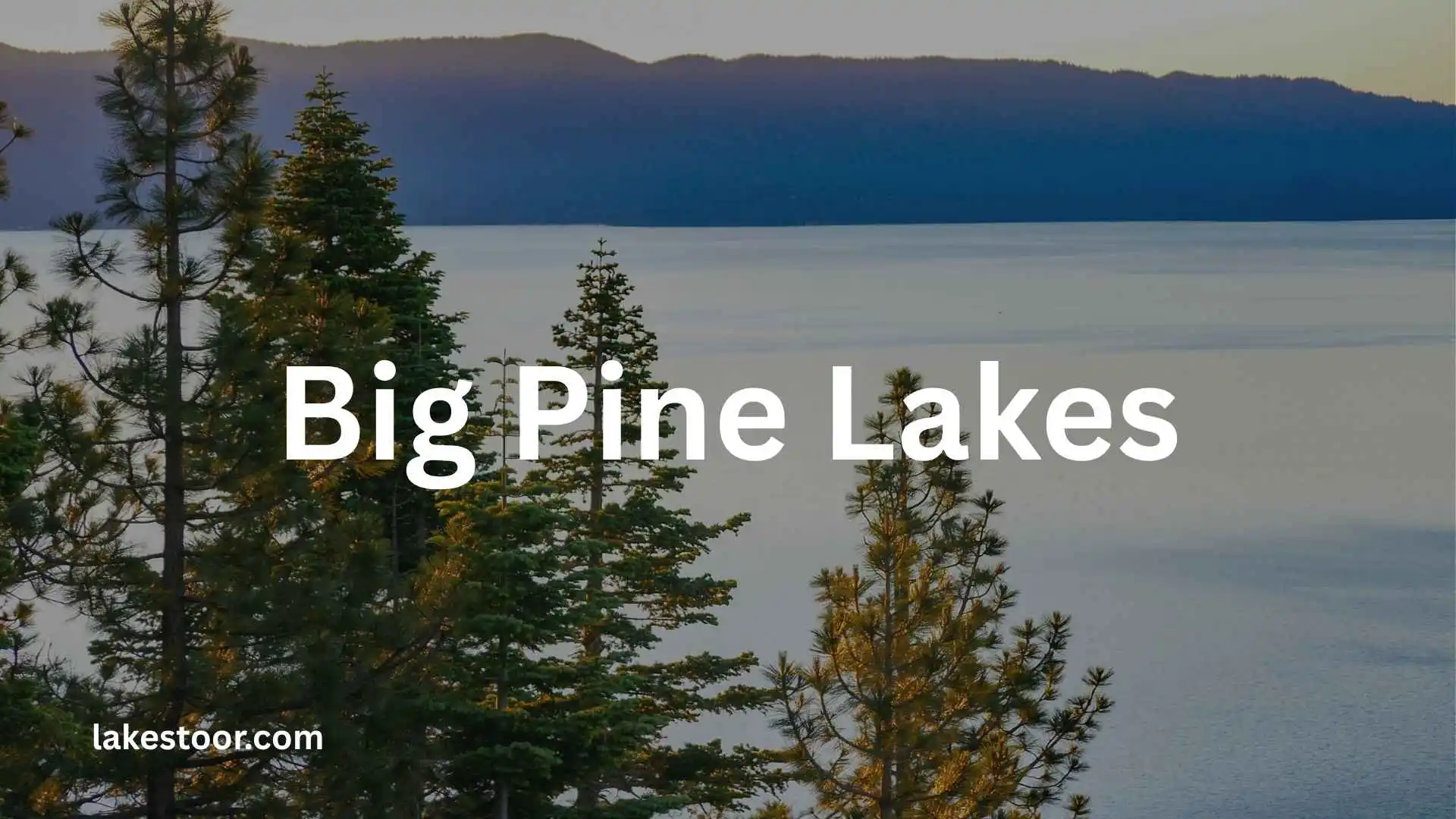
Big Pine Lakes is one of the most spectacular hiking destinations in California’s Eastern Sierra. Located in the John Muir Wilderness of Inyo National Forest, the trail leads from Big Pine Creek into a dramatic alpine basin filled with turquoise lakes, granite peaks, waterfalls, forests, and some of the Sierra Nevada’s most memorable mountain scenery.
The route is best known for First, Second, and Third Lakes and the imposing Temple Crag above the basin. Longer adventures can continue toward additional lakes and the Palisade Glacier.
If you are planning a trip to Big Pine Lakes, this guide covers what you need to know before you go, including the trail route, distance, elevation, difficulty, parking, permits, camping, water, weather, wildlife, best viewpoints, seasonal conditions, and practical one-day and backpacking itineraries.
Big Pine Lakes at a Glance
| Information | Details |
| Location | Big Pine, California |
| Region | Eastern Sierra |
| Forest | Inyo National Forest |
| Wilderness | John Muir Wilderness |
| Main trail | Big Pine Creek North Fork Trail |
| Trailhead | Big Pine Creek North Fork area |
| Main attractions | First, Second and Third Lakes, Temple Crag, Palisade Glacier |
| Difficulty | Challenging |
| Best season | Generally summer through early fall, depending on conditions |
| Day hiking | Popular |
| Backpacking | Yes, with required wilderness permit |
| Wildlife | Bears and other Sierra wildlife |
| Water | Streams and lakes; treat natural water before drinking |
| Main access road | Glacier Lodge Road |
| Nearest town | Big Pine |
The Forest Service identifies the Big Pine Creek North Fork as trail code JM23 and lists a wilderness quota for overnight trips.
What Is Big Pine Lakes?
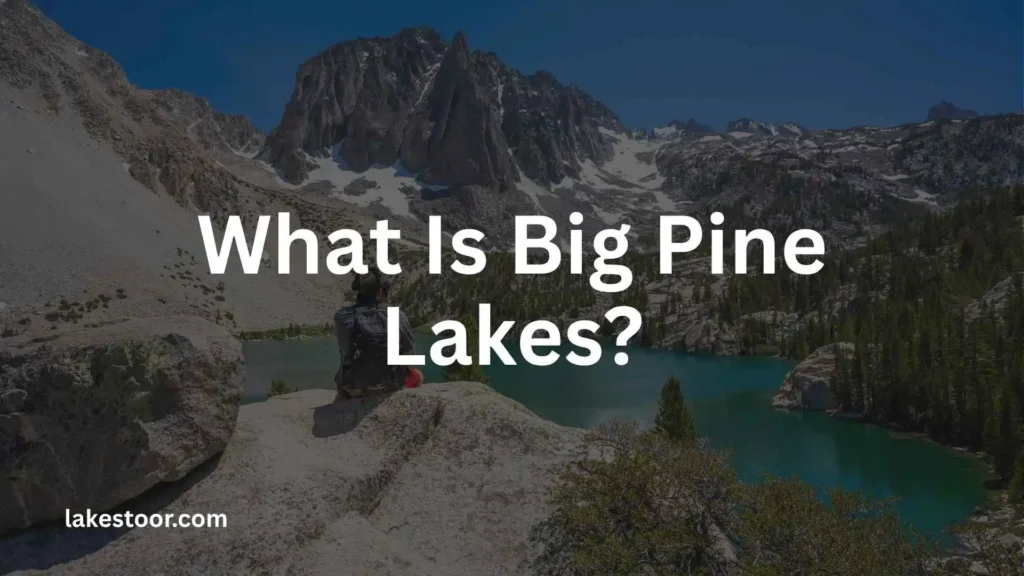
Big Pine Lakes is a group of high-elevation alpine lakes accessed from the Big Pine Creek North Fork Trail near Big Pine, California.
The route climbs from the Big Pine Creek area into the John Muir Wilderness. Along the way, hikers encounter forest, waterfalls, mountain streams, granite terrain, and increasingly dramatic views of the Sierra Nevada.
The main trail passes First, Second, and Third Lakes. The Forest Service notes that Third Lake is fed directly by the Palisade Glacier and can have a distinctive milky turquoise appearance caused by glacial material carried by meltwater.
That combination of alpine lakes and towering granite peaks is what makes Big Pine Lakes so popular.
Where Is Big Pine Lakes?
Big Pine Lakes is located near the town of Big Pine in Inyo County, California.
From U.S. Highway 395 in Big Pine, visitors travel west toward the Big Pine Creek area on Glacier Lodge Road. The Forest Service’s trail information describes the trailhead access from Big Pine and identifies day-use and overnight parking arrangements in the area.
The location makes Big Pine Lakes a convenient destination for travelers exploring the Eastern Sierra and the Highway 395 corridor.
Why Is Big Pine Lakes Famous?
Big Pine Lakes is famous for its combination of:
- Turquoise and blue alpine lakes
- Massive granite cliffs
- Temple Crag
- Sierra Nevada wilderness
- Waterfalls
- Glacial scenery
- High-elevation hiking
- Photography opportunities
- Backpacking opportunities
The scenery becomes increasingly dramatic as you gain elevation.
For many visitors, the defining view is a mountain lake framed by the rugged granite of Temple Crag.
How Hard Is the Big Pine Lakes Hike?
Big Pine Lakes is a challenging hike, especially for people who are not accustomed to long climbs at elevation.
The difficulty comes from several factors rather than one single obstacle:
- Significant elevation gain
- Long hiking distance
- High starting elevation
- Higher alpine elevations
- Rocky terrain
- Potential snow and ice
- Rapid weather changes
- Limited opportunities to simply stop and rest in developed areas
A hiker who regularly completes long mountain hikes may find the route manageable with proper preparation. Someone who normally hikes short, flat trails should not approach Big Pine Lakes as a casual day hike.
Is Big Pine Lakes Good for Beginners?
It can be suitable for an experienced beginner who has trained for the distance and elevation, but it is not an ideal first-ever mountain hike.
If you are new to hiking, build up your endurance before attempting the full route.
Practice with:
- Long uphill walks
- Stair climbing
- Weekend hikes
- Elevation gain
- Carrying a loaded backpack
- Hiking for several consecutive hours
The altitude is also important. Big Pine Lakes begins much higher than most lowland hiking trails, so the same distance can feel considerably harder.
Big Pine Lakes Trail Route
The Big Pine Creek North Fork route begins near the end of Glacier Lodge Road and enters the mountain canyon.
The Forest Service describes the route as passing through sagebrush, manzanita, and Jeffrey pine before reaching Second Falls and continuing along the creek. Farther along, hikers enter forested terrain and eventually reach the lakes.
Trailhead to the Lower Trail
The first part of the hike takes you through a mixture of forest and mountain vegetation.
This section may feel relatively ordinary compared with the spectacular scenery farther ahead, but it provides an important gradual transition from the road-accessible valley into the wilderness.
Second Falls
Second Falls is one of the notable features along the route.
Water and mountain scenery become increasingly prominent as the trail continues upward.
This is also a good reminder that the landscape changes considerably with elevation, so weather and trail conditions near the lakes can differ from conditions in Big Pine.
First Lake
First Lake is one of the main destinations for day hikers.
The landscape becomes distinctly alpine here, with the lake surrounded by rugged mountains.
For visitors who are short on time or energy, First Lake can provide an impressive experience without requiring them to continue farther into the basin.
Second Lake
Second Lake is arguably the most famous destination in the Big Pine Lakes basin.
The combination of clear mountain water, granite walls, and Temple Crag makes this one of the most recognizable scenes in the area.
If your main goal is photography, Second Lake should be high on your list.
Third Lake
The main trail continues beyond Second Lake toward Third Lake.
The Forest Service specifically notes that Third Lake receives water directly from the Palisade Glacier and can display a milky turquoise color because of glacial sediment.
Third Lake is therefore more than simply another scenic stop—it provides a close look at how glacial processes influence the landscape.
What Is Temple Crag?
Temple Crag is the dramatic granite formation rising above the Big Pine Lakes basin.
It is one of the defining visual features of the area and appears prominently from several viewpoints around the lakes.
You do not need to climb Temple Crag to appreciate it. For most hikers, viewing the peak from the lakes is the safer and more practical way to experience the landscape.
Can You Hike Beyond the Main Lakes?
Yes.
The Big Pine Creek North Fork route provides access to additional high-country terrain beyond the first few lakes.
The Forest Service describes routes toward Black Lake, additional lakes, and the Palisade Glacier. The trail to the Palisade Glacier continues above Third Lake, although the upper portion becomes obscure and involves boulder travel.
This distinction is important:
Visiting Big Pine Lakes is not the same as hiking all the way to Palisade Glacier.
The farther you go, the more demanding the terrain becomes.
Big Pine Lakes Elevation and Altitude
Elevation is one of the most important factors to consider when planning this hike.
The trail begins at a relatively high elevation and climbs considerably higher into the Sierra Nevada.
Altitude can make hiking more difficult even when the weather feels pleasant.
Possible effects of elevation can include:
- Headache
- Unusual fatigue
- Shortness of breath
- Reduced hiking pace
- Difficulty sleeping during overnight trips
Do not try to “push through” severe altitude symptoms. If you feel significantly worse as you climb, descending is the safest response.
How Long Does Big Pine Lakes Take?
The answer depends on your destination and pace.
A trip to the lower lakes can be completed as a long day hike by fit and experienced hikers, but you should allow substantial time for:
- Uphill climbing
- Rest breaks
- Photography
- Eating
- Navigation
- Exploring around the lakes
- The return journey
If you plan to continue beyond the main lakes toward the Palisade Glacier or additional destinations, you should expect a considerably longer and more strenuous outing.
Do not plan your return based solely on the fastest published hiking time. Mountain conditions and individual pace vary.
Big Pine Lakes One-Day Itinerary
For a strong hiker visiting for the first time, a simple day-hike plan can look like this.
Early morning: Start at the trailhead
Begin early enough to give yourself plenty of daylight.
Carry water, food, navigation equipment, extra clothing, and emergency supplies.
Morning: Climb through the canyon
Follow the North Fork trail through the forest and mountain terrain.
Take breaks as needed rather than trying to maintain an unsustainable pace.
Late morning or midday: Reach the lakes
Spend time around First and Second Lakes.
If conditions and your energy allow, continue farther toward Third Lake.
Afternoon: Explore and photograph
Use the middle of the day to enjoy the scenery rather than rushing.
Remember that the return hike still requires significant energy.
Afternoon or early evening: Begin the descent
Turn around with enough daylight remaining to comfortably reach the trailhead.
A headlamp should still be carried as an emergency backup.
Also Check This Post: Cascade Lakes Scenic Byway: Complete Guide to the Route, Lakes, Stops, Hiking, Camping & Road Trip Tips
Big Pine Lakes Two Day Backpacking Itinerary
A two-day trip can provide a much more relaxed experience.
Day 1
- Arrive at the trailhead early
- Hike into the wilderness
- Continue toward the lakes
- Establish camp at an appropriate permitted location
- Explore nearby scenery
- Photograph sunset if conditions permit
Day 2
- Wake early
- Enjoy the morning scenery
- Explore additional lakes if your route and conditions allow
- Pack camp
- Descend toward the trailhead
- Allow plenty of time for the return journey
Overnight wilderness travel requires the appropriate permit, and camping must comply with current Forest Service regulations.
Do You Need a Permit for Big Pine Lakes?
For an ordinary day hike, a wilderness permit is generally not required.
For overnight backpacking, a wilderness permit is required.
The Forest Service identifies Big Pine Creek North Fork as a quota trail for overnight wilderness trips. Its published quota information lists 25 people per day, with 15 spaces available in the six-month advance reservation period and 10 released in the two-week period.
Because quotas can fill during popular periods, backpackers should plan their permits before arriving.
Always check the current Recreation.gov and Inyo National Forest information because permit procedures, quotas, and seasonal rules can change.
How Far in Advance Should You Get a Permit?
If you have fixed travel dates, plan as early as possible.
The Forest Service quota information shows that part of the Big Pine Creek North Fork quota is made available six months ahead, with another portion released two weeks before the entry date.
This creates two practical strategies:
Plan six months ahead
This is best if you have a specific weekend or vacation date.
Watch the two-week release
This can provide another opportunity when the earlier quota has filled.
However, relying on last-minute availability is less predictable.
Can You Camp at Big Pine Lakes?
Yes, Big Pine Lakes is a backpacking destination, but wilderness camping is regulated.
You should use established campsites where required and follow current Forest Service restrictions.
Camping in wilderness is very different from staying at a developed campground. There are no normal campground conveniences such as showers, electrical hookups, or regular trash collection.
You are responsible for carrying the equipment necessary to safely spend the night.
Big Pine Lakes Camping Rules
Before camping, check the latest Inyo National Forest regulations.
Important wilderness principles include:
- Camp on durable surfaces
- Keep camps away from water
- Pack out trash
- Properly dispose of human waste
- Store food securely
- Respect wildlife
- Follow fire restrictions
- Avoid damaging vegetation
- Keep noise low
The Forest Service provides specific regulations for food storage, camping locations, waste disposal, pets, and campfires in the Big Pine area.
Bears and Food Storage at Big Pine Lakes
Bear awareness should be part of every overnight plan.
Food, trash, toiletries, and other scented items can attract wildlife.
The Forest Service recommends bear-resistant food storage in applicable wilderness areas and notes that bear-resistant containers are strongly recommended where suitable trees for hanging food are limited.
Do not leave food unattended at camp.
Your backpack, tent, or vehicle should not be treated as a bear-proof storage system.
Water at Big Pine Lakes
Water is one of the advantages of hiking in a lake- and creek-rich mountain environment, but natural water should not automatically be considered safe to drink.
Streams and lakes can contain microorganisms that cause illness.
The Forest Service recommends treating water before drinking because of the risk of Giardia and other contaminants in Sierra waters.
Carry:
- A water filter
- Chemical treatment as a backup
- Or another reliable purification method
It is also wise to begin the hike with enough water to cover the early portion of the trail.
What Should You Pack for Big Pine Lakes?
Your exact packing list depends on whether you are day hiking or backpacking.
Day-hike essentials
Bring:
- Water
- Water treatment
- Food and snacks
- Map or GPS navigation
- Phone
- Portable battery
- First-aid kit
- Sunscreen
- Sunglasses
- Hat
- Extra clothing
- Rain shell
- Hiking shoes or boots
- Headlamp
- Emergency blanket
- Trekking poles if useful to you
Backpacking essentials
Overnight hikers additionally need:
- Backpack
- Tent or shelter
- Sleeping bag
- Sleeping pad
- Cooking equipment if desired
- Food
- Water filtration
- Bear-resistant food storage
- Extra layers
- Headlamp and spare batteries
- Navigation backup
- Repair supplies
- Hygiene supplies
- Waste-disposal supplies
Do not overpack, but do not sacrifice essential safety equipment simply to reduce weight.
What Clothes Should You Wear?
Mountain weather can change quickly.
A good strategy is layering.
Consider:
Base layer
A moisture-managing shirt helps keep you comfortable during exertion.
Insulating layer
A fleece or lightweight insulated layer can become important when temperatures fall.
Shell
A waterproof or weather-resistant shell provides protection against rain and wind.
Lower body
Wear hiking pants or other clothing appropriate for the expected weather and terrain.
Avoid assuming that a warm forecast in Big Pine means warm conditions at the lakes.
When Is the Best Time to Visit Big Pine Lakes?
The best hiking season depends on snowpack and current trail conditions.
In general, summer and early fall provide the most accessible conditions for standard hiking trips.
Summer
Summer is popular because:
- Snow has often receded from major portions of the trail
- Days are long
- Mountain access is generally easier
- Alpine lakes are accessible
The downside is that popular weekends can be busy.
Early fall
Early fall can be an excellent choice.
Advantages may include:
- Cooler temperatures
- Fewer visitors
- Beautiful mountain scenery
- Potential autumn color at lower elevations
But cold weather can arrive quickly in the high country.
Spring and early season
Spring conditions can be much more difficult.
Snow, ice, mud, runoff, and unstable mountain conditions may remain.
Do not assume that a trail described as straightforward in summer will be equally easy in spring.
Does Big Pine Lakes Have Snow?
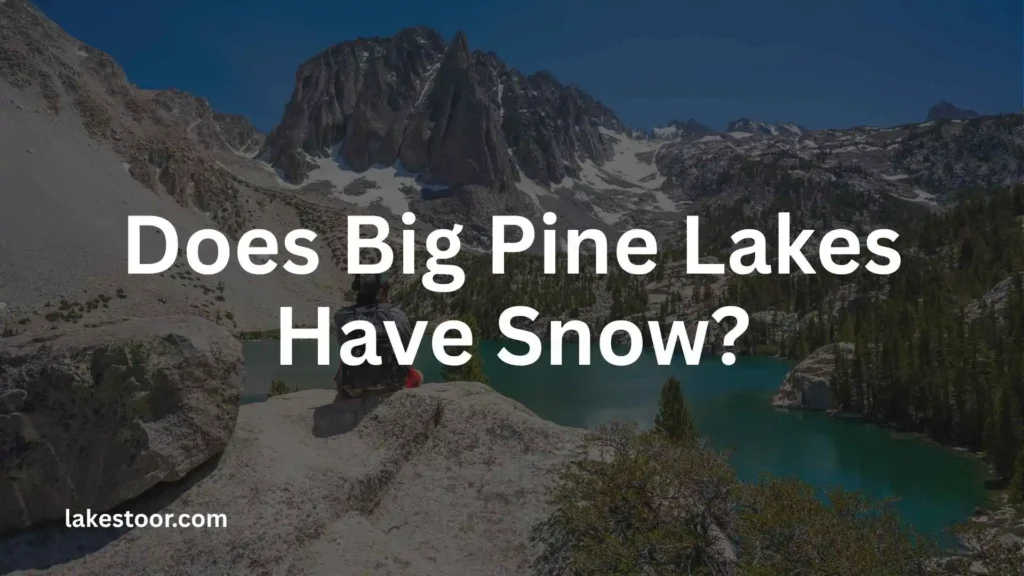
Snow conditions vary from year to year.
Heavy winter snowfall can keep high-elevation portions of the route snowy well into the warmer months.
Before an early-season trip, check:
- Current snowpack
- Road access
- Trail conditions
- Weather
- Stream crossings
- Avalanche or steep-snow hazards where relevant
If significant snow remains, specialized equipment and experience may be necessary.
Big Pine Lakes Weather
Mountain weather can change rapidly.
The Forest Service specifically warns hikers in the Big Pine area that Sierra Nevada weather conditions can change quickly and recommends carrying adequate clothing for changing conditions.
Even on a sunny morning, you should be prepared for:
- Wind
- Rain
- Thunderstorms
- Cold temperatures
- Sudden cloud cover
- Snow at higher elevations
- Rapid temperature drops after sunset
Check the forecast immediately before your hike rather than relying on an old forecast.
Thunderstorm Safety
Summer thunderstorms deserve special attention.
If thunderstorms develop while you are exposed above tree line, avoid unnecessary exposure on open ridges and high points.
Do not wait until conditions become severe before deciding to turn around.
The safest trip is the one where you recognize deteriorating conditions early.
Big Pine Lakes Parking
Parking arrangements depend on whether you are visiting for the day or staying overnight.
The Forest Service’s Big Pine trail information indicates day-use parking at the end of the road and overnight parking farther down the road in the Big Pine Creek area.
Because parking and access conditions can change, check current Forest Service information before traveling.
Arriving early is particularly sensible on busy summer weekends.
How Do You Get to Big Pine Lakes?
From U.S. Highway 395 in Big Pine:
- Enter Big Pine.
- Follow the road toward Glacier Lodge Road, also known as Crocker Street in Forest Service directions.
- Continue west toward the Big Pine Creek area.
- Follow signs and current directions for the Big Pine Creek North Fork trailhead.
- Park only in designated or permitted areas.
The Forest Service describes the Big Pine Canyon route from Highway 395 and provides current trailhead information for the area.
Always verify current road conditions before driving because mountain roads can be affected by weather, construction, closures, or seasonal conditions.
Are There Facilities at the Trailhead?
Big Pine Lakes is a wilderness hiking destination, so facilities are limited compared with developed recreation areas.
Do not expect a fully serviced trailhead.
Before starting, make sure you have:
- Enough water
- Food
- Navigation
- Emergency supplies
- Appropriate clothing
- Parking arrangements
- Required permits if staying overnight
Use restroom facilities where available before beginning the hike and follow current wilderness sanitation requirements once on the trail.
Also Check This Post: Finger Lakes Wineries: Best Wineries, Wine Trails, Wines, and Trip Planning Guide
Are Dogs Allowed at Big Pine Lakes?
Dogs can be present in the area, but owners are responsible for keeping them under control and following applicable wilderness regulations.
The Forest Service specifically states that pets must be under control in the Big Pine area.
Before bringing a dog, consider:
- Long distance
- Elevation
- Rocky terrain
- Heat
- Cold
- Water availability
- Wildlife
- Your dog’s ability to safely complete the route
A dog that is comfortable with neighborhood walks may not be prepared for a demanding alpine hike.
Can You Fish at Big Pine Lakes?
Fishing is possible in parts of the Big Pine Lakes area.
The Forest Service notes that rainbow trout occur in many lakes in the canyon, while golden trout can be found in higher lakes.
If you plan to fish, check current California fishing regulations, licensing requirements, seasonal restrictions, and local wilderness rules before your trip.
Can You Swim in Big Pine Lakes?
Some visitors may enter the lakes, but swimming should be approached cautiously.
The water is alpine and can be extremely cold, even when the surrounding air temperature is warm.
Cold-water shock can become dangerous quickly.
There are also no lifeguards.
For most visitors, enjoying the lake from shore is the safer choice.
Best Photography Spots at Big Pine Lakes
Big Pine Lakes is particularly rewarding for landscape photographers.
Second Lake
Second Lake is one of the most iconic locations.
Look for compositions combining:
- Lake water
- Temple Crag
- Granite cliffs
- Foreground rocks
- Reflections
Third Lake
Third Lake offers a different character because of its glacial influence.
Its distinctive water color can create excellent landscape compositions.
Waterfalls
The waterfalls along the route provide a different photographic subject before you reach the alpine lakes.
Morning and evening
Early morning can provide calm conditions and soft light.
Evening light can create dramatic shadows across the granite.
Always prioritize safe travel over getting a particular photograph.
Best Time of Day to Hike Big Pine Lakes
An early start is generally the smartest strategy.
Morning provides:
- Cooler temperatures
- More daylight
- More time for unexpected delays
- Better flexibility
- Potentially calmer conditions
It also reduces the likelihood of having to finish a long descent after dark.
Even if you intend to return before sunset, carry a headlamp.
Big Pine Lakes for Sunrise
Sunrise can be particularly attractive for photographers and backpackers staying overnight.
The main advantage of an overnight trip is that you do not need to climb all the way from Big Pine in the morning just to photograph the lake at sunrise.
However, sunrise photography often means hiking or moving around in darkness.
Use a headlamp, know your route, and avoid unstable terrain.
Big Pine Lakes for Sunset
Sunset can produce excellent light on the surrounding peaks.
If you are day hiking, however, remember that staying until sunset means descending after the light begins to disappear.
For most day hikers, the safer approach is to prioritize a comfortable descent rather than staying solely for sunset.
Overnight hikers with the proper permit have more flexibility.
Is Big Pine Lakes Crowded?
Big Pine Lakes is a popular Eastern Sierra destination, especially during favorable summer weather.
Expect more visitors on:
- Summer weekends
- Holidays
- Peak hiking season
- Popular photography days
Starting early can help you avoid some of the busiest periods.
If solitude is your priority, consider a weekday trip or a less popular season when conditions are safe.
Big Pine Lakes Leave No Trace
The beauty of Big Pine Lakes depends on visitors protecting the wilderness.
Follow Leave No Trace principles:
- Pack out all trash
- Stay on established routes where appropriate
- Camp on durable surfaces
- Do not damage vegetation
- Do not disturb wildlife
- Keep food secured
- Dispose of human waste properly
- Follow fire restrictions
- Leave rocks, plants, and natural objects where they are
The Forest Service provides specific guidance for camping, food storage, waste, pets, and fire restrictions in the Big Pine area.
What About Campfires?
Never assume campfires are allowed.
Fire restrictions can change based on season, elevation, weather, drought, and fire danger.
The Forest Service’s Big Pine-area guidance includes restrictions on campfires at higher elevations.
Check current restrictions before your trip.
Big Pine Lakes Safety Checklist
Before starting, ask yourself:
- Do I have enough water?
- Can I treat additional natural water?
- Do I have a map?
- Is my phone charged?
- Do I have a backup power source?
- Do I have enough food?
- Do I have warm layers?
- Do I have rain protection?
- Do I have a headlamp?
- Have I checked the weather?
- Have I checked trail and road conditions?
- Do I have the required overnight permit?
- Does someone know my itinerary?
- Am I prepared to turn around?
If the answer to an important safety question is no, fix the problem before starting.
Common Mistakes to Avoid
Starting too late
A late start can turn a challenging hike into a rushed one.
Underestimating elevation
High altitude can make familiar distances feel much harder.
Carrying too little water
Natural water sources are not automatically safe to drink.
Ignoring weather
Clear skies in the morning do not guarantee stable conditions all day.
Forgetting a headlamp
Even strong hikers can return later than planned.
Assuming cell service
Wilderness travel should not depend on continuous cellular coverage.
Ignoring bear-safe food storage
Food and scented items must be stored responsibly.
Trying to reach every lake
More distance is not automatically a better trip.
Choose a destination appropriate for your group.
Big Pine Lakes vs. Palisade Glacier
These are related destinations but should not be treated as the same hike.
Big Pine Lakes is the primary recreational objective for many visitors.
The Palisade Glacier lies farther beyond the lakes, and the Forest Service describes the final approach as involving boulder hopping with an obscure trail. It also advises that hikers without appropriate ice and snow experience should avoid the upper glacier.
If your primary goal is simply to see the famous lakes and Temple Crag, there is no need to turn the trip into a glacier adventure.
Who Should Hike Big Pine Lakes?
Big Pine Lakes is a good choice for:
- Experienced day hikers
- Fit hikers preparing for a long mountain day
- Backpackers
- Landscape photographers
- Mountain lovers
- Experienced families with appropriately prepared older children
- Anglers following current regulations
It may not be the best choice for:
- People unused to elevation
- Very young children
- Hikers with no experience on long mountain trails
- Anyone unprepared for changing weather
- Visitors expecting an easy walk
Frequently Asked Questions About Big Pine Lakes
How long is the Big Pine Lakes hike?
The distance depends on the lake or destination you choose. A trip to First and Second Lakes is a substantial day hike, while continuing toward additional lakes or the Palisade Glacier makes the trip longer and more difficult.
What is the most beautiful lake at Big Pine Lakes?
Second Lake is often considered the signature viewpoint because of its dramatic combination of blue water and Temple Crag. Third Lake is also especially interesting because of its glacially influenced water color.
Is Big Pine Lakes hard?
Yes. It is a challenging mountain hike because of its distance, elevation gain, altitude, and changing conditions.
Can beginners hike Big Pine Lakes?
Prepared beginners with good fitness may be able to complete the route, but it should not be treated as an easy beginner trail.
Do I need a permit for a Big Pine Lakes day hike?
Generally, a wilderness permit is not required for a normal day hike. Overnight wilderness trips require permits.
Do I need a permit to camp at Big Pine Lakes?
Yes. Overnight wilderness travel requires the appropriate permit.
Can you camp near Second Lake?
Overnight camping is possible in the wilderness with the required permit and subject to current campsite and wilderness regulations.
Is there cell service?
Do not depend on cell service. Plan as though you will have limited or no connectivity.
Can you drink water from Big Pine Lakes?
Not without treatment. Use a reliable water filtration or purification method.
Are there bears?
Yes. Bears and other wildlife occur in the Sierra Nevada, so overnight visitors should follow current food-storage requirements.
Can dogs hike Big Pine Lakes?
Dogs may be allowed under applicable regulations, but they must be controlled and should be physically prepared for the demanding terrain and elevation.
Can you fish Big Pine Lakes?
Fishing is available in parts of the area, including lakes with rainbow trout and higher lakes where golden trout may occur. Follow current California regulations and licensing requirements.
Is Big Pine Lakes open year-round?
The wilderness itself exists year-round, but practical hiking access varies greatly with snow, road conditions, weather, and seasonal hazards. Always check current conditions before going.
When is the best month to hike Big Pine Lakes?
Summer and early fall are generally the most practical periods for standard hiking, but the best month varies with the year’s snowpack and weather.
Is Second Lake worth the hike?
For many hikers, yes. Second Lake offers one of the most recognizable Big Pine Lakes views, particularly with Temple Crag behind the water.
Final Thoughts
Big Pine Lakes is more than a scenic lake hike. It is an entrance into one of the most spectacular mountain environments in California’s Eastern Sierra.
The journey from Big Pine Creek into the John Muir Wilderness takes hikers through forests, waterfalls, alpine lakes, glacial landscapes, and towering granite scenery. First and Second Lakes are excellent objectives for a challenging day hike, while backpackers can use a permitted overnight trip to explore farther into the basin.
The key to a successful Big Pine Lakes trip is preparation.
Check the weather. Confirm road and trail conditions. Carry sufficient water and a purification method. Bring layers and navigation equipment. Start early. Respect altitude and changing mountain weather. If camping overnight, obtain the appropriate wilderness permit and follow current food-storage and Leave No Trace requirements.
Most importantly, choose a route that matches your experience rather than trying to cover the maximum distance.
Big Pine Lakes rewards hikers who take their time. Whether you reach First Lake, stand beside Second Lake with Temple Crag towering above you, explore Third Lake, or continue deeper into the wilderness, the Eastern Sierra scenery makes the effort worthwhile.
Also Check This Post: Land Between the Lakes National Recreation Area: Complete 2026 Visitor Guide

I’m Charlotte Pembroke, and my passion for lakes began through travelling across the United Kingdom’s national parks. I enjoy learning about freshwater ecosystems, famous lakes, conservation, and the unique stories behind these incredible places.
I write to make geography and nature enjoyable for everyone, combining reliable research with clear explanations that readers of all ages can understand.
Books I’ve Written:
- Lakes of Britain: A Natural Journey
- Waters That Shaped History
 Oliver Whitmore