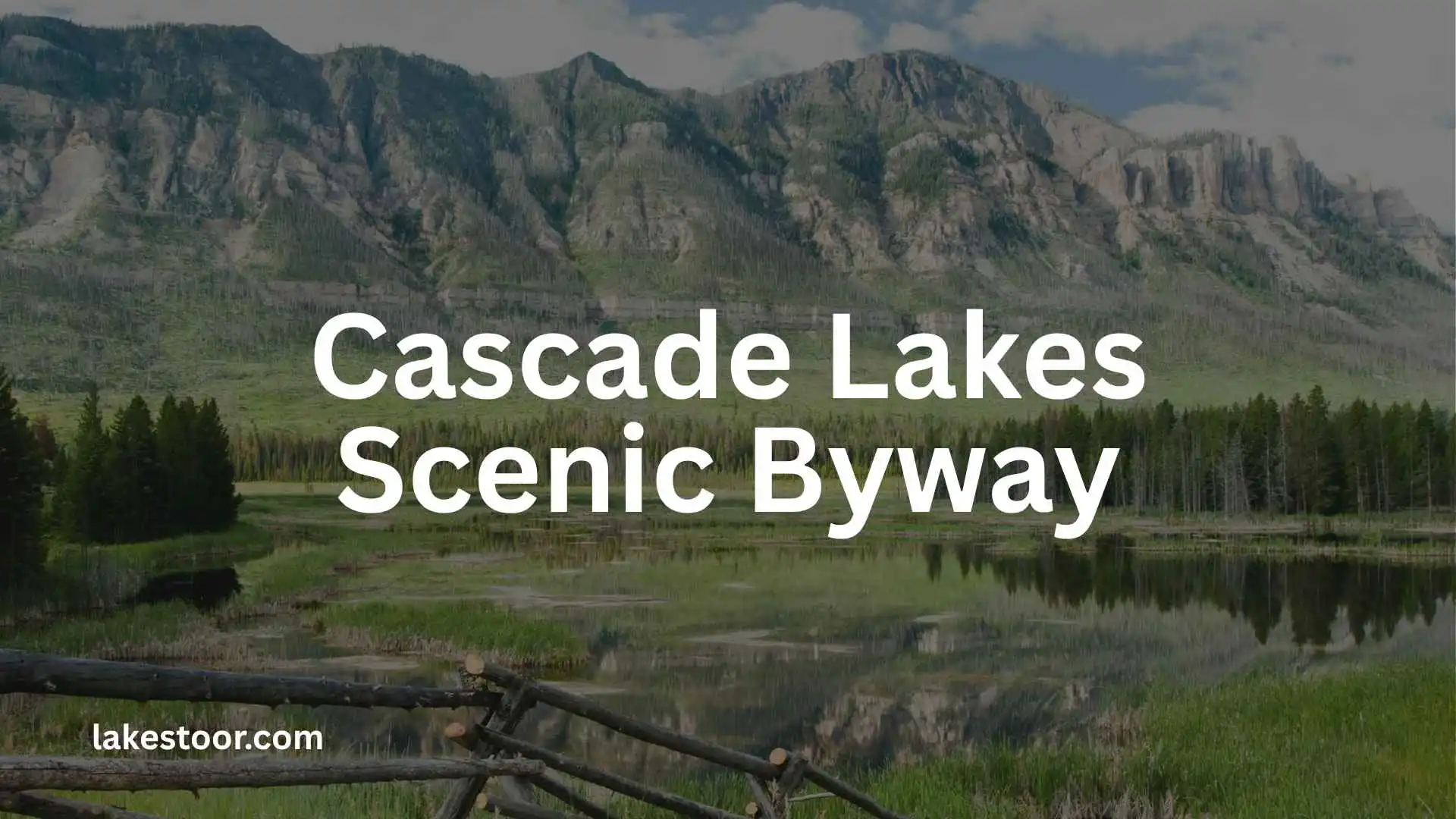
The Cascade Lakes Scenic Byway is one of the best scenic road trips in Central Oregon, offering a remarkable combination of alpine lakes, volcanic landscapes, dense forests, mountain peaks, hiking trails and outdoor recreation. The route stretches for about 66 miles (106 km) and connects the area west of Bend with Oregon Highway 58 near Crescent Lake.
What makes this drive special is its variety. Within a single road trip, you can see Mt. Bachelor, Broken Top and South Sister, stop beside clear mountain lakes, explore volcanic terrain, hike into the Three Sisters Wilderness, fish for trout, kayak, camp and photograph some of Central Oregon’s most recognizable scenery.
For a simple drive, allow at least 3–5 hours. If you want to stop at several lakes, hike, eat, take photographs or spend time on the water, plan for a full day or longer.
Cascade Lakes Scenic Byway at a Glance
| Detail | Information |
| Location | Central Oregon |
| Main gateway | Bend, Oregon |
| Length | About 66 miles (106 km) |
| Typical driving time | 3–5 hours without extensive stops |
| Best general season | June–October |
| Main road names | Century Drive / Cascade Lakes Highway / Forest Route 46 |
| Major attractions | Alpine lakes, Mt. Bachelor, Broken Top, Three Sisters and volcanic landscapes |
| Popular activities | Scenic driving, hiking, fishing, boating, kayaking, camping and photography |
| Southern connection | OR-58 near Crescent Lake and Odell Lake |
The route is recognized for its scenic, natural and recreational qualities and passes through a landscape shaped by both volcanic activity and glaciers.
Where Is the Cascade Lakes Scenic Byway?
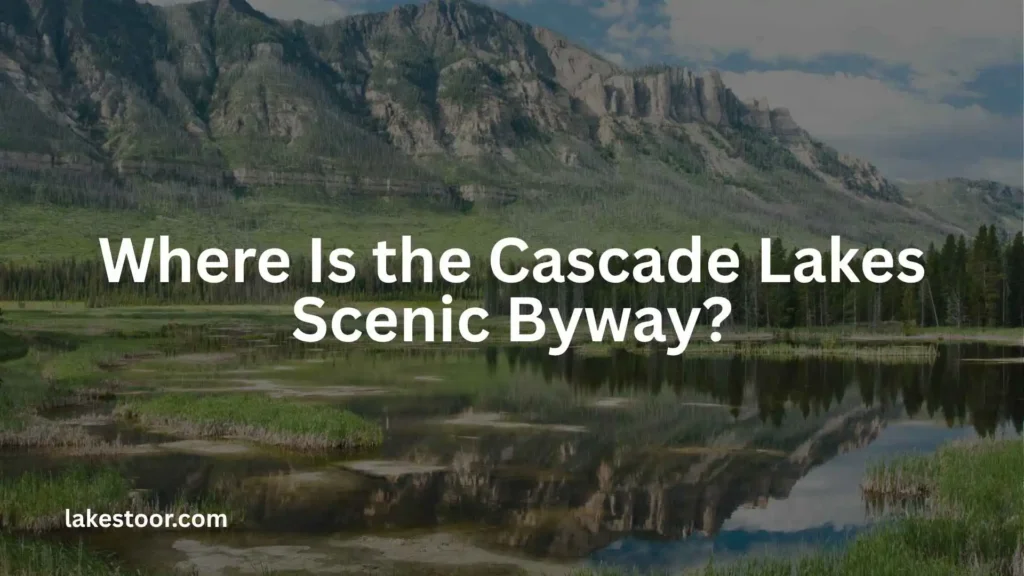
The Cascade Lakes Scenic Byway is in Central Oregon, beginning near Bend and traveling into the high country of the Deschutes National Forest.
The northern portion follows the road toward Mt. Bachelor before entering the Cascade Lakes region. Farther south, the route follows Forest Route 46 through a landscape filled with lakes and mountain scenery before reaching OR-58 near Crescent Lake.
Bend is the most convenient base for most visitors because it provides lodging, restaurants, fuel, supplies and other services before you head into the mountains.
How Long Is the Cascade Lakes Scenic Byway?
The Cascade Lakes Scenic Byway is approximately 66 miles long.
Travel Oregon gives a minimum driving time of about 3–5 hours, but that does not include extensive hiking, fishing, boating or long sightseeing stops.
For this reason, don’t plan the trip based only on mileage.
A traveler who simply wants to experience the road can complete it in several hours. Someone who wants to see the best lakes, take photographs and explore trails should consider a full day.
If camping is part of the plan, two or more days can make the experience much more relaxed.
Is Cascade Lakes Scenic Byway open
Yes, Cascade Lakes Highway is currently listed as open for 2026 by Deschutes County. The county’s road information reported the highway open as of May 7, 2026.
However, “open” does not mean every side road, campground, trailhead, or recreation area along the route is guaranteed to be accessible. Snow, maintenance work, storms, wildfire activity, or temporary restrictions can affect individual locations.
The Cascade Lakes Scenic Byway is a 66-mile route that begins near Bend and travels through the Deschutes National Forest before reaching the area around Crescent and Odell Lakes.
For a road trip, check the latest road conditions shortly before leaving Bend. This is especially important during spring and late fall, when conditions can change much faster than the calendar suggests.
Cascade Lakes Scenic Byway directions
The easiest way to reach the Cascade Lakes Scenic Byway is from Bend, Oregon. From Bend, travelers follow Century Drive, also known as Cascade Lakes Highway, toward the Deschutes National Forest and the Cascade Mountains.
The byway begins near the western edge of Bend and continues through a landscape of forests, volcanic formations, alpine lakes, and mountain meadows. From there, the route passes attractions and lakes including Sparks Lake, Devils Lake, Lava Lakes, Cultus Lake, Crane Prairie Reservoir, Wickiup Reservoir, and Davis Lake before reaching its southern end near Oregon Highway 58.
The complete drive is about 66 miles, and visitors should allow roughly 3 to 5 hours for the basic scenic drive. Extra time is strongly recommended if you plan to stop for photographs, hiking, fishing, paddling, or sightseeing.
A useful approach is to start with a full tank in Bend because services become more limited as you travel farther into the mountain country.
Cascade Lakes Scenic Byway camping
Camping is one of the best ways to experience the Cascade Lakes Scenic Byway because many of the most beautiful places are surrounded by forests, mountains, and water rather than developed city facilities.
Several recreation areas and campgrounds are located along or near the route. Elk Lake, for example, offers a combination of campground access, boating, fishing, cabins, and other visitor services.
Camping availability can vary by season, campground, weather, and local management decisions. Some sites may operate on reservations while others can have first-come, first-served arrangements.
If you are planning an overnight trip, check campground conditions before driving up. Bring enough food, drinking water, warm clothing, and basic outdoor supplies because high-elevation weather can feel much colder than it does in Bend.
For a quieter experience, consider visiting on a weekday and arriving early. Summer weekends can be particularly busy around popular lakes and trailheads.
cascade lakes scenic byway sparks lake
Sparks Lake is one of the most photographed stops along the Cascade Lakes Scenic Byway. Located beneath the dramatic Cascade peaks, the lake combines open water, volcanic terrain, forest, and mountain reflections in a landscape that feels much larger than its actual size.
Travel Oregon describes Sparks Lake as an especially picturesque lake of about 250 acres, with jagged lava along parts of its shoreline. It is also associated with the Ray Atkeson Memorial Trail, providing an opportunity to experience the scenery on foot rather than simply viewing it from the road.
Sparks Lake is particularly attractive for photographers because the surrounding mountains can create striking reflections on calm water. Early morning and evening often provide softer light and more dramatic scenery.
The lake is also a good reminder that the Cascade Lakes Scenic Byway is more than a driving route. Visitors can stop, explore, photograph the landscape, and spend time enjoying the natural environment.
cascade lakes scenic byway alpine lakes
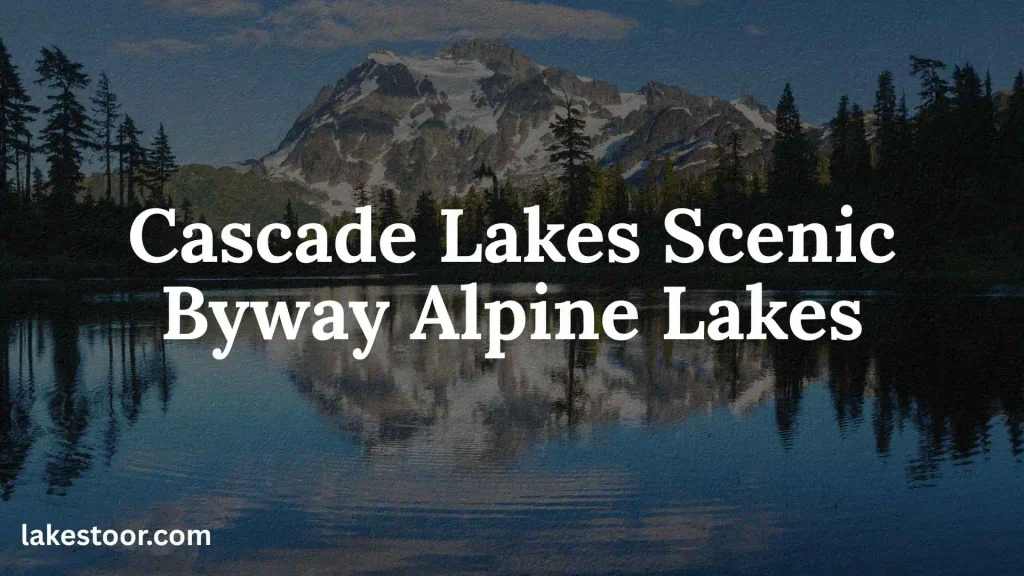
The alpine lakes along the Cascade Lakes Scenic Byway are one of the main reasons this drive is so popular. The route travels through a landscape shaped by both volcanic activity and glaciation, creating an unusual mixture of mountains, lava formations, forests, meadows, and clear lakes.
Important lakes and water bodies along the broader route include Sparks Lake, Devils Lake, Elk Lake, Hosmer Lake, Lava Lake, Little Lava Lake, Cultus Lake, Crane Prairie Reservoir, Wickiup Reservoir, and Davis Lake.
Each stop has its own character. Some are better suited to photography, some attract anglers, while others provide opportunities for boating, hiking, camping, or simply relaxing beside the water.
The surrounding peaks add another layer to the scenery. Mt. Bachelor, Broken Top, and South Sister are among the major mountain features associated with views along the byway.
cascade lakes scenic byway views
The views along the Cascade Lakes Scenic Byway change constantly as the road climbs away from Bend and enters the higher Cascade landscape.
Near the beginning of the drive, travelers see forests and volcanic features before reaching areas where large mountain peaks dominate the horizon. Around Sparks Lake, the combination of water, lava shoreline, and Cascade peaks creates some of the route’s most recognizable scenery.
Further along, the landscape transitions between alpine meadows, dense forests, lakes, and volcanic terrain. Broken Top and Mt. Bachelor are especially impressive from several viewpoints and lakes.
The best views are not necessarily found at one single overlook. Some of the most memorable scenes appear unexpectedly around a bend or at a lake access point.
Give yourself plenty of time to stop safely. Pull completely off the roadway where permitted and avoid stopping in travel lanes simply to capture a photograph.
cascade lakes scenic byway attractions
The Cascade Lakes Scenic Byway offers far more than a scenic drive. Its attractions include lakes, hiking trails, campgrounds, fishing areas, mountain viewpoints, volcanic formations, and recreation areas.
Some of the most notable places include:
- Sparks Lake for photography, scenery, paddling, and hiking
- Mt. Bachelor for mountain views and seasonal recreation
- Devils Lake for its unusual volcanic surroundings
- Elk Lake for boating, fishing, camping, and recreation
- Hosmer Lake for fishing and mountain scenery
- Lava Lake and Little Lava Lake for water-based recreation
- Crane Prairie Reservoir for fishing and wildlife viewing
- Cultus Lake for forest scenery and lake access
- Davis Lake near the southern portion of the route
Travel Oregon also highlights access to trails leading toward the Three Sisters Wilderness and Green Lakes, making the byway a useful starting point for longer outdoor adventures.
Because attractions are spread across the route, it is better to treat the byway as a full-day adventure rather than a drive that you rush through.
cascade lakes scenic byway oregon sparks lake
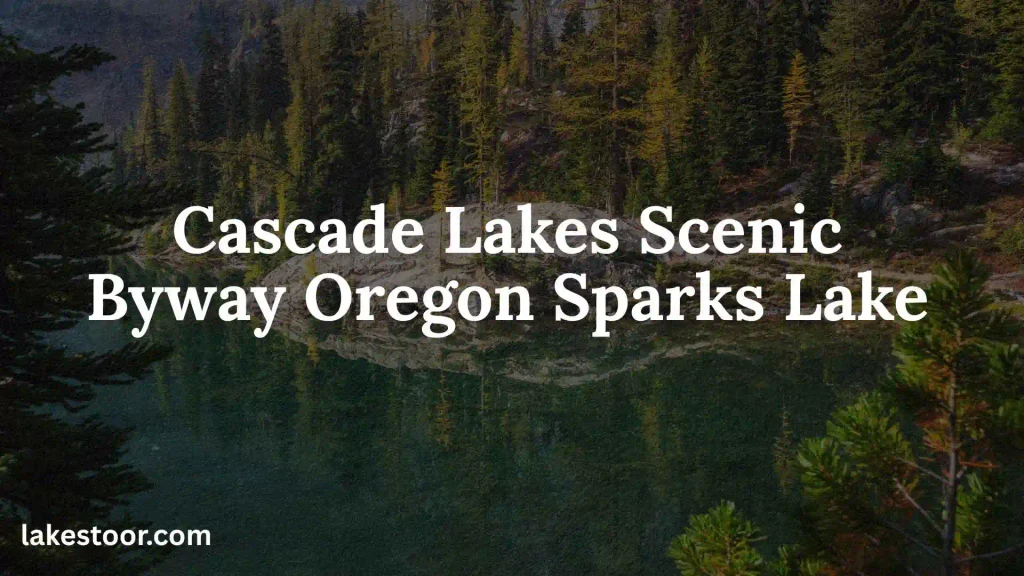
Cascade Lakes Scenic Byway in Oregon and Sparks Lake are closely connected because Sparks Lake is one of the signature stops on the route. The lake sits in a high-country landscape surrounded by volcanic terrain and some of Central Oregon’s most recognizable mountain scenery.
From the road, visitors can access areas around Sparks Lake for photography, hiking, boating, and sightseeing. Travel Oregon notes that the lake is approximately 250 acres and that its shoreline includes distinctive jagged lava formations.
For photographers, Sparks Lake can be especially rewarding when the water is calm enough to reflect the surrounding mountains. The combination of lake, lava, meadow, and snow-covered peaks gives the area a distinctive Central Oregon appearance.
If you have limited time on the byway, Sparks Lake is one of the stops worth prioritizing. If you have an entire day, combine it with several other lakes and viewpoints farther along the route.
cascade lakes national scenic byway
The Cascade Lakes Scenic Byway is a 66-mile scenic route through Central Oregon and the Deschutes National Forest. It was designated a National Scenic Byway in 1998 because of its outstanding scenic, natural, and recreational qualities.
The route is notable for its combination of alpine lakes, volcanic geology, forests, mountain peaks, and recreational opportunities. The landscape was shaped by both volcanism and glaciation, producing the unusual mixture of lava fields, mountain basins, lakes, and meadows seen along the drive.
Historically, the route has also been known as Cascade Lakes Highway and Century Drive. The official route begins near Bend and continues south through a chain of high-country lakes before connecting with Highway 58.
For travelers looking for an Oregon road trip that combines scenery with outdoor activities, this byway offers an unusually concentrated experience. A single drive can include mountain views, volcanic landscapes, lakeside stops, hiking opportunities, fishing areas, and campgrounds.
Cascade Lakes Scenic Byway Route: What to Expect
The route can broadly be thought of as several different experiences.
Bend to Mt. Bachelor
The drive begins on the west side of Bend and climbs toward Mt. Bachelor.
This section introduces you to the forest and volcanic landscape of the Cascades. Along the way, you can find access to recreation areas, river scenery and volcanic features.
Mt. Bachelor to Sparks Lake
As you continue beyond Mt. Bachelor, the scenery changes into the high-country lake landscape.
Broken Top becomes a particularly impressive mountain landmark, while Sparks Lake provides one of the most recognizable views along the entire route.
Sparks Lake to the Southern Lakes
From the Sparks Lake area, the road continues south through a concentration of lakes and recreation areas.
Elk Lake, Hosmer Lake, Lava Lake, Little Lava Lake and other waterways provide opportunities for fishing, paddling, boating, hiking and photography.
Crane Prairie and the Southern End
Farther south, the landscape transitions toward the Deschutes River and Crane Prairie Reservoir.
The route eventually reaches OR-58 near Crescent Lake and Odell Lake, providing connections to additional outdoor destinations.
Best Stops on the Cascade Lakes Scenic Byway
There are many places worth stopping, but the following are among the most useful for first-time visitors.
1. Mt. Bachelor
Mt. Bachelor is one of the defining landmarks of the northern section of the route.
The mountain is especially impressive as you climb away from Bend. In winter it is a major ski destination, while summer brings different mountain recreation opportunities. Travel Oregon notes that the Mt. Bachelor area also provides opportunities for summer sightseeing and mountain views.
If you’re short on time, even stopping for a viewpoint can add a lot to the drive.
2. Sparks Lake
Sparks Lake is one of the top stops on the entire Cascade Lakes Scenic Byway.
The lake is surrounded by volcanic terrain and provides dramatic views toward the Cascade peaks. Travel Oregon describes it as exceptionally picturesque and notes that photographer Ray Atkeson frequently photographed the lake.
For photographers, calm mornings can be particularly rewarding because the surrounding mountains can reflect across the water.
The Ray Atkeson Memorial Trail also provides a relatively accessible way to experience the scenery without committing to a major mountain hike.
Why visit Sparks Lake?
- Excellent mountain views
- Strong photography opportunities
- Easy access from the byway
- Volcanic scenery
- Hiking opportunities
- Views toward Broken Top and the Cascades
3. Devils Lake
Devils Lake is known for its striking green-blue water and surrounding volcanic landscape.
The nearby lava formations create an almost otherworldly appearance. The area also has cultural significance, with archaeological evidence of Native American occupation and pictographs associated with Devils Hill.
This makes Devils Lake more than a scenic photo stop—it is also a place where geology, history and recreation come together.
4. Elk Lake
Elk Lake is one of the most convenient recreation stops along the route.
The Elk Lake Recreation Area offers access to the water and services such as cabins, dining, camping, a marina and boat rentals.
It is a good choice for travelers who want to spend several hours rather than simply taking a photograph.
Best for:
- Boating
- Fishing
- Kayaking
- Camping
- Picnicking
- Mountain views
- Longer stays
5. Hosmer Lake
Hosmer Lake is another popular destination for anglers and paddlers.
Its setting beneath the Cascade peaks makes it attractive for photography as well as outdoor recreation. Travel Oregon specifically highlights the fishing and mountain views around Elk Lake and Hosmer Lake.
6. Lava Lake
Lava Lake is a worthwhile stop for travelers who want a combination of water, mountain views and recreation.
Travel Oregon notes that Lava Lake offers views of the Three Sisters and is known for boat fishing.
The lake is also useful as a base for exploring nearby trails and other Cascade Lakes.
7. Little Lava Lake
Little Lava Lake offers a quieter alternative to some of the larger recreation areas.
It is closely associated with the upper Deschutes River system and can be a good choice for visitors looking for a more peaceful lake experience. Travel Oregon describes Little Lava Lake as more secluded than Lava Lake.
8. Crane Prairie Reservoir
Crane Prairie Reservoir is particularly important for fishing.
The reservoir is known for large rainbow trout, sometimes called “Cranebows.” It also provides wildlife-viewing opportunities, including osprey and other birds.
If fishing is one of your main reasons for driving the byway, Crane Prairie deserves extra time.
9. Davis Lake
Davis Lake is another major southern destination.
The surrounding volcanic terrain creates a different appearance from the forested alpine lakes farther north. Travel Oregon highlights the area’s fly fishing, large rainbow trout and distinctive volcanic rock formations.
The lake also has several camping opportunities nearby.
Also Check This Post: Land Between the Lakes National Recreation Area: Complete 2026 Visitor Guide
Best Things to Do on Cascade Lakes Scenic Byway
The byway is not just about driving. It provides access to a wide range of outdoor activities.
Hiking
Hiking is one of the best ways to experience the area.
Trails around the byway range from relatively easy walks to demanding wilderness routes. Some trails lead into the Three Sisters Wilderness, where visitors can explore more remote mountain and lake environments.
Popular destinations include trails around Sparks Lake and routes toward Green Lakes and other wilderness destinations.
Always check current trail conditions and permit requirements before starting a hike.
Fishing
Fishing is one of the major attractions throughout the Cascade Lakes region.
Different lakes offer different fishing environments, with Crane Prairie Reservoir particularly well known for large rainbow trout. Lava Lake, Hosmer Lake, Elk Lake and Davis Lake are also popular fishing destinations.
Oregon fishing regulations and licensing requirements apply, so check current rules before fishing.
Kayaking and Canoeing
Several lakes are suitable for paddling.
Elk Lake and Hosmer Lake are among the better-known places for water recreation, while smaller lakes can provide a quieter experience.
Early mornings can be particularly pleasant for paddling because the water may be calmer before afternoon winds develop.
Boating
Boating is another major attraction.
Elk Lake has a marina and boat-rental services, while other lakes have launch facilities or access depending on the location and current regulations.
Always check individual lake restrictions before launching a boat.
Camping
Camping allows you to experience the byway without trying to fit everything into one day.
There are campgrounds around several lakes and recreation areas. Some locations are more developed, while others provide a more basic forest or lakeside camping experience.
Because seasonal operations and campground availability can change, check current information before leaving.
Wildlife Watching
The Cascade Lakes region provides habitat for a variety of birds and wildlife.
Crane Prairie Reservoir is especially notable for birdwatching, with osprey, raptors, shorebirds and sandhill cranes among the wildlife visitors may encounter.
Bring binoculars if wildlife viewing is one of your priorities.
Best Time to Drive Cascade Lakes Scenic Byway
For most travelers, summer and early fall are the best times.
Travel Oregon lists June through October as the general best season and notes that the road closes beyond Mt. Bachelor during winter.
June
June can be beautiful, but higher elevations may still have lingering snow and seasonal access limitations.
Check current conditions rather than assuming every road, trail or campground is fully open.
July and August
These are among the most popular months.
Expect more visitors, especially around popular lakes and recreation areas. Starting early can make the experience more enjoyable.
September
September can offer an excellent balance of outdoor access and cooler weather.
It is often a good choice for travelers who prefer a quieter road trip.
October
October can provide beautiful fall scenery, but weather becomes less predictable.
Higher elevations can experience early winter conditions, so check the forecast and road status before traveling.
Winter
Do not plan on driving the entire byway in winter.
The official route information identifies a seasonal closure beyond Mt. Bachelor, so travelers should verify current conditions and closures before setting out.
Is Cascade Lakes Scenic Byway Open Year Round?
No, you should not assume the entire route is open year-round.
The higher-elevation section has seasonal winter closures. Travel Oregon specifically lists June–October as the best driving season and says the road closes beyond Mt. Bachelor in winter.
Road conditions can also change because of snow, wildfire impacts, maintenance and other factors.
Before your trip, check current information from the relevant land-management agencies and local visitor resources.
How to Check Road Conditions Before You Go
Checking conditions is one of the most important steps when planning this drive.
Look at:
- Current road closures
- Snow conditions
- Wildfire information
- Weather forecasts
- Campground status
- Trail closures
- Recreation alerts
- Seasonal restrictions
Travel Oregon has also advised visitors to check conditions at the Cascade Lakes Welcome Station and pick up a map before reaching areas with limited cell service.
Fuel, Food, Water and Cell Service
This is an area where preparation can make a major difference.
Fuel
Fill your gas tank before leaving Bend.
Older Oregon Scenic Byways guidance specifically warns that fuel is only available at some resorts and recommends having plenty of fuel before leaving Bend.
Do not assume you will find a convenient gas station whenever you need one.
Food
Some recreation areas have food or supplies, but choices become much more limited once you’re away from Bend.
For a full-day trip, bring enough food and snacks for everyone in your vehicle.
Elk Lake has dining services, and Lava Lake has historically offered a small lakeside store for basic supplies, but services can be seasonal.
Water
Carry plenty of drinking water, particularly if you plan to hike.
Mountain temperatures can still become uncomfortable in summer, and you should not depend entirely on finding potable water along the route.
Cell Service
Cell coverage can be inconsistent or unavailable in remote areas.
Download maps before leaving Bend and don’t rely exclusively on your phone for navigation.
Where Should You Stay?
Bend
For most visitors, Bend is the easiest place to stay.
It offers a large selection of hotels, vacation rentals, restaurants, grocery stores, outdoor retailers and other services. Travel Oregon describes Bend as a major Central Oregon recreation hub and gateway to the byway.
Staying in Bend works particularly well for a day trip.
Sunriver
Sunriver can also be a convenient base, particularly if you’re combining the Cascade Lakes drive with other Central Oregon attractions.
Camping Near the Lakes
If your goal is to spend more time outdoors, camping near one of the lakes can provide a more immersive experience.
Elk Lake, Davis Lake and other recreation areas offer camping opportunities, although seasonal availability varies.
Best Cascade Lakes Scenic Byway Stops for Photography
Photographers have plenty of options along the route.
Sparks Lake for Mountain Reflections
Sparks Lake is one of the classic photography locations because of its combination of water, volcanic terrain and Cascade peaks.
Mt. Bachelor for Mountain Landscapes
The mountain provides dramatic compositions as the road climbs through the forest.
Devils Lake for Volcanic Scenery
The contrast between vivid water and dark volcanic rock creates a different photographic look.
Elk Lake and Hosmer Lake for Water Views
These lakes provide classic alpine-lake scenery with mountain backdrops.
Davis Lake for Volcanic Landscapes
The southern end of the route offers large volcanic formations and a noticeably different landscape.
Best Time of Day for Photography
If photography is important, consider starting early.
Morning can provide:
- Softer light
- Cooler temperatures
- Less wind
- Better lake reflections
- Fewer visitors
Sunset can also be excellent around mountain lakes, although you should carefully consider your return route, road conditions and daylight.
Don’t stay at a remote viewpoint after dark unless you’re prepared for the conditions and know your route.
Is Cascade Lakes Scenic Byway Good for Families?
Yes.
You don’t have to hike a difficult mountain trail to enjoy the area.
Families can:
- Stop at scenic lakes
- Have picnics
- Take short walks
- Watch wildlife
- Fish
- Paddle
- Take photographs
- Camp
However, children should be supervised around deep water, boats, uneven volcanic terrain and roads.
Families should also carry enough food, water and warm clothing because conditions can change quickly at higher elevations.
Is Cascade Lakes Scenic Byway Dog-Friendly?
Dogs can accompany visitors in many outdoor areas, but rules vary by recreation site and trail.
If you’re traveling with a dog, keep it under control, follow posted leash requirements and verify regulations for specific trails or wilderness areas.
Never leave a pet unattended in a vehicle during warm weather.
Also Check This Post: Rae Lakes: Complete Guide to the Rae Lakes Loop
Accessibility Considerations
Accessibility varies significantly from one stop to another.
Some developed recreation areas have accessible facilities, while remote trails and volcanic terrain can be difficult for visitors with mobility limitations.
If accessibility is important for your trip, research individual recreation sites before leaving rather than assuming every viewpoint or trail is accessible.
How Many Days Do You Need?
Half-Day Cascade Lakes Road Trip
Choose this option if you mainly want to drive and see a few major viewpoints.
Focus on:
- Mt. Bachelor
- Sparks Lake
- Devils Lake
- One additional lake
One-Day Cascade Lakes Scenic Byway Trip
A full day is the best option for most first-time visitors.
You can combine:
- Scenic driving
- Several lake stops
- Photography
- A short hike
- Lunch or picnic
- Fishing or paddling
Two-Day Trip
Two days are better if camping or outdoor recreation is your priority.
You can spend the first day exploring the northern lakes and the second day continuing farther south.
This approach also prevents the trip from becoming a rushed drive.
Suggested One-Day Cascade Lakes Scenic Byway Itinerary
Morning: Start in Bend
Fill the tank, buy food and water, check current road conditions and download maps.
Leave Bend early.
Stop 1: Mt. Bachelor
Enjoy the mountain views and take photographs before continuing toward the lakes.
Stop 2: Sparks Lake
Spend time at the lake and consider taking the Ray Atkeson Memorial Trail.
This is one of the stops where you should slow down rather than simply taking a quick photograph.
Stop 3: Devils Lake
Enjoy the water and volcanic landscape.
Lunch: Elk Lake Area
Elk Lake is a practical place to spend more time because of its recreation facilities and services.
Afternoon: Hosmer Lake or Lava Lake
Choose according to your interests.
Pick Hosmer for paddling and fishing or Lava Lake for mountain views and boating.
Late Afternoon: Crane Prairie Reservoir
Continue south and spend some time around Crane Prairie if you want additional fishing or wildlife viewing.
Evening
Depending on your timing, either continue toward the southern end of the route or return according to your planned itinerary.
Don’t underestimate the return drive if you have spent the entire day stopping at lakes.
Cascade Lakes Scenic Byway Packing List
For a comfortable day trip, consider bringing:
- Plenty of drinking water
- Lunch and snacks
- Full fuel tank
- Warm layers
- Rain jacket
- Comfortable hiking shoes
- Sun protection
- Sunglasses
- First-aid supplies
- Offline maps
- Phone power bank
- Camera
- Binoculars
- Fishing equipment and required license
- Kayak or paddleboard equipment if appropriate
- Camping equipment for overnight trips
At high elevations, weather can feel very different from Bend, so dressing in layers is a smart choice.
Common Mistakes to Avoid
Mistake 1: Treating It as a Three-Hour Drive
The 3–5 hour figure is a minimum driving estimate, not necessarily enough time to experience the area.
Mistake 2: Leaving Bend Without Enough Fuel
Fuel availability is limited compared with a normal highway trip.
Mistake 3: Depending on Cell Service
Remote sections may have limited coverage.
Mistake 4: Ignoring Seasonal Closures
Never assume the entire route is open simply because it is summer in Bend. Higher elevations can have different conditions.
Mistake 5: Trying to Visit Every Lake
There are too many attractions to experience everything properly in a few hours.
Choose your priorities before you leave.
Mistake 6: Forgetting Weather Changes
Mountain weather can change quickly. Bring layers even when Bend is warm.
Mistake 7: Starting Too Late
A late start can leave you rushing through the best scenery or returning after dark.
Cascade Lakes Scenic Byway for Different Travelers
Best for Photographers
Sparks Lake, Devils Lake, Elk Lake and the views toward the Cascade peaks should be high on your list.
Best for Hikers
Use the byway as a gateway to trails around the Cascade Lakes and Three Sisters Wilderness.
Best for Anglers
Consider Crane Prairie Reservoir, Lava Lake, Hosmer Lake, Elk Lake and Davis Lake.
Best for Families
Focus on accessible lake stops, picnic areas, short walks and developed recreation areas.
Best for Campers
Choose a lake-area campground and use the byway as your scenic route between outdoor activities.
Best for a Relaxed Road Trip
Don’t try to cover every attraction. Choose three or four major stops and give yourself plenty of time at each.
What Makes Cascade Lakes Scenic Byway Special?
The most impressive part of the Cascade Lakes Scenic Byway is the way different landscapes appear within a relatively short distance.
The route crosses a volcanic environment shaped by lava and glaciers, while the lakes provide reflections of some of Oregon’s most recognizable Cascade peaks. The Deschutes National Forest describes the byway as a journey through a volcanic landscape associated with numerous alpine lakes and views of Mt. Bachelor, Broken Top and South Sister.
That combination gives the road trip a strong sense of variety.
You can move from dense forest to open lake country, from dark lava formations to bright mountain water, and from developed recreation areas to wilderness trailheads—all during the same journey.
Frequently Asked Questions
Is Cascade Lakes Scenic Byway worth visiting?
Yes. It is especially worthwhile for travelers interested in alpine lakes, mountain scenery, hiking, fishing, boating, photography and camping.
How long is Cascade Lakes Scenic Byway?
The route is about 66 miles (106 km) long.
How long does it take to drive Cascade Lakes Scenic Byway?
Allow approximately 3–5 hours for the basic drive, with additional time for sightseeing and recreation.
Where does Cascade Lakes Scenic Byway start?
The route begins near Bend, Oregon, on the city’s west side.
Where does Cascade Lakes Scenic Byway end?
The route continues south and reaches OR-58 near Crescent Lake and Odell Lake.
What are the best stops on Cascade Lakes Scenic Byway?
Sparks Lake, Devils Lake, Elk Lake, Hosmer Lake, Lava Lake, Crane Prairie Reservoir and Davis Lake are among the most notable stops.
Can you camp on Cascade Lakes Scenic Byway?
Yes. Multiple campgrounds and recreation areas are located along or near the route, although operating seasons and availability vary.
Can you fish on Cascade Lakes Scenic Byway?
Yes. Fishing is a major activity throughout the region, with several lakes and Crane Prairie Reservoir offering popular fishing opportunities.
Can you kayak on Cascade Lakes Scenic Byway?
Yes. Several lakes provide opportunities for paddling, including Elk Lake and Hosmer Lake.
Can you drive Cascade Lakes Scenic Byway in winter?
Not necessarily in its entirety. The higher section has seasonal closures, and Travel Oregon identifies the general driving season as June through October.
Is Cascade Lakes Scenic Byway suitable for families?
Yes. Families can enjoy scenic viewpoints, lakes, picnics, short walks, wildlife watching and developed recreation areas without completing difficult hikes.
What is the best lake on Cascade Lakes Scenic Byway?
There isn’t one universal answer. Sparks Lake is one of the best for iconic mountain scenery and photography, while Elk Lake is especially useful for boating and developed recreation. Crane Prairie Reservoir is a strong choice for fishing and wildlife viewing.
Should you start the drive in Bend?
For most travelers, yes. Bend provides the best access to fuel, food, accommodation and supplies before entering the more remote sections of the route.
Final Thoughts
The Cascade Lakes Scenic Byway deserves a place on any Central Oregon road-trip itinerary.
Its approximately 66-mile route combines alpine lakes, volcanic geology, dense forests and dramatic Cascade Mountain views with some of the region’s best opportunities for hiking, fishing, boating, camping, wildlife watching and photography.
The best way to experience it is not to rush.
Start with a full tank, bring enough food and water, download your maps, check seasonal road conditions and choose the lakes and activities that matter most to you. A few hours can give you a taste of the route, but a full day—or an overnight camping trip—allows you to appreciate the landscape properly.
If you’re visiting Central Oregon for the first time, Bend → Mt. Bachelor → Sparks Lake → Devils Lake → Elk Lake/Hosmer Lake → southern Cascade Lakes is an excellent framework for planning your adventure.
Also Check This Post: Joffre Lakes: Complete 2026 Hiking Guide, Trail, Passes, Camping, Parking and Best Time to Visit

Hi, I’m Henry Ashford, a writer with a lifelong interest in lakes, landscapes, and the natural environment. I love exploring how lakes influence wildlife, local communities, tourism, and history. My goal is to create informative content that encourages readers to appreciate and protect freshwater environments.
Every article I write is based on careful research and presented in a straightforward, engaging style that makes learning enjoyable.
Books I’ve Written:
- Discovering the World’s Great Lakes
- Freshwater Landscapes: Stories from Around the Globe
 Oliver Whitmore
 Charlotte Pembroke