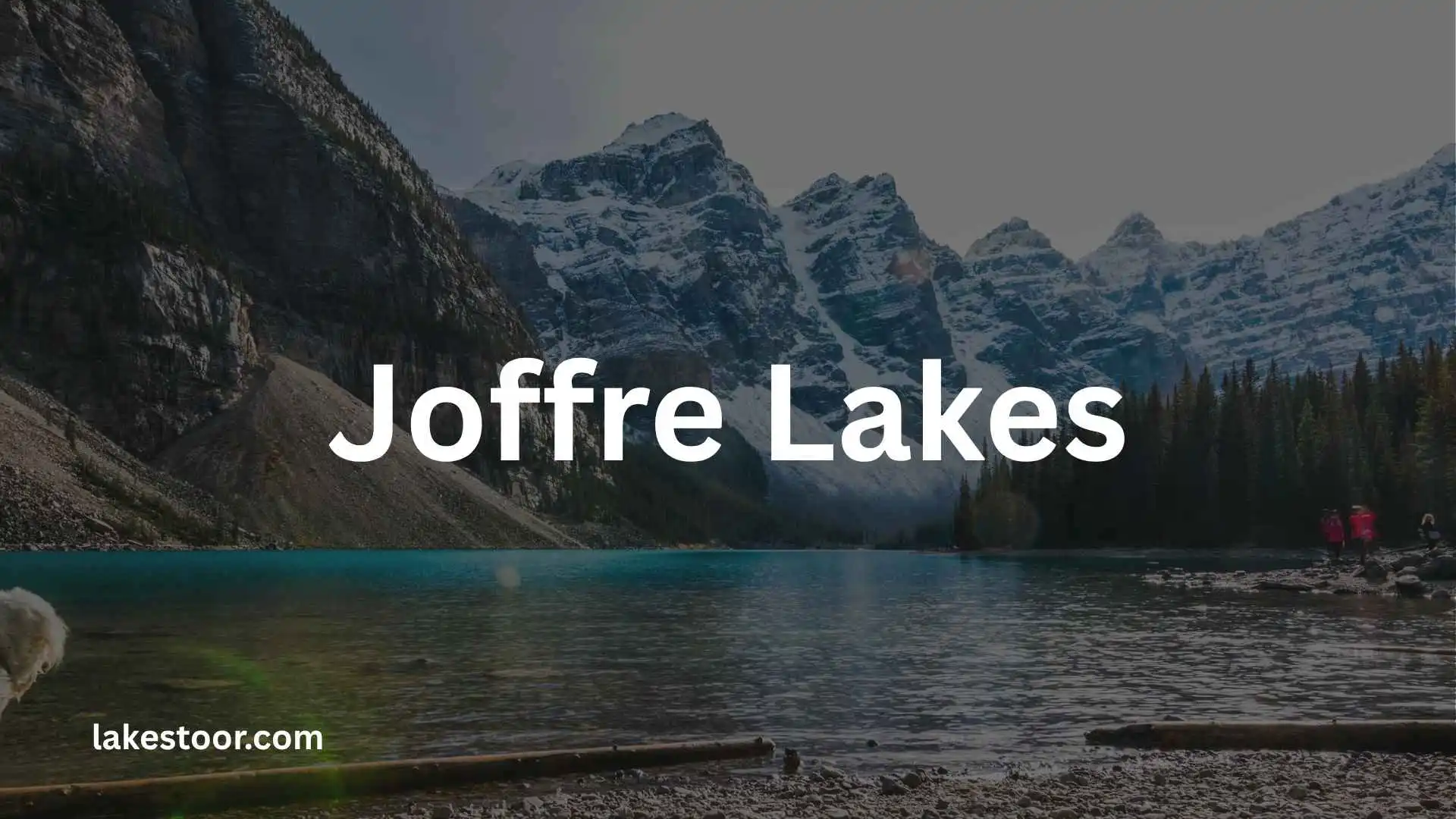
Joffre Lakes is one of British Columbia’s most famous alpine hiking destinations, known for its striking turquoise lakes, rugged mountain scenery, glacial landscapes, and the three-lake hiking route that leads from the parking area to Upper Joffre Lake.
The park is officially called Pipi7íyekw/Joffre Lakes Park and sits east of Pemberton on Duffey Lake Road. The trail passes Lower Joffre Lake, Middle Joffre Lake, and Upper Joffre Lake, with approximately 400 metres of elevation gain from the parking lot to Upper Joffre Lake.
For first-time visitors, however, the most important part of planning is not simply knowing that the lakes are beautiful. Joffre Lakes has a highly managed visitor system, seasonal day-use passes, overnight camping reservations, temporary closures, limited services, no cell service, no drinking water, and potentially serious winter and spring hazards.
This guide covers everything you need to know before visiting Joffre Lakes in 2026, including the trail, difficulty, parking, passes, camping, facilities, safety, best time to visit, photography, family travel, and practical planning tips.
Joffre Lakes at a Glance
| Detail | Information |
| Official name | Pipi7íyekw/Joffre Lakes Park |
| Location | East of Pemberton, British Columbia |
| Road access | Highway 99 / Duffey Lake Road |
| Main attraction | Three turquoise alpine lakes |
| Lakes | Lower, Middle and Upper Joffre Lakes |
| Elevation gain | Approximately 400 m to Upper Joffre Lake |
| Main activity | Hiking |
| Camping | Upper Joffre Lake Campground |
| Day-use pass | Required May 11–October 25, 2026 |
| Day-use pass cost | Free |
| Overnight reservation | Required |
| Cell service | Not available in the park |
| Drinking water | Not available |
| Campfires | Permanently prohibited |
| Dogs and pets | Not allowed |
| Winter access | Possible, but vehicle access may be blocked by snow |
| Swimming | Not recommended because the lakes are very cold |
BC Parks identifies Joffre Lakes as a busy destination year-round and recommends that visitors check current advisories before travelling.
Where Is Joffre Lakes?
Joffre Lakes is located in southwestern British Columbia, east of Pemberton on Highway 99, also known as Duffey Lake Road.
The park entrance is directly off the highway. The trail begins from the designated parking area and continues through forest toward the three alpine lakes.
Its location makes it popular with people travelling through the Sea-to-Sky and Pemberton region, but the remote setting also means you should not expect the same services you would find in a city or developed tourist attraction.
There is no drinking water and no cell service inside the park, so preparation should happen before you arrive.
Joffre Lakes Day Pass
A Joffre Lakes day pass is required for visitors during the 2026 peak-season period from May 11 through October 25. The pass is free and must be obtained online before your visit. BC Parks allows each person to have a trail pass, with a maximum of four passes per transaction. Children aged 12 or younger do not need a pass when accompanied by a parent or guardian who has a valid pass.
Passes become available two days before the planned visit at 7:00 a.m. Pacific Time. Since mobile service can be limited around the park, it is smart to save, screenshot, or print your pass before leaving for the trailhead.
Joffre Lakes Provincial Park Photos
Joffre Lakes Provincial Park photos often highlight the dramatic contrast between turquoise water, dark evergreen forests, rocky mountain slopes, and snow-covered peaks. The three lakes—Lower, Middle, and Upper Joffre Lake—each provide a different perspective of the surrounding landscape.
The famous blue-green appearance is caused by fine glacial sediment, often called rock flour, suspended in the water. This gives the lakes their distinctive colour, especially when sunlight reaches the surface.
For the most memorable photographs, hikers often capture the lakes from the official trail viewpoints rather than leaving designated paths.
Joffre Lake Weather
Joffre Lake weather can change quickly because the park is in a mountainous environment. Even when conditions look comfortable near Pemberton, temperatures, wind, rain, snow, and trail conditions can be different at higher elevations.
Before hiking, check the current forecast and BC Parks advisories. The park also warns visitors that winter conditions can be severe and that avalanche hazards may occur during fall, winter, and spring.
A layered clothing system, waterproof outer layer, suitable footwear, food, and enough drinking water are useful preparations for changing mountain weather.
Joffre Lakes Closure 2026
The Joffre Lakes closure 2026 schedule should be checked before every trip because park access can change due to seasonal conditions, maintenance, safety concerns, or scheduled closures.
For the 2026 season, BC Parks states that the park is scheduled to close periodically while the day-use pass program is in effect. Visitors should check the official park advisories for the exact closure information before travelling.
This is especially important for visitors travelling a long distance, because a previously available trail or parking area may not be accessible on the day of their planned visit.
Joffre Lakes Lower Lake
Joffre Lakes Lower Lake is the easiest of the three lakes to reach. The viewpoint is only about a five-minute walk from the parking lot, making it a practical option for visitors who want to see part of the famous Joffre Lakes scenery without completing the entire hike.
The Lower Lake provides an excellent introduction to the area, with turquoise water surrounded by forest and mountain scenery. Visitors continuing toward Middle and Upper Joffre Lake should be prepared for a considerably steeper and more challenging trail.
Joffre Lakes Reservation
A Joffre Lakes reservation can mean either a day-use trail pass or an overnight camping reservation. Day visitors during the required season need a day-use pass, while campers staying at Upper Joffre Lake Campground need an overnight camping reservation.
A camping reservation does not require a separate day-use pass. Visitors with a valid overnight reservation should carry their reservation details with them while visiting the park.
Planning ahead is important because Joffre Lakes is one of BC Parks’ busiest destinations.
Joffre Lakes Provincial Park Tickets
People searching for Joffre Lakes Provincial Park tickets are generally looking for the required day-use pass. The official pass is free rather than a traditional paid entrance ticket.
During the 2026 required period, passes are available online two days before the visit beginning at 7:00 a.m. Pacific Time. Each person generally needs a pass, subject to the stated child and other exemptions.
Avoid treating unofficial websites or third-party offers as the official source for park access information. Check BC Parks before your trip.
Joffre Lakes Permit
A Joffre Lakes permit may refer to the day-use trail pass required for visiting during the peak season. It is important to distinguish this from an overnight camping reservation.
The day-use pass is designed to manage the number of visitors and reduce pressure on the park’s fragile environment. BC Parks says the daily visitor limit is 500 people.
Saving your pass offline is recommended because cellular service is limited in the park.
Joffre Lakes Canada
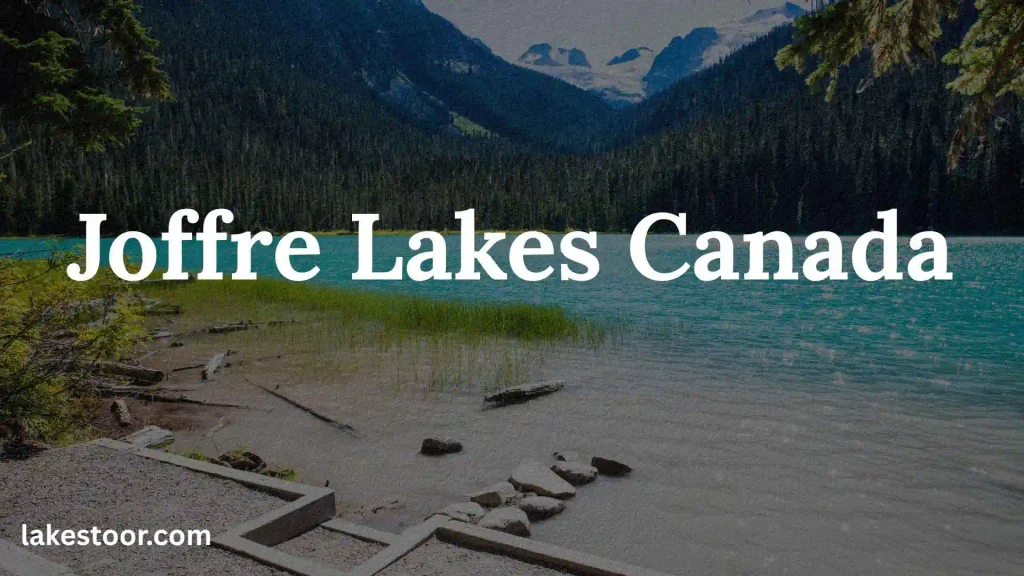
Joffre Lakes Canada is one of British Columbia’s best-known mountain lake destinations. The park is located east of Pemberton along Highway 99 and is known for Lower, Middle, and Upper Joffre Lakes.
Its combination of glacially coloured water, old-growth forest, rugged peaks, and alpine scenery makes it a popular hiking destination. The park also has important cultural significance for Indigenous Peoples, and BC Parks identifies the area as Pipi7íyekw.
Joffre Lakes Trail British Columbia
The Joffre Lakes trail British Columbia route begins near the parking area and continues through forest and increasingly challenging terrain toward the three lakes.
The Lower Lake viewpoint is close to the parking lot. Beyond it, the trail becomes steeper as it climbs toward Middle Lake, followed by a narrower and rougher section leading to Upper Lake. The total elevation gain from the parking lot to Upper Joffre Lake is approximately 400 metres.
Hikers should remain on designated trails and follow posted signs to protect both visitors and the surrounding ecosystem.
Joffre Lakes BC
Joffre Lakes BC is a popular destination for hiking, photography, camping, and mountain scenery. The three connected viewpoints give visitors opportunities to experience different landscapes within a relatively compact park.
Upper Joffre Lake is particularly dramatic because it sits beneath the Matier Glacier and Joffre Peak. BC Parks describes the upper section as more rugged, with potential ice and rockfall hazards around the glacier.
Because the park is remote and has no emergency services or reliable cell service, hikers should prepare before starting the trail.
Joffre Lakes Turquoise Water
The Joffre Lakes turquoise water is one of the main reasons the park appears so frequently in hiking and travel photography. The striking colour is created by rock flour, or fine glacial sediment, suspended in the lake water.
When sunlight interacts with this glacial material, the water can appear intensely blue or turquoise. The exact appearance can vary with weather, sunlight, season, and viewing angle.
This natural colour is one reason visitors should avoid disturbing the shoreline or leaving designated trails while trying to find a photograph.
Joffre Lakes Provincial Park Hotels
There are no hotels inside Joffre Lakes Provincial Park. Visitors who want hotel accommodation generally stay in nearby communities such as Pemberton and travel to the park by road.
For an overnight experience inside the park, camping is available at Upper Joffre Lake Campground during the applicable season, and reservations are required. Camping is restricted to designated tent pads.
If you prefer a hotel, booking accommodation before travelling is sensible, particularly during busy summer and early-fall periods.
Joffre Lakes Parking Lot
The Joffre Lakes parking lot is the starting point for the hiking trail. Parking is limited, and BC Parks requires visitors to use designated parking areas rather than parking along the edges of Highway 99.
Illegal roadside parking can damage vegetation and create safety problems for other road users.
Because Joffre Lakes can become extremely busy, arriving without the required pass or ignoring parking restrictions can quickly turn an otherwise enjoyable hiking day into a frustrating experience.
Pemberton to Joffre Lake
The route from Pemberton to Joffre Lake follows Highway 99 toward the Duffey Lake area. Joffre Lakes Park is located east of Pemberton, with the entrance accessed from Highway 99.
For a road trip from Pemberton, check road conditions, weather, parking information, and current BC Parks advisories before leaving. Mountain travel can be affected by weather and seasonal conditions.
Joffre Lakes Sunrise
Joffre Lakes sunrise can create beautiful photography conditions, with soft early light falling across the mountains and lake surfaces. Early visits can also provide a quieter atmosphere than the busiest parts of the day.
However, hikers should not assume that an early start removes the need for a day-use pass. During the required 2026 period, passes are valid for arrival and departure at any time of day.
If hiking before daylight, bring appropriate lighting and clothing and make sure you are prepared for changing mountain conditions.
Joffre Lake Swimming
Joffre Lake swimming may look tempting because of the lakes’ clear turquoise appearance, but BC Parks does not recommend swimming in Joffre Lakes. The lakes are glacier-fed and very cold, and there are no lifeguards in BC Parks.
The safest way to enjoy the lakes is to appreciate their scenery from designated viewpoints and trails rather than entering the water.
Joffre Lakes October
Visiting Joffre Lakes October can provide a different experience from the peak summer season. Fall brings cooler temperatures, changing vegetation, and potentially more challenging mountain conditions.
In 2026, the day-use pass requirement runs through October 25, so visitors planning an October trip should still obtain the required pass.
Late-season visitors should pay close attention to weather forecasts, trail conditions, daylight hours, and BC Parks advisories before setting out.
Joffre Lake Hiking Time
Joffre Lake hiking time depends on fitness, trail conditions, photography stops, crowds, and how far you plan to go. The Lower Lake viewpoint is only a short walk from the parking lot, while reaching Upper Joffre Lake requires a substantially longer and steeper hike.
The trail gains approximately 400 metres from the parking lot to Upper Joffre Lake and becomes progressively more challenging beyond Lower Lake.
Instead of planning around a strict time alone, allow enough daylight for breaks, changing conditions, and a safe return to the parking area. Keep in mind that the upper trail can be rougher and more demanding than the first section.
Why Is Joffre Lakes So Famous?
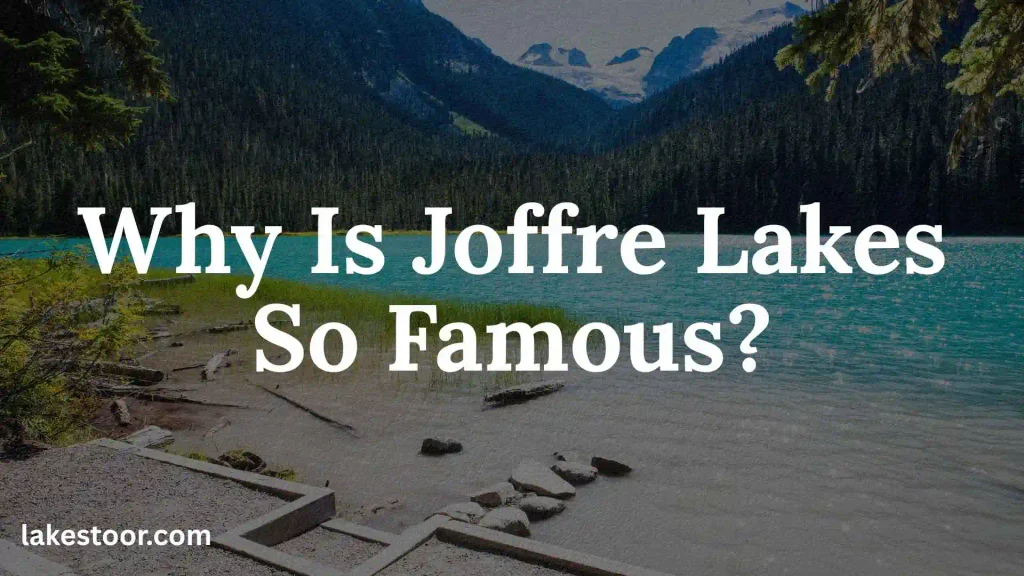
The main attraction is the unusual blue and turquoise colour of the lakes.
The colour comes largely from extremely fine glacial sediment, often called rock flour or glacial silt, suspended in the water. These particles affect how sunlight is scattered and reflected, creating the saturated blue appearance associated with Joffre Lakes.
The scenery becomes increasingly dramatic as you move higher along the trail.
You can experience:
- Forested mountain terrain
- Lower Joffre Lake
- Middle Joffre Lake
- Upper Joffre Lake
- Jagged peaks
- Glacial scenery
- Cold rushing streams
- Views toward Matier Glacier
This combination of relatively accessible trail infrastructure and dramatic alpine scenery is a major reason Joffre Lakes has become one of BC’s most popular hiking destinations.
The Three Joffre Lakes
The trail connects three lakes, and each one offers something different.
Lower Joffre Lake
Lower Joffre Lake is the first lake you encounter after leaving the parking area.
It provides an immediate introduction to the landscape, with blue-green water surrounded by forest and mountains.
If you are short on time or travelling with someone who cannot comfortably complete the full hike, Lower Lake gives you an opportunity to see the scenery without committing to the entire route.
However, visitors who want the complete Joffre Lakes experience should continue toward the Middle and Upper Lakes.
Middle Joffre Lake
Middle Joffre Lake is one of the most recognizable viewpoints in the park.
The turquoise water, surrounding mountains, and glacial backdrop create the classic Joffre Lakes photograph that appears in travel guides and social media.
This area can become particularly crowded during peak periods, so do not expect the famous viewpoints to be quiet on a busy summer weekend.
If photography is important to you, an early start is usually a better strategy than arriving during the middle of the day.
Upper Joffre Lake
Upper Joffre Lake is the highest of the three lakes and is the destination for hikers completing the full route.
The landscape becomes more alpine as you climb, and the surrounding mountains and glacial terrain create an impressive final viewpoint.
BC Parks states that the elevation gain from the parking lot to Upper Joffre Lake is approximately 400 metres.
For many hikers, Upper Lake is the main reward for completing the uphill sections.
How Long Is the Joffre Lakes Hike?
The exact time required depends on your fitness, hiking pace, weather, trail conditions, crowds, and how long you spend taking photographs and breaks.
The most important official figure is the elevation gain: approximately 400 metres from the parking lot to Upper Joffre Lake.
Rather than planning Joffre Lakes as a quick one- or two-hour outing, allow several hours for a comfortable visit.
A useful approach is to divide your day into:
- Arrival and parking
- Hike to Lower Lake
- Continue to Middle Lake
- Continue uphill to Upper Lake
- Spend time enjoying the scenery
- Descend to the parking area
- Allow extra time for unexpected delays
Crowds can slow progress considerably during busy periods.
Joffre Lakes Trail Difficulty
Joffre Lakes is commonly approached as a moderate hike, but the difficulty varies significantly depending on the season and the hiker.
The lower section may feel manageable, while the continued climb toward Upper Lake requires more effort.
You should be prepared for:
- Uphill terrain
- Uneven surfaces
- Roots
- Rocks
- Mud
- Wet conditions
- Snow or ice during colder periods
- Changing mountain weather
The trail should not be judged only from photographs. The turquoise lakes may look peaceful and accessible, but the route involves meaningful elevation gain.
Is Joffre Lakes Suitable for Beginners?
It can be suitable for reasonably active beginners during favourable conditions, provided they prepare properly.
A beginner should:
- Wear appropriate hiking footwear
- Carry enough water
- Check the forecast
- Start early
- Allow plenty of time
- Stay on the marked route
- Avoid pushing beyond their ability
Beginners should be especially cautious during winter and spring because snow and avalanche hazards can substantially change the difficulty.
Also Check This Post: Joffre Lakes Provincial Park: Complete Hiking, Pass, Parking, Camping, and Travel Guide
Joffre Lakes Distance and Elevation
Online hiking sources sometimes report slightly different distances because measurements can vary according to the exact route and turnaround point.
For planning purposes, the more useful official measurement is the approximately 400-metre elevation gain to Upper Joffre Lake.
The route begins at the parking lot and passes all three lakes.
If your goal is to visit all three, plan for a substantial half-day outdoor activity rather than a quick roadside stop.
Joffre Lakes Parking: What You Need to Know
Parking is an important part of the Joffre Lakes experience.
BC Parks specifically states that vehicles must be parked only in designated parking areas. Parking along the edges of Highway 99 is not permitted because it can cause erosion and damage ecosystems.
This means you should not treat roadside parking as a backup plan if the designated lot is full.
The day-use pass system was introduced partly to help manage visitor numbers and ensure adequate, safer parking.
What If Joffre Lakes Parking Is Full?
Do not park illegally along the highway.
If you cannot access the designated parking area under the current visitor-management system, follow instructions from BC Parks staff and posted signage.
This is one reason securing your day-use pass and checking current park information before leaving is so important.
Joffre Lakes Day-Use Pass 2026
For visitors planning a trip in 2026, the day-use pass is one of the most important things to understand.
BC Parks requires day-use trail passes at Pipi7íyekw/Joffre Lakes Park from May 11 through October 25, 2026. The park is also scheduled to close periodically during this period.
The pass is free, but obtaining one is necessary when the day-use system is operating.
Each visitor generally needs a pass, although children aged 12 or younger do not need one when accompanied by a parent or guardian who has a valid pass.
When Can You Reserve the Pass?
For 2026, passes become available online at 7:00 a.m. Pacific Time two days before your planned visit.
This is especially important for weekends and popular summer dates.
Do not wait until the morning of your trip to start thinking about the pass.
How Many Passes Can You Book?
BC Parks currently allows a maximum of four trail passes per transaction per day.
If you are travelling with a larger group, plan accordingly.
What If Passes Are Sold Out?
If passes are unavailable, check the reservation system again later.
Cancelled passes can become available again, so a sold-out result does not necessarily mean that no future availability will appear.
You should also check the official BC Parks website rather than relying on an unofficial third-party source.
Do You Need a Pass for Camping?
No separate day-use pass is required if you have a valid overnight camping reservation.
BC Parks says campers should carry their camping reservation details with them throughout their stay.
Joffre Lakes 2026 Temporary Closures
Visitors should not assume that the park will be open every day during the May-to-October day-use season.
For 2026, Pipi7íyekw/Joffre Lakes is scheduled for temporary recreational closures to provide time and space for the Lil’wat Nation and N’Quatqua to reconnect with the land and practise cultural activities.
Because closure dates and other operational details can change, check the official park advisories immediately before travelling.
This is particularly important if you are arranging flights, accommodation, or a long road trip around your Joffre Lakes visit.
Joffre Lakes Camping
Camping is available at Upper Joffre Lake Campground.
However, this is backcountry camping rather than a conventional drive-in campground.
You must hike your camping equipment to the site.
BC Parks states that reservations are required for all overnight stays at Upper Joffre Lake Campground and that the campground has 26 reservable tent pads.
How Far in Advance Can You Book?
Backcountry reservations can generally be made up to three months before the planned arrival date, with reservations opening at 7:00 a.m. Pacific Time on the first day of the booking window.
For the 2026 season, BC Parks announced that Upper Joffre Lake Campground reservations would use a three-month rolling window, beginning May 12 for arrivals beginning June 15.
Because this is a highly popular campground, booking early is strongly recommended.
What Facilities Are Available?
Joffre Lakes is not a fully serviced tourist attraction.
You should arrive prepared because several basic services are unavailable.
BC Parks confirms that:
- There is no cell service.
- There is no drinking water.
- There are no emergency services.
- There is no garbage or recycling collection.
- Campfires are prohibited.
- Visitors must pack out everything they bring in.
This makes self-sufficiency particularly important.
Is There Drinking Water at Joffre Lakes?
No.
BC Parks states that drinking water is not available in Joffre Lakes Park.
Bring enough water for your planned hike.
If you intend to collect water from lakes or streams, it must be properly treated before drinking or using it. BC Parks recommends boiling, filtering, or otherwise treating natural water sources.
For a day hike, carrying your own water is generally the simplest option.
Are There Toilets at Joffre Lakes?
Facilities are limited compared with developed parks.
Visitors should not expect the type of extensive washroom infrastructure available at urban recreation areas.
Check current BC Parks information and signs at the trailhead for the facilities available during your visit, and do not rely on the park as a place where every convenience will be provided.
Are Campfires Allowed?
No.
Joffre Lakes has a permanent campfire ban.
Campfires are prohibited anywhere in the park at any time of year. BC Parks recommends bringing a portable stove if you need to cook while camping.
This applies even when general fire restrictions elsewhere in British Columbia may be different.
Are Dogs Allowed at Joffre Lakes?
No.
BC Parks states that dogs and other domestic animals are not allowed in Joffre Lakes Park.
Do not assume that bringing a dog on a leash is acceptable simply because many hiking trails in British Columbia allow pets.
The restriction is intended to protect pets, wildlife, sensitive ecosystems, and biodiversity.
Can You Swim in Joffre Lakes?
Swimming is not recommended.
The lakes are glacier-fed and extremely cold, and BC Parks notes that there are no lifeguards in BC Parks.
The turquoise water may look inviting in photographs, but it should be treated as a cold alpine environment rather than a conventional swimming destination.
Best Time to Visit Joffre Lakes
There is no single perfect time for everyone.
The best season depends on whether your priority is easier hiking, fewer crowds, photography, autumn scenery, or winter recreation.
Summer
Summer generally provides the most accessible hiking conditions and is when the lakes are most commonly visited.
The downside is popularity.
Joffre Lakes is busy seven days a week and extremely busy on weekends, according to BC Parks.
You also need to deal with the 2026 day-use pass system.
Early Fall
Early fall can offer a good combination of hiking conditions and changing foliage.
However, mountain weather becomes increasingly unpredictable, so always check current conditions.
Winter
Winter creates a completely different landscape.
Snowshoeing and backcountry skiing are among the winter activities available in the park.
However, winter Joffre Lakes is not simply the summer hike covered in snow.
Snow, ice, avalanche conditions, reduced daylight, and possible road-access problems can dramatically increase risk.
Spring
Spring can be particularly complicated because snow may remain in the mountains while lower elevations begin to warm.
Avalanches can occur for much of the year, and BC Parks specifically recommends considering formal avalanche training for winter or spring visits.
Best Time of Day to Visit Joffre Lakes
If your schedule allows, an early start is usually the best choice.
Early morning can mean:
- Cooler temperatures
- Better opportunities for photography
- More time before afternoon weather changes
- Less congestion than peak daytime periods
However, the day-use pass is valid for arrival and departure at any time of day, so you can plan around your itinerary.
Joffre Lakes Weather
Mountain weather can change quickly.
A sunny forecast around Pemberton does not guarantee identical conditions at the higher lakes.
Before leaving, check:
- Temperature
- Rain forecast
- Wind
- Snow conditions
- Trail conditions
- Avalanche information when applicable
- Road conditions
- BC Parks advisories
Carry a waterproof outer layer even when the forecast looks favourable.
What to Pack for Joffre Lakes
A good packing strategy is to prepare for changing conditions rather than packing only for the weather at the trailhead.
Essential Day-Hike Items
Bring:
- Plenty of drinking water
- High-energy snacks
- Lunch if needed
- Hiking shoes or boots
- Waterproof layer
- Warm insulating layer
- Sun protection
- Hat
- Sunglasses
- Sunscreen
- Insect repellent
- Fully charged phone
- Offline map
- First-aid supplies
- Emergency items
- Your day-use pass
Mosquitoes and black flies can be common, and BC Parks specifically recommends insect repellent.
For Overnight Camping
Add:
- Tent suitable for backcountry conditions
- Sleeping bag
- Sleeping pad
- Portable stove
- Cooking equipment
- Food
- Water treatment
- Headlamp
- Extra clothing
- Emergency shelter
- Bear and wildlife precautions
Remember that every item must be carried along the trail.
Joffre Lakes and Wildlife
Joffre Lakes is a wilderness environment rather than an urban park.
Wildlife encounters are possible, so visitors should practise responsible food storage and wildlife awareness.
Do not approach animals, feed wildlife, or leave food and garbage behind.
Because there is no garbage pickup in the park, everything you bring must leave with you.
Also Check This Post:Plitvice Lakes: Complete Travel Guide, Routes, Tickets, Best Time to Visit & Things to Do
Joffre Lakes Safety Tips
1. Check the Official Park Advisory
Do this immediately before your trip, even if you checked several days earlier.
2. Carry Your Own Water
There is no drinking water available in the park.
3. Do Not Depend on Your Phone
There is no cell service in the park.
Download maps and important information before arrival.
4. Stay on Designated Trails
Shortcutting or leaving designated routes can damage fragile vegetation and increase safety risks.
5. Start With Enough Time
Do not begin the hike late without considering daylight, weather, and your return journey.
6. Take Winter Conditions Seriously
Avalanches can occur for much of the year, and winter or spring travel requires appropriate knowledge, equipment, and preparation.
7. Do Not Swim
The lakes are extremely cold and have no lifeguards.
8. Pack Out Everything
There are no backcountry garbage or recycling facilities.
Joffre Lakes for Families
Families can enjoy Joffre Lakes, but parents should consider the fitness and experience of everyone in the group.
The lower lake is easier to reach than the upper destination, while completing the full route requires more climbing.
With children, pay particular attention to:
- Uneven trail surfaces
- Weather changes
- Cold water
- Steep or slippery areas
- Fatigue
- Hydration
- Daylight
Children should remain closely supervised around the lakes and mountain terrain.
Remember that children aged 12 or younger do not need a day-use pass when accompanied by a parent or guardian who has a valid pass.
Joffre Lakes Photography Tips
Joffre Lakes is an excellent destination for landscape photography, but the most famous viewpoints can become crowded.
Go Early
Early light can produce softer conditions and potentially fewer people.
Photograph More Than One Lake
Do not spend the entire day at the first viewpoint.
Lower, Middle, and Upper Lakes each have different perspectives.
Look for Reflections
Calm water can produce reflections of the surrounding mountains.
Include People for Scale
A small person in a wide landscape can help communicate the size of the mountains and lakes.
Respect Photography Boundaries
Never leave designated trails or damage vegetation simply to obtain a better photograph.
Joffre Lakes Itinerary for a First Visit
A simple first-time itinerary can look like this:
Before the Trip
Check the BC Parks page and advisories.
Confirm your day-use pass or camping reservation.
Check the weather and road conditions.
Download maps.
Pack water, food, clothing, and emergency supplies.
At the Trailhead
Park only in designated areas.
Have your pass or reservation information ready.
Organize your backpack before starting.
During the Hike
Begin at the parking area.
Visit Lower Joffre Lake.
Continue toward Middle Joffre Lake.
Take time to enjoy the scenery.
Continue to Upper Joffre Lake if conditions and fitness allow.
Rest and eat before beginning the descent.
Before Leaving
Pack out every item you brought.
Check that you have not left equipment or rubbish behind.
Return to your vehicle with enough daylight and time to travel safely.
One-Day Joffre Lakes Planning Strategy
If you are travelling specifically for a day hike, the biggest mistake is treating Joffre Lakes as a spontaneous stop.
Instead:
Two days before your visit: obtain your day-use pass when booking opens.
The day before: check weather, road conditions, advisories, and your equipment.
Morning of the hike: start early, carry sufficient water, and keep your pass accessible.
During the hike: maintain a realistic pace and allow enough time for the return journey.
After the hike: pack out all waste and follow current parking instructions.
Joffre Lakes for International Visitors
If you are travelling to British Columbia specifically to see Joffre Lakes, allow flexibility in your itinerary.
Do not schedule a flight or major connection immediately after the hike.
Mountain weather, road conditions, crowds, closures, and hiking delays can all affect your timing.
International visitors should also remember that the day-use reservation system operates according to Pacific Time, not the visitor’s home time zone.
For 2026, day-use passes open at 7:00 a.m. Pacific Time two days before the planned visit.
Joffre Lakes vs. Other Alpine Hikes
Joffre Lakes is a strong choice if you want:
- Multiple lakes in one hike
- Turquoise glacial water
- Mountain views
- A relatively established trail
- A famous British Columbia landscape
- Photography opportunities
It may be less suitable if your main goal is:
- Solitude
- A quiet trail
- No advance planning
- Dog-friendly hiking
- Easy swimming
- A fully serviced campground
The park’s popularity is both its strength and its biggest drawback.
Why Joffre Lakes Can Feel Crowded
The landscape is unusually photogenic and the trail is relatively accessible compared with many remote alpine destinations.
As a result, the park receives very high visitation.
BC Parks describes the park as busy seven days a week and extremely busy on weekends.
The day-use pass system is designed to manage visitor numbers, improve parking conditions, reduce crowding, and reduce environmental impacts.
If you dislike crowds, consider visiting on a weekday when passes are available and conditions are suitable.
Indigenous Cultural Significance
Joffre Lakes is located within the unceded territories of the Lil’wat Nation and N’Quatqua.
The park has significant cultural importance, and BC Parks recognizes the relationship of Indigenous Peoples with these lands.
Recent visitor-management measures have included temporary closures that provide the Lil’wat Nation and N’Quatqua time and space to reconnect with the land and practise cultural activities.
Visitors should respect all closures, signs, cultural practices, and access restrictions.
Leave No Trace at Joffre Lakes
Responsible recreation is particularly important in a heavily visited alpine environment.
Follow these principles:
- Stay on designated trails.
- Pack out all garbage.
- Do not damage plants.
- Do not feed wildlife.
- Keep food secure.
- Do not collect natural objects.
- Do not build fires.
- Respect Indigenous cultural significance.
- Follow temporary closures.
- Leave the landscape as you found it.
Joffre Lakes contains fragile ecosystems and important biodiversity, and BC Parks specifically asks visitors to follow Leave No Trace principles.
Common Mistakes to Avoid
Arriving Without a Day-Use Pass
During the 2026 peak-season period, a pass is required for day visitors.
Assuming There Is Cell Service
There is no cell service in the park.
Forgetting Water
There is no drinking water available.
Parking on Highway 99
Roadside parking is prohibited.
Bringing a Dog
Dogs and other pets are not permitted in the park.
Planning a Campfire
Campfires are permanently prohibited.
Treating Winter as a Normal Hiking Season
Snow and avalanche hazards can create substantially different conditions.
Leaving Garbage Behind
There are no backcountry garbage or recycling facilities.
Frequently Asked Questions About Joffre Lakes
Where is Joffre Lakes?
Joffre Lakes is east of Pemberton, British Columbia, off Highway 99 on Duffey Lake Road.
How many lakes are at Joffre Lakes?
There are three main lakes along the trail: Lower Joffre Lake, Middle Joffre Lake, and Upper Joffre Lake.
How much elevation gain does the hike have?
The elevation gain from the parking lot to Upper Joffre Lake is approximately 400 metres.
Is Joffre Lakes hard to hike?
It is generally considered a moderate hike, but difficulty varies with fitness, weather, trail conditions, and season.
Do I need a pass for Joffre Lakes in 2026?
Yes, day-use trail passes are required from May 11 through October 25, 2026, when the park is open to recreational visitors.
How much does the Joffre Lakes day-use pass cost?
The day-use pass is free.
When can I reserve a Joffre Lakes pass?
For 2026, day-use passes can be reserved starting at 7:00 a.m. Pacific Time two days before your planned visit.
Do children need a Joffre Lakes pass?
Children aged 12 or younger do not need a pass when accompanied by a parent or guardian with a valid pass.
Do campers need a day-use pass?
No. Visitors with a valid overnight camping reservation do not need a separate day-use pass.
Can you camp at Joffre Lakes?
Yes, overnight camping is available at Upper Joffre Lake Campground, but reservations are required and the campground has 26 reservable tent pads.
Can you bring dogs to Joffre Lakes?
No. Dogs and other domestic animals are not allowed in the park.
Is there drinking water at Joffre Lakes?
No. Visitors must bring their own water or properly treat natural water before drinking it.
Is there cell service?
No. BC Parks states that there is no cell service in the park.
Are campfires allowed?
No. There is a permanent campfire ban throughout Joffre Lakes Park.
Can you swim in Joffre Lakes?
Swimming is not recommended because the glacier-fed lakes are extremely cold and there are no lifeguards.
Is Joffre Lakes open in winter?
The park is open year-round, but vehicle access may be blocked by snow and winter conditions can be hazardous.
Is Joffre Lakes worth visiting?
Yes, especially if you want dramatic alpine scenery, turquoise lakes, mountain views, and a well-known British Columbia hiking experience. However, its popularity means you need to plan around passes, crowds, closures, and changing mountain conditions.
Final Joffre Lakes Checklist
Before travelling, make sure you have:
- Checked the official BC Parks page
- Checked current advisories and closures
- Obtained your 2026 day-use pass if required
- Checked the weather
- Checked road conditions
- Downloaded an offline map
- Packed enough drinking water
- Packed food and snacks
- Packed suitable hiking footwear
- Carried rain and warm layers
- Packed sun protection
- Packed insect repellent
- Charged your phone
- Prepared emergency supplies
- Confirmed camping reservations if staying overnight
- Remembered that dogs are not allowed
- Remembered that campfires are prohibited
- Planned to pack out all garbage
Final Thoughts: Is Joffre Lakes Worth the Trip?
Joffre Lakes deserves its reputation as one of British Columbia’s most spectacular accessible alpine destinations.
The three-lake route gives visitors a remarkable progression from forest to alpine scenery, with turquoise glacial water, rugged peaks, and views toward the surrounding glacial landscape.
But the best Joffre Lakes experience comes from preparation.
In 2026, check the day-use pass requirements, temporary closures, weather, road conditions, and park advisories before leaving. Bring your own water, do not rely on cell service, stay on designated trails, respect the no-pet and permanent campfire rules, and be prepared for changing mountain conditions.
For the latest information, use the official and the official
With the right preparation, Joffre Lakes can be much more than a beautiful photograph—it can be a memorable alpine hiking experience that you can enjoy safely and responsibly.
Also Check This Post: Plitvice Lakes National Park: Complete Travel Guide, Routes, Tickets, Best Time & Things to Do

Hello, I’m Oliver Whitmore, and I’ve spent years exploring Britain’s beautiful lakes as well as freshwater landscapes across Europe and beyond. I enjoy researching the history, geography, wildlife, and cultural significance of lakes, then turning that knowledge into practical, easy-to-understand articles.
I believe every lake tells a story, whether it’s shaped by ancient glaciers, surrounded by legends, or home to remarkable wildlife. Through my writing, I hope to help readers discover the beauty and importance of these natural wonders.
Books I’ve Written:
- Britain’s Hidden Lakes
- The Freshwater Explorer’s Handbook
 Charlotte Pembroke